

Cats are elegant, inquisitive, and energetic. They are fond of jumping, scratching, and exploring every part of your home. But it can become an issue all too quickly if your cat begins to climb on the curtains. Some common consequences of this habit are torn fabric, fallen rods, and broken window treatments.
Luckily, you don’t have to cause them pain or lose your temper to prevent this behavior. This article will help you understand why cats climb curtains, why it’s a bad idea to punish them for doing so, and the best ways to curb the habit to no avail.
Why Do Cats Climb Curtains?

You can’t fix the habit if you don’t know what it is. Climbing is not synonymous with a poorly behaved cat! It’s an instinctive way for cats to live and explore. There are a few reasons why your cat is still reaching out for your drapes.
1. It Is in Their Nature
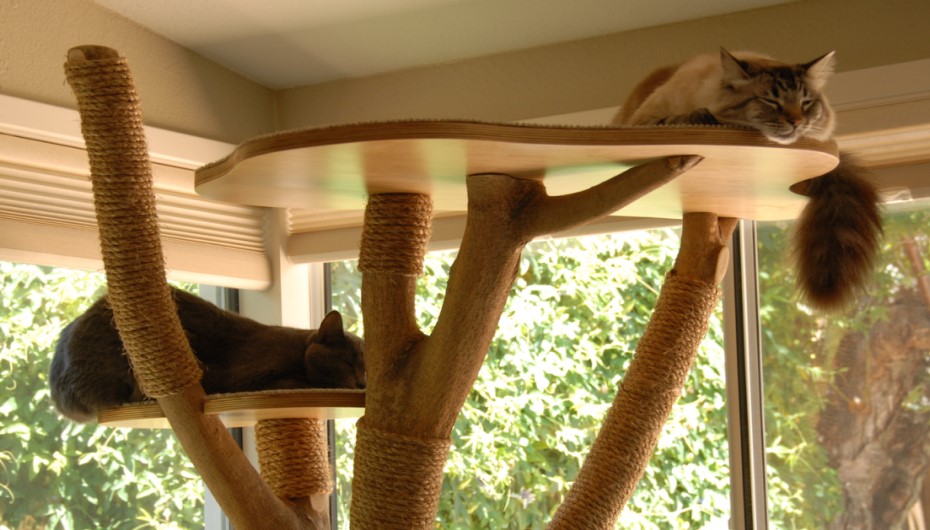
Cats are at their best when they are climbing. They have flexible bodies, sharp claws, and a keen sense of balance, which makes them easily adapt to move about on vertical surfaces. Wild cats use trees to look around, to get away from predators, and to search for their food. This instinct doesn’t go away, regardless of breed or age, even if the cat is an indoor cat.
2. They want a better view

A high spot will provide a cat with a good view of the area surrounding it. Especially long, heavy curtains make easy ladders to a window or to a high shelf. Your cat can observe all kinds of birds, people, and activity from the upper level, and a curious mind is rewarded with that.
3. They Are Bored
If your cat has no play time, no climbing posts, and no toys, he will find ways to entertain himself. Climb Curtain is a game. The fabric is moving, swinging, and reacting to all those paws, and it is very exciting for a young or active cat.
4. Curtains Move Like Prey

Fabrics are light and dance in the wind. To a cat’s eyes, this movement resembles a little animal. The cat then instinctively pounces and snaps up the cloth, as it would a bird or a mouse.
5. Stress or Anxiety

A high-climbing cat could be frightened or stressed and wants to feel safe. Changes in the environment, loud noises, new pets, or visitors at home can cause your cat to find a higher and quieter place. In this instance, the curtain turns into a quick exit.
Also Check: Best Renter Friendly Curtain Rod Methods
6. Less Accessible Curtains for Cat

Another way to stop your cat from climbing the curtains is to make them less accessible. You can use ties, bands, and stripes to make the curtains hard to access. Simply tuck them upwards with anything so that your cat can not reach them.
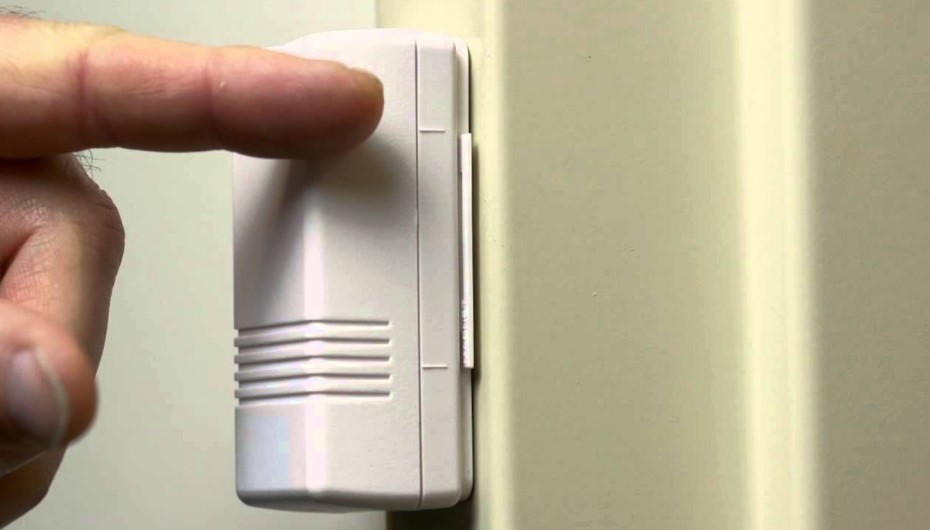
7. Motion Detector Deterrents

A motion detector is an electrical device that utilizes a sensor to detect nearby motion. Motion detector deterrents work the same. They emit a high-pitched sound. Humans can’t hear these sounds but cats can. Its purpose is to send the cat running in the opposite direction of what they are currently doing. There is a big flaw with motion detector deterrents they don’t work with every cat.
8. Tension Rods
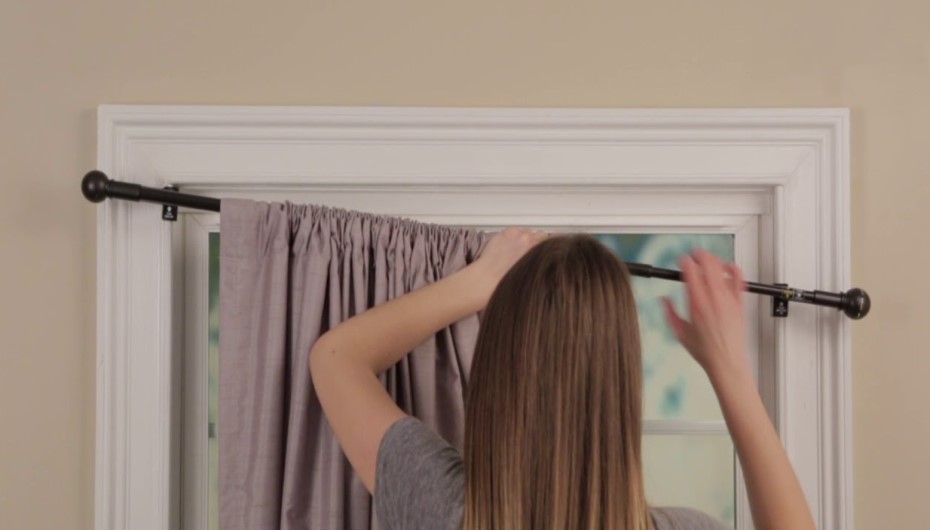
Tension rods are used to hold the curtains until one puts weight on them. When you put the weight, the curtain falls to the ground. In this case, when cats try to climb a curtain, the rod allows the curtain to fall on the ground along with the cat. Your cat will not have enough time to damage your beautiful curtains.
9. Nails Trimming
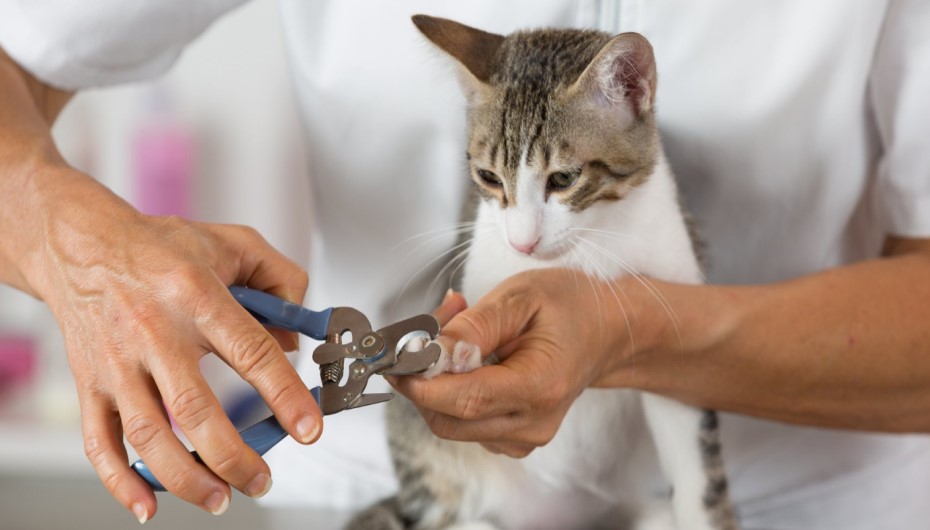
Trimming your kitty’s nails can also be helpful to keep them away from your curtains. Your cat won’t be able to get her claws stuck in the fabric. You should regularly trim their nails to avoid tearing the fabric.
10. Keep Your Cat Busy

If you have nothing in your home to occupy your cat’s attention, it may lead her to start exploring areas of the home. Get some toys or puzzles for your loving cat to redirect her attention away from your beloved curtains. As long as they are busy playing with toys, their attention will not divert to anywhere else.
11. Limit Access to the Curtains

Another step for you is to limit access to certain places to stop kittens from climbing curtains. If you are unable to find something more attentive than the curtains for your cat you can restrict the access to curtains. Completely block your cat’s access to that place or room where your curtains are.
12. Spray Your Curtains with a Deterrent

Spraying your curtains with a deterrent is another choice for you to stop your cat from climbing curtains. A feline-safe deterrent spray is used on the curtains. This spray is used to prevent cats from climbing the curtains due to its scent. These deterrent sprays often contain citrus-like scents. Cats usually don’t like this smell. They are designed to stop cats from scratching or urinating in specific areas. Just like motion detector deterrents and aluminum foil, this method might work on some cats but not on everyone.
13. Immediate Response
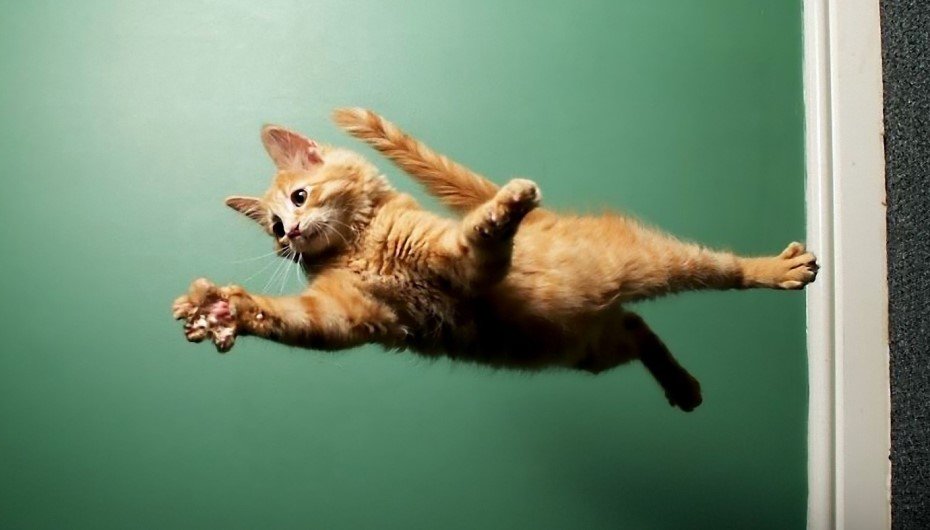
When you see that your cat is preparing to jump on your curtains, take immediate action. Simply guide their climbing energy towards a more fun and approved spot. Just pick them up gently and show them a cool cat tree, comfy hammocks, and different levels for them to explore. With a little practice, they’ll soon realize that the cat tree is way more exciting than any old curtain.
14. Make Your Cat Tired

You can easily redirect their climbing energy to a more suitable spot. 10 minutes of exercise can lead to boredom and frustration. You can also use lasers, balls teaser toys, toy mice, or anything else to get them tired. If you make a daily routine by adding a few play sessions of some minutes it will prove helpful.
15. Open the Curtains

Sometimes opening the curtains can solve some of the issues with cats trying to climb them. Cats often want to look out of windows. Moving the curtains to the side will give your cat a big view.
16. Appreciate Good Behavior

Appreciating your cat’s good behavior is the best reward for your cat’s love. Pets love tier owners even more when the pets are rewarded with their favorite treats. Give them a reward when your cat is playing with their kitty toys instead of climbing the curtains. After some time, you will see that your cat will not go near the curtains by time.
Special Tips for Stopping Kittens from Climbing Curtains
Kittens are energetic and curious! They will cling to almost anything and everything, such as curtains, furniture, and even legs. Many kittens will outgrow certain climbing by a year, but you can accelerate the process by taking the proper approach.
Start training early. Offer ample toys, short play sessions throughout the day, and a small cat tree. Never play with your kitten using the curtains as part of the game. This will help the kittens learn that curtains are toys and will be difficult to undo later.
Additionally, don’t remove the kitten from the curtain and provide a treat. The kitten will interpret this as a reward for climbing. Rather, move the kitten gently to its cat tree and, when it’s there, reward it.
When to Speak to a Vet or Cat Behaviorist
Most curtain climbing is normal and for home repair. But watch out for any sudden changes in your cat’s habits, such as increased climbing, anxiousness, or other unusual behavior, as it could be a health problem. Hyperthyroidism may cause a cat to be too active.
A checkup at the veterinarian will ensure there are no medical issues. However, if the situation is okay, you can consult a qualified cat expert to develop a special training plan. Some types of stress or anxiety can also require calming items, like feline pheromone diffusers, which simulate the calming aroma of mommy cats.
Selecting Cat-Proof Curtains for Your Home
When it comes to purchasing some new curtains, and you have a pet cat, you want the right fabric and style. Check out the following:
- Heavy fabrics such as velvet, twill, or thick cotton, which are harder to grip
- Tightly woven materials that resist claws and scratches
- Shorter lengths that do not reach the floor
- Plain designs without dangling tassels or decorative cords
- Machine-washable options for easy cleaning if accidents happen
Sheer, silk, and linen curtains can be nice, but can also be ripped to shreds by cat claws. Keep them in rooms where your cat cannot get to them.
Conclusion
Cats are funny and always try to explore the things around them. Whereas curtains enhance your room’s beauty due to their design and colors. Cats try to climb the shelves, curtains, and other things. Your cat climbing the curtains can be seriously annoying for you. Please avoid harsh punishments. Only you realize the things, not the animals. Your cat doesn’t realize what they are doing. Is it wrong or right? So always have mercy on them as they don’t speak or understand our language. Harsh punishments will only teach your cat to be afraid of you. It will not change their behavior of climbing whether it’s wall or curtains. Instead of harsh punishments, use above mentioned ways to stop kitten from climbing curtains.
Frequently Asked Questions
Why does my cat suddenly climb the curtains at night?
Answer
Cats are most active at dawn and dusk. May climb to expend energy when the house is quiet. A play session before bedtime may help them to become tired and thus sleep through the night.
Will spraying water at my cat stop the habit?
Answer
No, spraying water will startle your cat at the time and will destroy trust and cause fear. It doesn’t show the cat what it should be doing.
Are some cat breeds more likely to climb curtains?
Answer
Yes. Cats like Bengals, Abyssinians, and Siamese cats enjoy climbing. But every cat, no matter what breed, can climb curtains.
How long does it take to stop the habit?
Answer
Most cats will cease to climb curtains with patience and the proper arrangement in 2–4 weeks. Kittens may be a bit slower since they are still learning.
Can I use blinds instead of curtains for cat-proofing?
Answer
Yes. Cats find vertical blinds and wooden shutters a lot more difficult to climb. Always opt for cordless varieties to ensure your cat’s safety.
Does declawing a cat solve the problem?
Answer
Declawing is a painful surgery that is against the law or discouraged in many countries. Can lead to chronic physical and behavioral issues. Instead, use claw trimming, nail caps, and training.
More Helpful Topics: