

If you have ever come into your living room and found your cat halfway up your curtains, you are not alone. One of the most frequent problems cats have is that they get up on furniture. Tearing fabric, stretching out rods, and cracking walls can be an expensive headache in a hurry. But armed with certain tricks, you can put an end to this behavior without harming your pet, and without being unkind.

Why Do Cats Climb Curtains?
To stop a behavior, it is important to understand the behavior first. Cats climb curtains NOT to be naughty or to annoy you. They climb, their body and mind made for it. Here are the top reasons your cat uses your curtains as a climbing frame.
1. Natural Climbing Instinct

Cats like to climb. They have flexible bodies, powerful back legs, and sharp, curved claws for gripping and pulling themselves up. Cats use trees in the wild to hide from predators, to survey their territory, search for food, and to get away and sleep safely. This built-in instinct remains in the cat even if they are an indoor cat. Long curtains are the next best thing if the home doesn’t have enough vertical space.
Also Check: How to Stop Cat From Climbing Curtains
2. Need for a High Vantage Point

Cats will feel safer and more in control if they can look down on what is around them. A high spot lets him see what’s going on inside the house, including people, other animals, and activity outside the window. Windows are frequently adorned with curtains, making them even more attractive. Your cat will enjoy the view and get up high when climbing the curtain.
3. Boredom and Excess Energy

In-house cats, particularly those who are younger, possess a great deal of energy to burn. If you don’t give them something to play with (climbing structures) or mentally stimulate them (playing daily), they will find something to do on their own. A swinging curtain soon turns into a toy. It is seen in kittens and breeds with high energy levels like Bengals, Abyssinians, and Siamese.
4. Hunting and Prey Drive

Curtains to allow a light breeze movement. That’s how a cat sees the movement as that of a small animal. When the fabric starts to flap, it stimulates the feline predatory instinct, and the cat pounces, grips, and climbs. The curtain is no longer merely decorative; it’s devoured.
6. Stress, Anxiety, or Fear

If your cat suddenly began to climb curtains, this could be a sign of stress. A loud noise, a new pet or baby, or changes in the home can cause a cat to seek a high hiding place. Being up high makes them safe. If the behavior suddenly occurs, it’s time to examine recent changes in the home.
6. Curiosity in Kittens

Kittens explore everything. They are learning to climb to find out more about the world, improve their muscles, and develop their coordination. Most kittens outgrow crawling curtains by 6-9 months old, particularly if they’re trained to choose a different option.
Is Curtain Climbing Harmful?

More than just a decorating problem, curtain climbing involves climbing problems. It can also be hazardous for your cat. If a cat hangs on a heavy curtain rod, it can fall on him or her, resulting in injury. Loose threads can entangle claws, causing your cat to get caught or dangle. Braids on blinds and curtain ties can be a strangulation hazard. For this reason, it is important to confront the behaviour early rather than to ignore it.
How to Stop a Cat from Climbing Curtains: 12 Effective Methods

The best of these methods is a combination of several. The idea is not to scold your cat, but to discourage the feline instinct to mark and encourage it to go elsewhere.
1. Provide a Tall Cat Tree or Climbing Tower
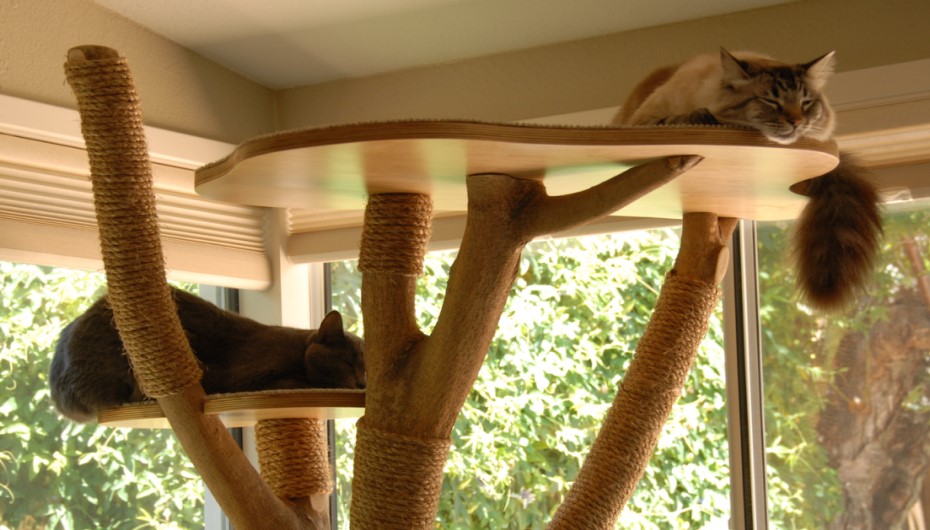
This is the most critical thing to do. Your cat must have a legal roosting place. Pick a cat tree that is about the same height as your curtains, has stable platforms, has sisal wrapped posts, and has a cozy platform at the top. Keep it close to a window where your cat can see the outdoors. A good cat tree will meet the climbing instinct, the need for height, and the desire to look around, all in one place!
2. Install Wall-Mounted Cat Shelves
Wall shelving is a good option if space is an issue. Have a series of shelves at various heights so that your cat can jump from one to another. This makes a vertical highway that goes around the room. Place carpet or sisal pads on each shelf for traction. Many cats like wall shelves more than cat trees since they can climb even higher.
3. Use Double-Sided Tape on the Curtain Edges
Double-sided tape is not welcome on cats’ paws. Use strips along the bottom edges of the curtains where your cat normally begins to climb. Most cats find curtains after a couple of bad experiences, are not worth the effort. The tape isn’t noticeable at a distance and can be taken off after the habit is broken.
4. Place Aluminium Foil at the Bottom
Cats do not like the sound and feel of aluminum foil. Place a piece of foil on the floor under the drapes, or tape a piece to the bottom of the drapes. The crinkly noise frightens the cat and deters the cat from trying again. Foil is low-cost, not harmful, and easy to remove.
5. Spray with Cat-Safe Deterrent
Cats have a keen sense of smell; most don’t like citrus. Purchase a commercial pet-safe deterrent spray or prepare a homemade spray by diluting a few drops of orange or lemon essential oil in a spray bottle of water. Always test a small area of the curtain first to be certain that there is no stain. Every 2 or 3 days, spray the bottom portion of the curtain. Be sure sprays are free of harmful chemicals and do not contain strong oils like tea tree, as these are poisonous to cats.
6. Tie Back the Curtains
One easy solution is simply to hang the curtains up and away when you’re not in the room. Secure curtains with heavy curtain tiebacks or hooks. This will take away the temptation altogether. Ensure the tieback is not a loose end that could end up as a new toy or strangulation hazard.
7. Change to Tension Rods
Under light pressure, a tension rod holds its position, but it drops if additional weight is placed on it. The rod and curtain gently lower themselves back down to the floor if your cat begins to climb. The behavior typically ceases after a couple of tries when the person is surprised. This way, your walls won’t be damaged by the weight of the curtain hardware.
8. Trim Your Cat’s Claws Regularly
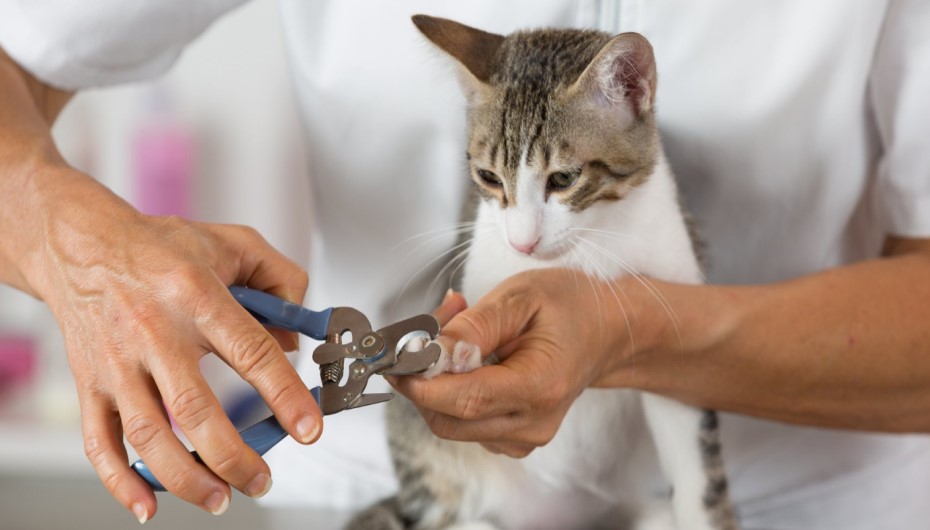
Cats have sharp claws to help them climb fabric. If you cut the ends every 2-3 weeks, this will decrease the hold but not hurt your pet. Trim cat nails with proper cat nail clippers and only clip the clear, curved part of the nail. Your vet or groomer can teach you how to do this safely if you don’t know. Soft nail caps are also available that glue on the claws and help to avoid damage.
9. Increase Daily Playtime
A sleepy cat is a well-behaved cat. Play with your cat for at least 10-15 minutes per day for 2 play sessions. Play with a toy mouse, feather teaser, or wand toy to act out prey. Allow your cat to hunt, pounce, and catch. Conduct a pretend hunt and conclude the session with a small reward or a meal! Climbing your curtains will release energy that will otherwise be used during regular play.
10. Use Puzzle Feeders and Interactive Toys
Mucozone is equally as significant as physical activity. The puzzle feeder can cause your cat to work for his meal, slow down feeding, and stimulate the brain. Change toys on a regular basis to keep your cat from becoming bored. Battery-operated toys, treat balls, and catnip-stuffed mice will entertain an indoor cat when you’re away.
11. Using Positive Reinforcement Training
Cats are good with positive reinforcement. If your cat is using the cat tree rather than the curtain, reward them with praise, a small treat, or a few minutes of playing with them straight after they use the cat tree. Your cat will come to associate the tree with good things and the curtain with bad things over time. When you notice that your cat is about to go up the curtain, gently pick them up and set them on the cat tree, and reward them for doing so. Do not punish, spray, or yell at your cat. Punishment creates fear and harms your relationship, but it will not extinguish behaviors.
12. Restrict Access to the Room
When you are not able to watch, shut the door to the room where the curtains are and close the door. It is a short-term solution, it is not a long-term answer, but it is a way of safeguarding your curtains while you’re training. Other owners also have baby gates or pet barriers to restrict access to specific areas.
Tips for Training for the Long Term
Curtain climbing is a process that takes time to stop. Apply these training principles to establish a habit.
- Be consistent. Each member of the family should have the same rules. Your cat doesn’t understand mixed messages, and progress is sluggish.
- Avoid punishment. Cats don’t correlate punishment with the behavior. They will only learn to fear you, and may become hiding, aggressive, or have other behavior issues.
- Reward the right behavior. Catch your cat doing something good and reward it right away. Treats, praise, and play are all powerful tools.
- Phase out deterrents slowly. Once your cat reliably uses the cat tree instead of the curtains, you can begin removing tape, foil, or sprays one at a time. If the behavior returns, reapply for another week or two.
- Give it time. It will take most cats 2-4 weeks of constant training to break the habit. Kittens might take longer as they have a higher energy level.
Select Cat-Friendly Window Treatments
For those curtains that are already damaged or if you’re decorating a new home, consider window treatments that are climbing-resistant. Light cotton or sheer voile is easier to hold than heavier fabrics, like velvet or thick linen. Roller shades, Roman blinds, plantation shutters, and wooden blinds have very little grip and are almost impenetrable for a cat to climb. Don’t use blinds with looped cords since they are hazardous for pets and small children. Cordless or motorized are safer alternatives.
When to Consult a Veterinarian
The majority of cases of curtain climbing are not a medical condition but are normal behavior. But it’s important to contact your veterinarian if:
- The behavior starts suddenly in an adult cat that has never climbed before.
- Your cat shows other signs of stress, such as hiding, over-grooming, or changes in appetite.
- Climbing is paired with aggression, restlessness, or unusual vocalization.
- You suspect anxiety, pain, or a thyroid problem.
A veterinarian may rule out medical causes and suggest calming products like pheromone diffusers, supplements, or behavior therapy.
Conclusion
Curtain climbing may be a hassle, but it’s easily correctable. Your cat is not being bad; he or she is doing what is natural and has been done since the beginning of time. There’s a solution to that instinct, don’t punish it! Give a tall cat tree, install wall shelves, spend more time playing, and use gentle repellents as your cat adjusts to the new guidelines. Your curtains will remain intact, and your cat will be happier and better stimulated with patience and consistency. The actual key to living in harmony with a pet cat is a well-enriched home.
Frequently Asked Questions
At what age do kittens stop climbing curtains?
Answer
Most kittens settle by the time they are 6-9 months old, particularly with the proper training and provision of climbing options. Some cats may naturally outgrow it, and some may persist into adulthood until they are addressed with training.
Will spaying or neutering help?
Answer
Some cats become less restless and hyperactive when they are spayed or neutered, and this can also bring about an end to curtain climbing. It won’t, however, take out the natural climbing instinct. Alternatives will still be required.
Are deterrent sprays safe for cats?
Answer
Most commercial pet-safe sprays are OK to use if they are used according to instructions. Tea tree, eucalyptus, or pine oil sprays should be avoided because they can be harmful to cats. Always do a patch test on some fabric.
Do soft nail caps stop curtain climbing?
Answer
Soft nail caps cover the sharp tips of the claws, thereby minimizing damage. They don’t completely prevent climbing, but they make it more difficult for the cat to cling to the fabric. Caps should be fitted carefully and changed every 4-6 weeks.
Should I declaw my cat to protect my curtains?
Answer
No, because declawing is a painful surgery that involves removing part of the bone in each toe. Many countries have banned or only allow it, and it can lead to chronic pain, anxiety, and litter box issues. Use trimming, nail caps, and training instead.