A beautiful backyard does not require a large budget, professional help, or years of gardening experience. With the right plan and a few simple ideas, any outdoor space can be turned into a relaxing, attractive area that adds value to your home. Whether you have a small yard, a limited budget, or very little free time, easy backyard landscaping is well within reach.
Why Easy Backyard Landscaping Matters
Having a well-designed backyard is more than just a cosmetic enhancement of your home. It provides a relaxation area for you to unwind, entertain visitors, and spend family time with each other. Several real estate studies have shown that professional landscaping can be one of the best investments a homeowner can make, with home values increasing by up to 15 percent as a result.
Easy landscaping is also time-saving. There are a lot of people who put off projects in the backyard, because they think that the projects are too complicated or costly. The reality is that sometimes the smallest, most intentional changes yield the greatest results. For instance, if you have a worn-out spot in your front yard that is the corner of your lawn, you can change it into perennials and mulch in just a weekend.
Easy landscaping is good for the environment. Native plants, mulch, and water-conserving elements translate to fewer chemicals, watering, and maintenance, great for your calendar and the environment.
Plan Before You Plant: A Quick Checklist
Plan before buying plants or materials. A straightforward plan will save you time, cash, and frustration later.
Measure your space. Using a measuring tape, measure the beds, lawns, and/or paths in your yard and record the dimensions.
Note sun and shade. Determine areas that get full sun, partial sun,n or full shade during the day. This is crucial in determining plant selections.
Check your soil. Different kinds of soil will support different kinds of plants. An inexpensive home soil test kit provides valuable data.
Set a budget. Before you start shopping, determine your budget. This will help you to concentrate on the most effective changes.
Draw a simple sketch. A sketch on paper will suffice. Label trees, beds, paths, and seating areas.
Think about how you will use the space. Do you want a quiet reading corner, a dining area, or a play space for children? The purpose shapes the design.
With a plan in hand, you are ready to explore the following ideas.
20 Easy Backyard Landscaping Ideas to Try
1. Define Garden Borders With Clean Edging
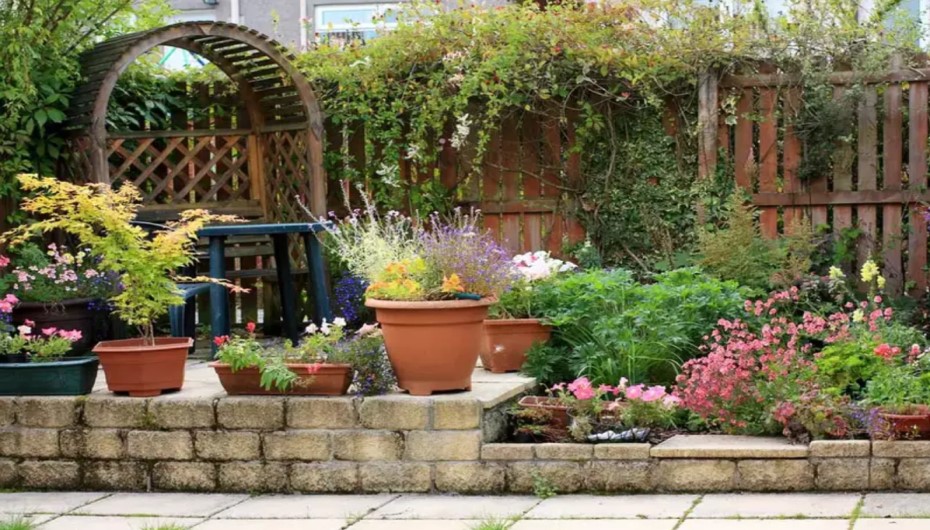
Edging provides a neat, manicured appearance for your lawn. A tidy border between your garden beds and lawn will instantly boost the look of your landscape. Bricks, stones, metal strips,s or pre-made plastic edging can be used. Easy to install: dig a shallow trench along the edges of your bed and press it in place. This little tweak will help you have a definite contrast, and your beds will look more thought-out and organized.
2. Create a Mulched Flower Bed
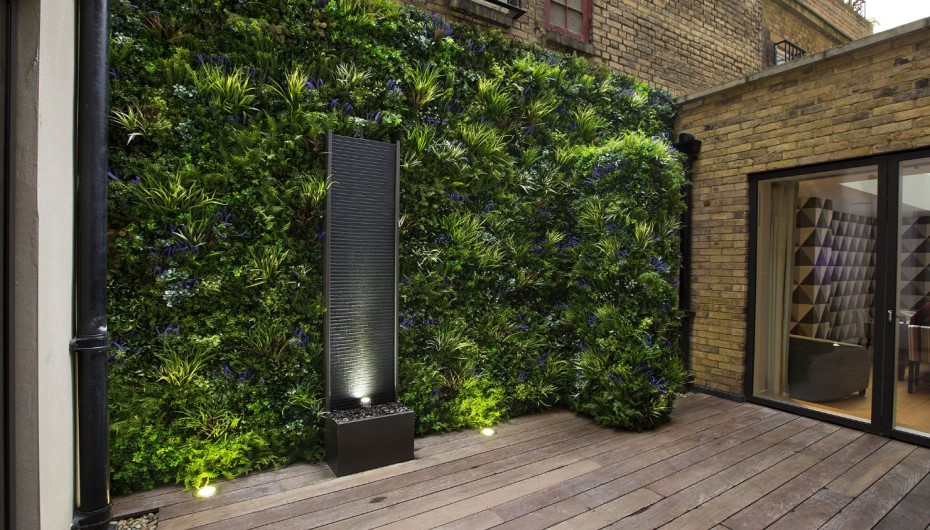
Mulch is an extremely economical and effective landscaping tool. Two to three inches of wood chips or shredded bark will help smother weeds, retain moisture, and create a neat and uniform appearance to your garden beds. To get the most from mulch, apply a new layer each year. Mulch helps to save time in watering and weeding, which is what easy landscaping is all about, other than beauty.
3. Plant Low-Maintenance Perennials
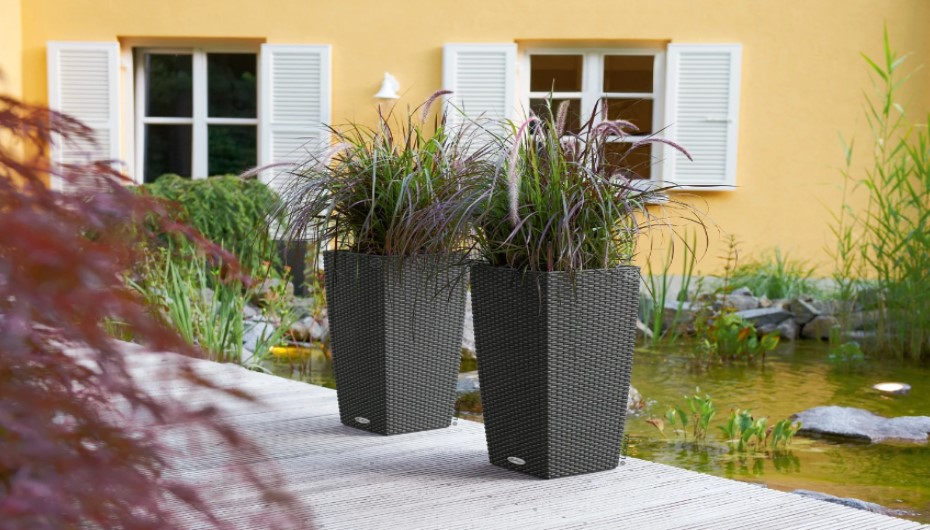
Perennials are plants that come back each year, and you won’t have to replant each season, a big help and a big saving. Lavender, hostas, daylilies, black-eyed Susans, coneflowers, and sedum are among the easiest perennials to grow for the beginning gardener. Plant in groups of 3–5 of identical plants for maximum effect. Most perennials only require occasional watering once established, and a yearly cutting.
4. Add a Gravel Pathway
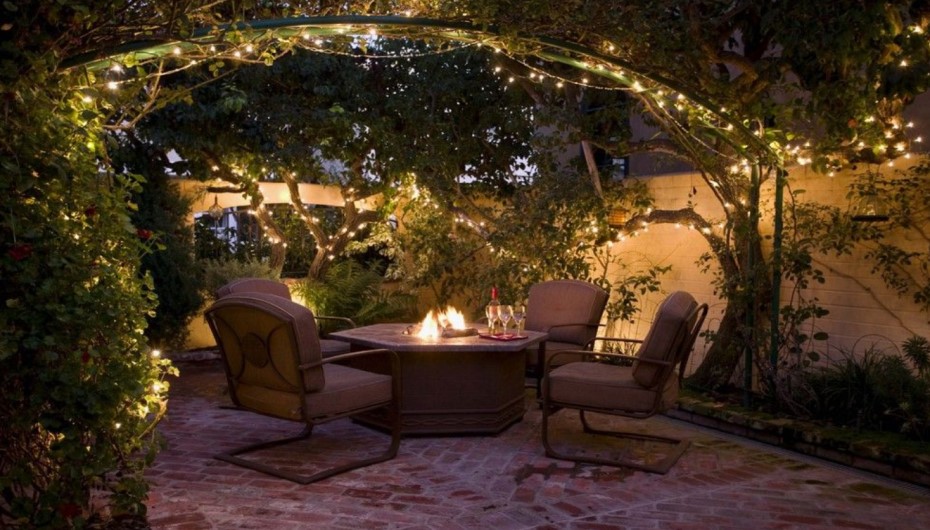
If you’re looking to add structure or charm to your backyard, a simple gravel path is the way to go. To construct one, stake out the area, remove the top three inches of soil, install landscape fabric to keep weeds out of the trench, and fill with pea gravel or crushed stone. The end product is a low-cost, durable, easy-to-install, and walkable sidewalk. Gravel paths are also useful in guiding the walk and helping to prevent sensitive plants from being trampled.
5. Install a Small Patio Area
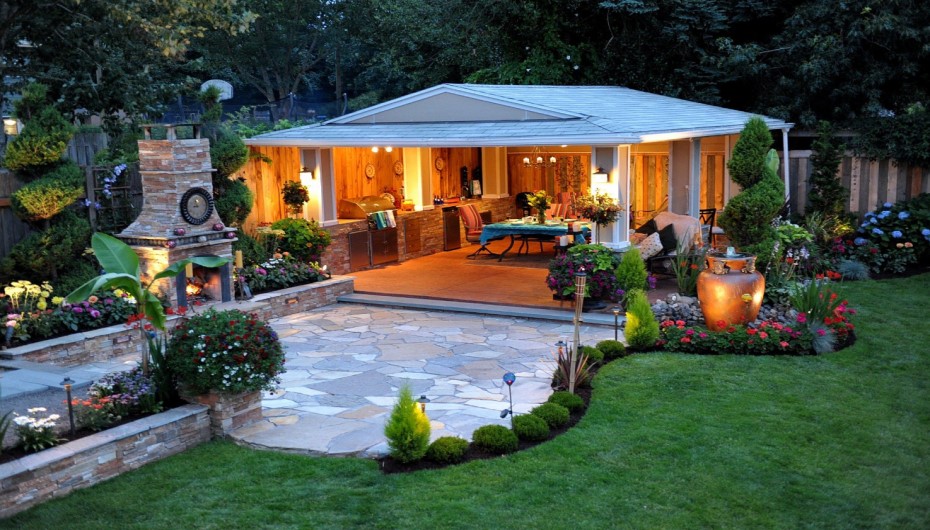
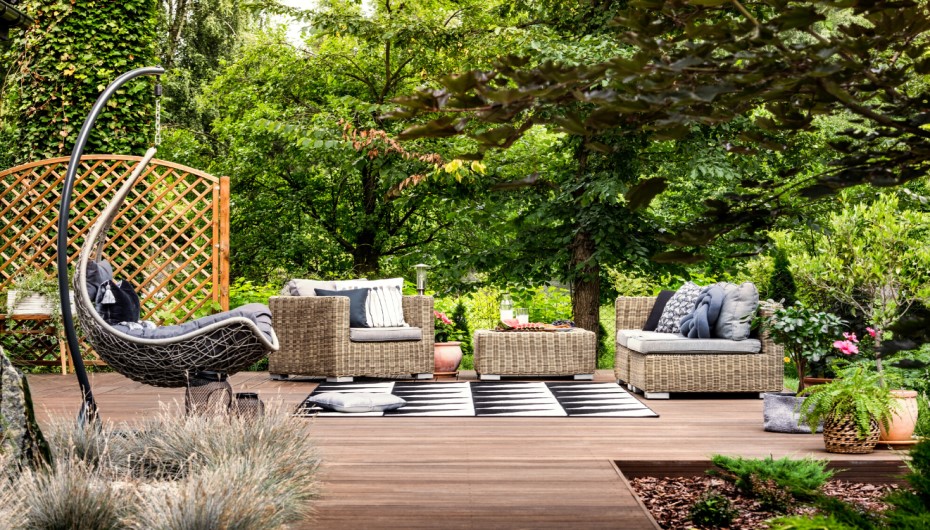
A small patio defines a relaxing or entertaining area. No concrete pouring or a contractor is required. A base of sand and gravel can be covered with concrete pavers, flagstones, or interlocking tiles in just one day. A four-by-six-foot deck can accommodate a bistro table and two chairs to sit for morning coffee or evening dinner.
6. Build a DIY Fire Pit
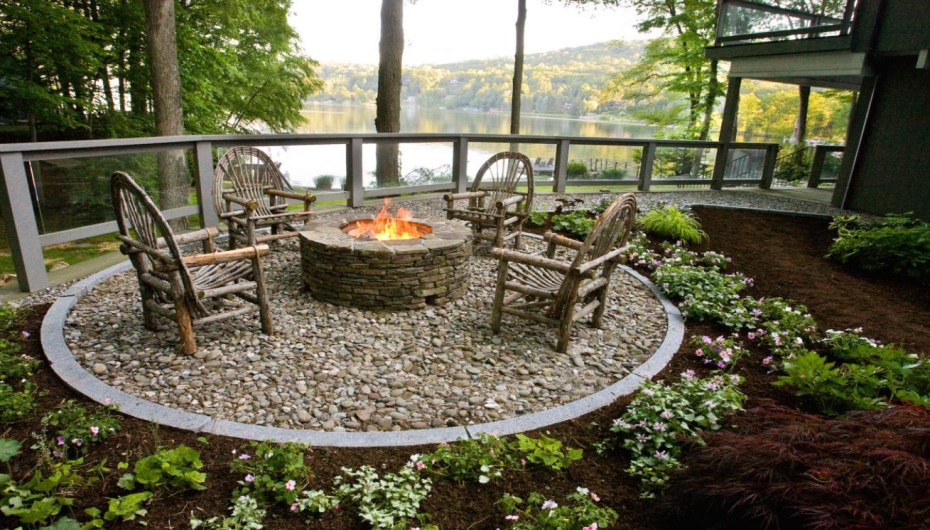
A fire pit in the backyard is a backyard makeover in one instant. Fire pit kits can be purchased at most home improvement centers, or a fire pit can be constructed from stones. To use the fire pit, make sure it is on a non-flammable surface like gravel or pavers, and away from the house, fences, and overhanging branches. Place some comfortable chairs around it,t and you have an outdoor lounge for every season.
7. Use Container Gardens for Instant Color
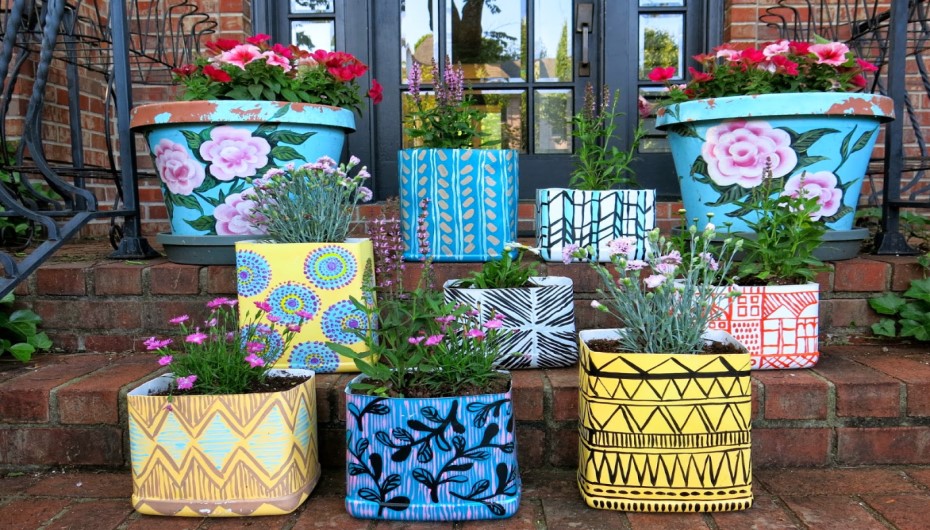
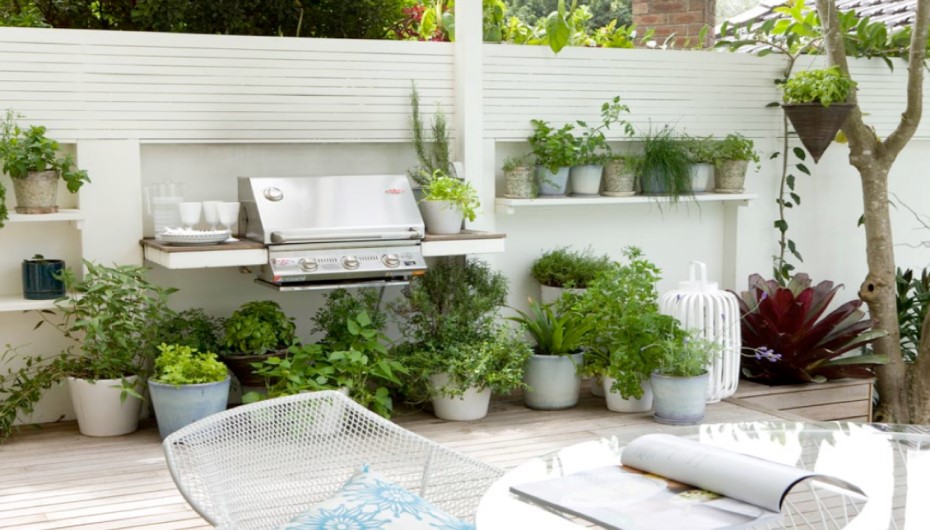
Container gardening is ideal for beginners, renters, and small areas. Seasonal, colorful pots with flowers, herbs, or small shrubs bring color where you need it. Use odd numbers of containers (3 or 5) for a more balanced appearance. Introduce different levels and textures to add interest. Containers are also easily transportable, and you can change your design as you please.
8. Try Vertical Gardening
If space is restricted in the garden, plant vertically. Vertical gardens feature trellises, wall planters, hanging baskets, and even old wooden pallets to make walls of green. They work well with climbing plants like clematis, ivy, jasmine, and even some vegetables like tomatoes or beans. Vertical gardens conserve space, offer privacy, and infuse a new, contemporary vibe to little backyards.
9. Add Outdoor Lighting
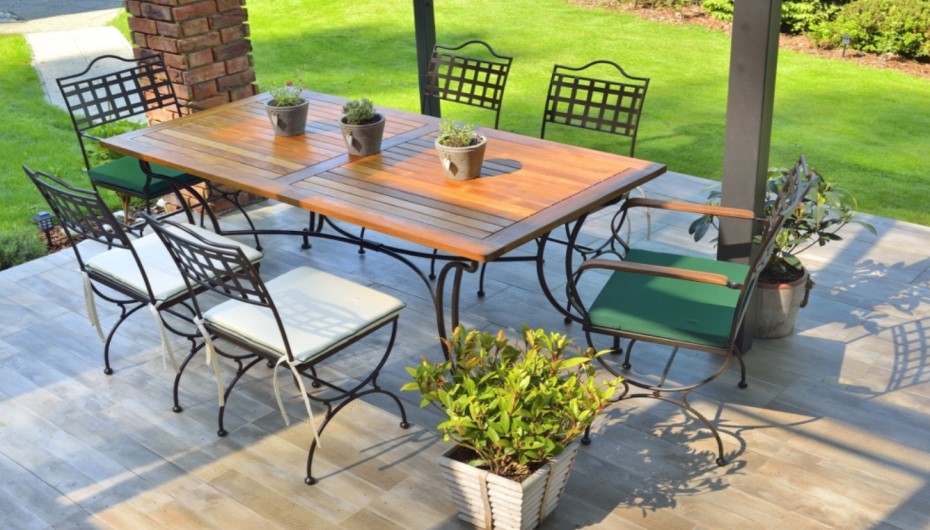
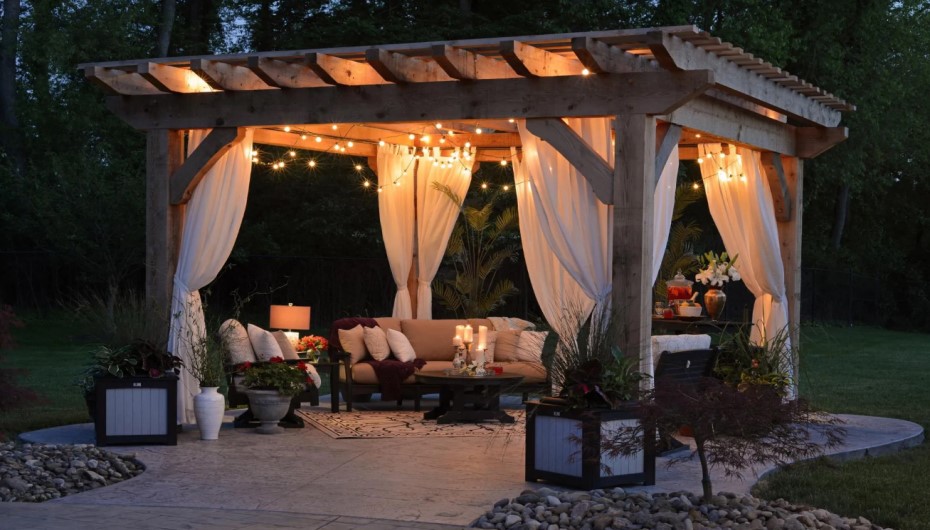
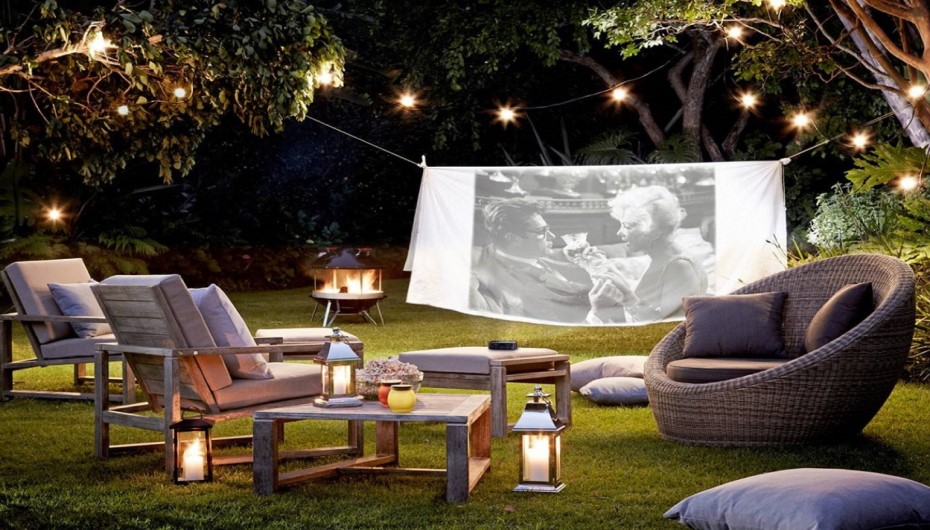
After dark, lighting transforms a backyard’s appearance and ambiance. Easy installation, no electrician required for solar path lights, string lights, lanterns, and spotlights. Install string lights to illuminate a patio or pergola and make it cozy. Install spotlights near trees or at focal plants to accentuate the desirable features. Good lighting also increases the safety on stairs and walkways.
10. Create a Rock Garden
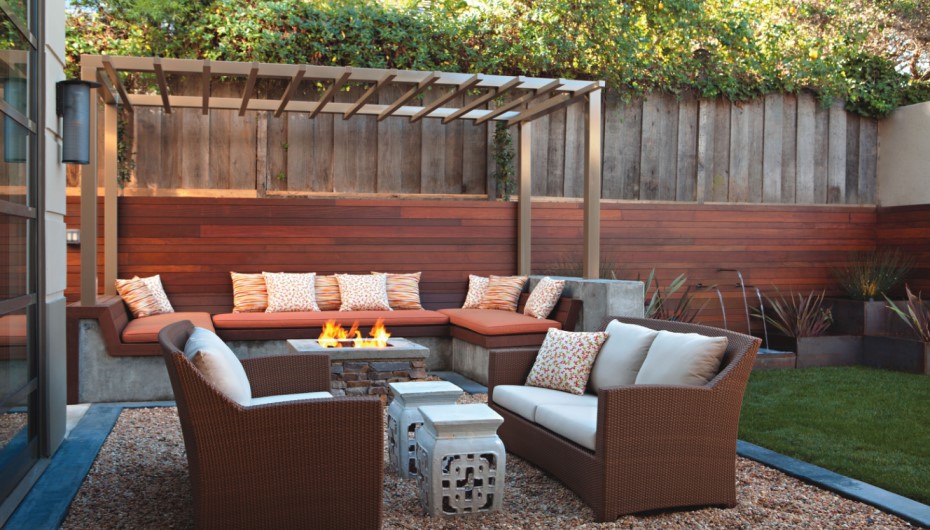
A rock garden is among the simplest landscaping concepts that you can find. Combine rocks of varying sizes, boulders, river rocks, and small rocks with drought-tolerant plants such as succulents, ornamental grasses, and creeping thyme. Rock gardens are particularly suited to dry zones, slopes, or areas where grass does not grow well. They require minimal watering, weeding, and maintenance once they are in.
11. Plant Native Species for Easy Care
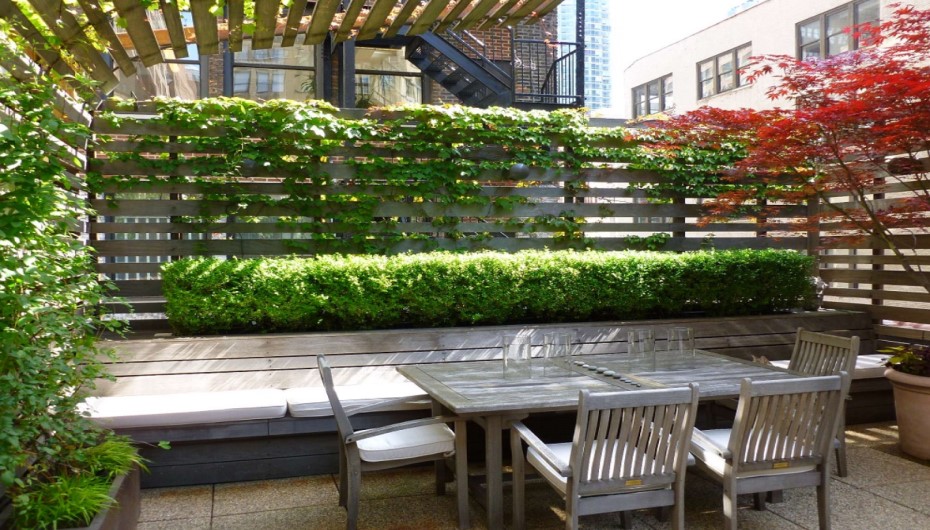
Native plants are plants that are native to your area. They are familiar with the local climate and soil and require less water, fertiliser, and attention than non-native plants. They also provide habitat for local pollinators like bees and butterflies. To find suitable plants, check with your local nursery or extension office. Native plants are a great, low-maintenance option for any landscape.
12. Add a Simple Water Feature
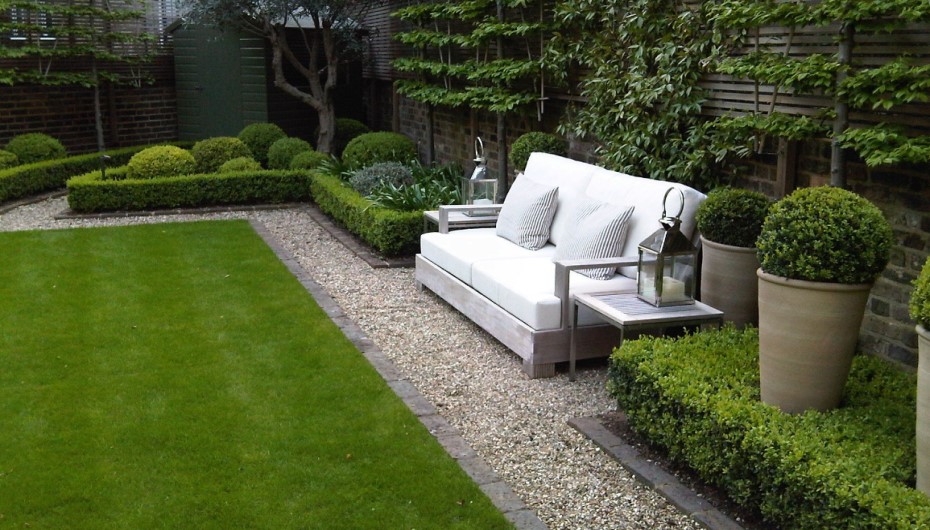
Running water can lend a serene ambiance to any backyard. This benefit doesn’t require a large pond. A small bubbling fountain, a tabletop fountain, or even a fountain pot that recirculates water will add a calming element. There are many self-contained kits; they simply need a power outlet. Water also provides bird-attracting elements that can enhance the yard’s life.
13. Install a Pergola or Shade Sail
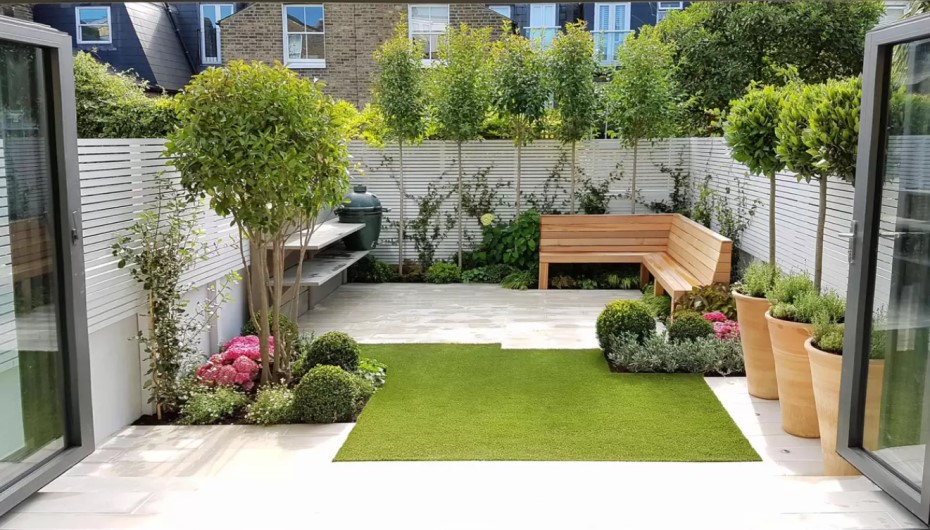
A pergola or shade sail provides some vertical interest, sets off a seating area, and gives some relief from the heat of the day. Pre-built pergola kits can be assembled over a weekend and can be adorned with hanging lights, plants, or vines. A shade sail is even easier and only takes a few anchor points to install. Either choice will improve the outdoor enjoyment on a sweltering day and enhance the style of a backyard.
14. Plant a Privacy Hedge
For the backyard that may seem like it’s crying out for privacy, a hedge or even a large shrub will provide a natural barrier. Arborvitae, boxwood, holly, or Italian cypress are evergreen trees and shrubs that give all-year-round cover. Plant them in a double row, or staggered row, around the property line. Hedges become more desirable annually and are a good and environmentally-friendly substitute for fences.
15. Replace Lawn With Ground Cover
Traditional grass needs frequent cutting, watering, and fertilizing. Mowing some or all of the lawn over with low-growing ground cover plants will make for a significant decrease in maintenance. Creeping thyme, clover, sedum, and creeping Jenny are popular choices. These plants remain green, keep weeds down, and often flower. Ground covers also tolerate some amount of light traffic, so they can be used for informal pathways.
16. Build Raised Garden Beds
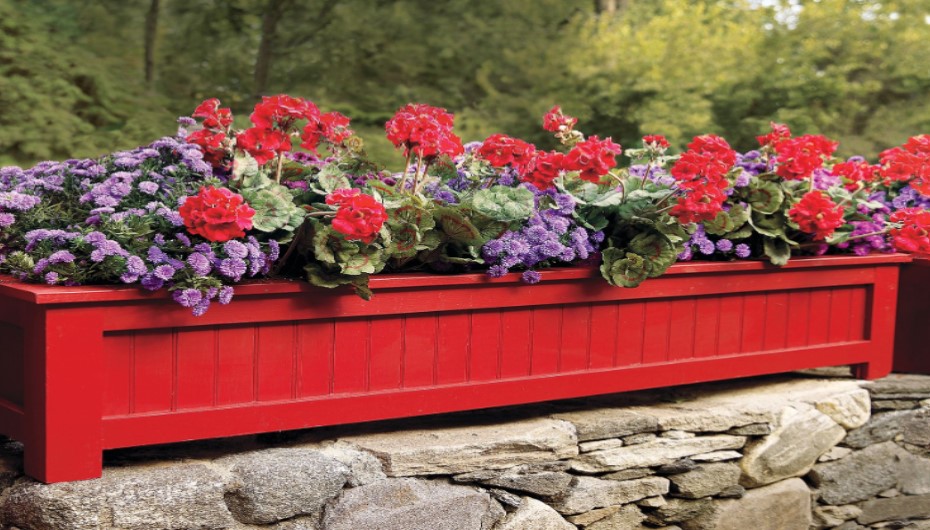
Raised beds are a great way to avoid the back pain associated with bending over to tend to vegetables, herbs, and flowers. They are also known to provide better drainage, weed control, and better soil quality. Construct them from cedar planks, cinder blocks, brick,s or even kits from garden centers. 4 x 8 feet is a good size for a raised bed and produces a reasonable amount of food that can be easily managed.
17. Add an Outdoor Seating Area
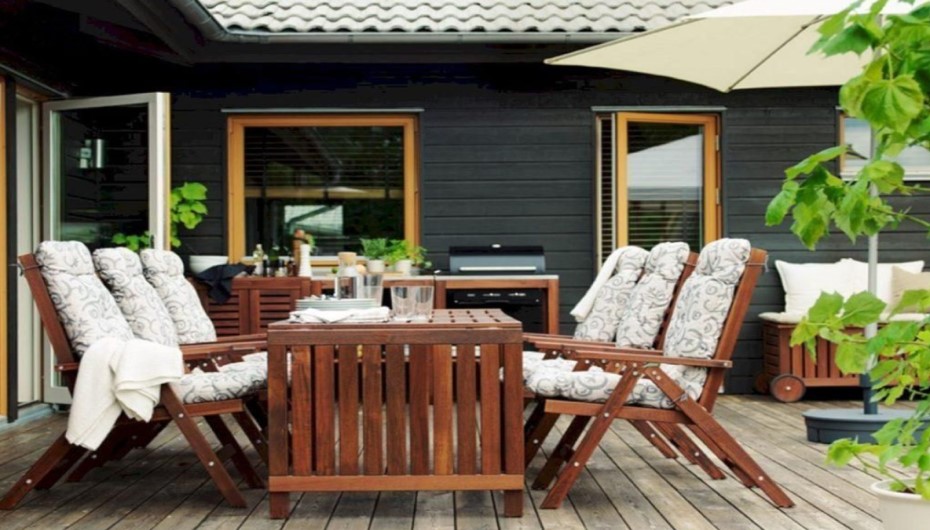
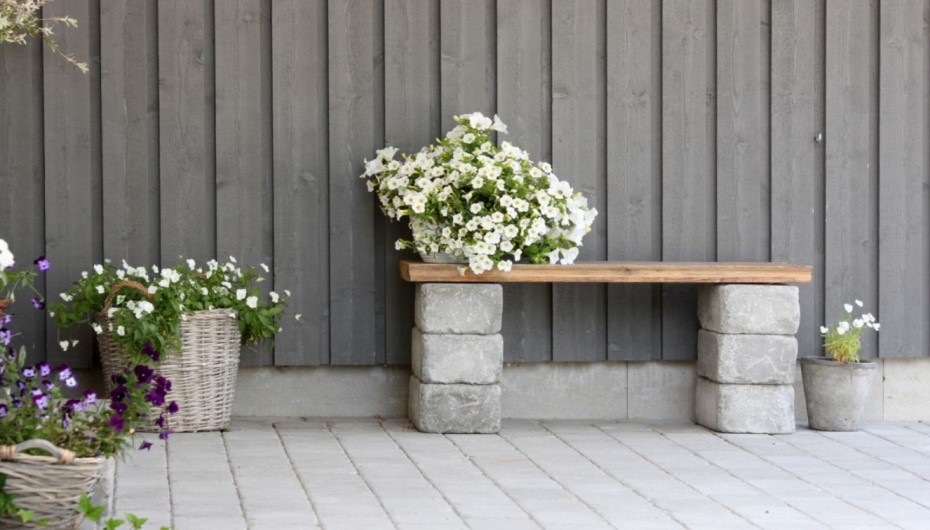
No backyard is complete without a comfortable seating area. A simple bench under a tree, a pair of Adirondack chairs by a fire pit, or a small dining set on a patio provides a yard with purpose. For durability, select materials that can withstand the elements, like teak, cedar, metal, or polywood. Enliven the space with outdoor cushions and a small side table for extra comfort. A clear seating area makes it easier to stay outside longer.
18. Use Stepping Stones to Connect Spaces
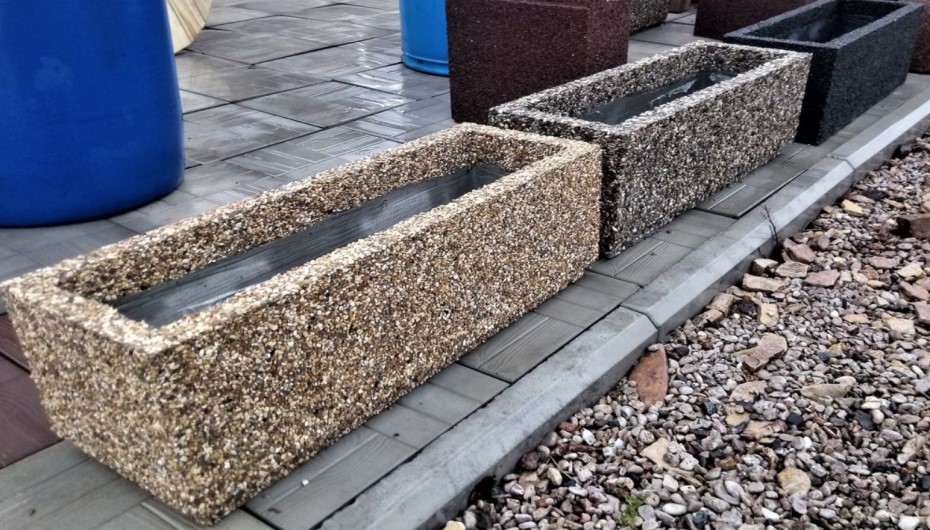
Stepping stones are a simple solution for providing a walking way without the expense of a walkway. Install flat stones, concrete pavers, or natural flagstones in your lawn or garden at a comfortable walking distance. Grass, gravel, or low-growing plants like creeping thyme are all options for filling in the space between each stone. This is an easy concept to set up and creates an attractive, tasteful look for any yard.
19. Create a Dry Stream Bed
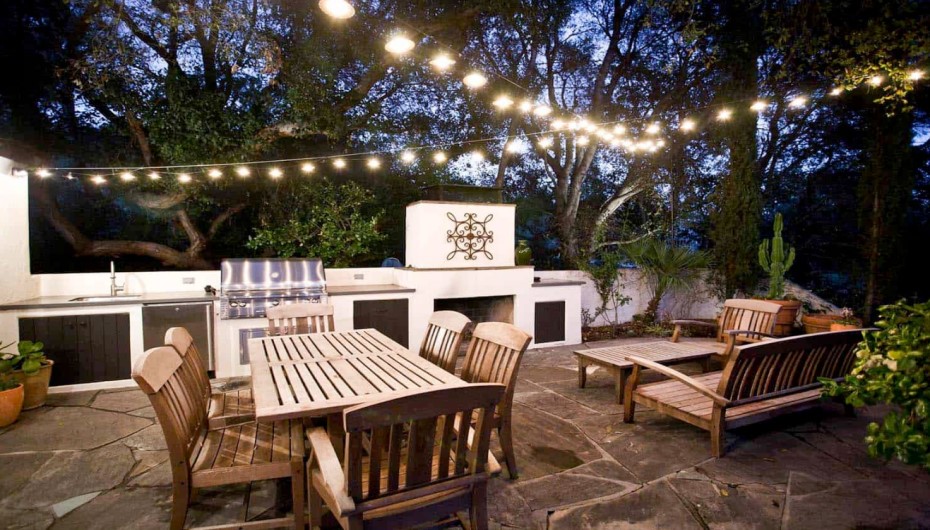
A dry stream bed is a small, dry riverbed that runs through your yard. It’s constructed with a shallow trench and rocks of varying sizes, ranging from small pebbles to larger stones. In addition to being an attractive feature, a dry stream bed will help rainwater flow away from areas of concern and stop any pooling and erosion. It’s a clever, handsome solution for poorly-drained yards.
20. Refresh Existing Beds With Mulch and Edging
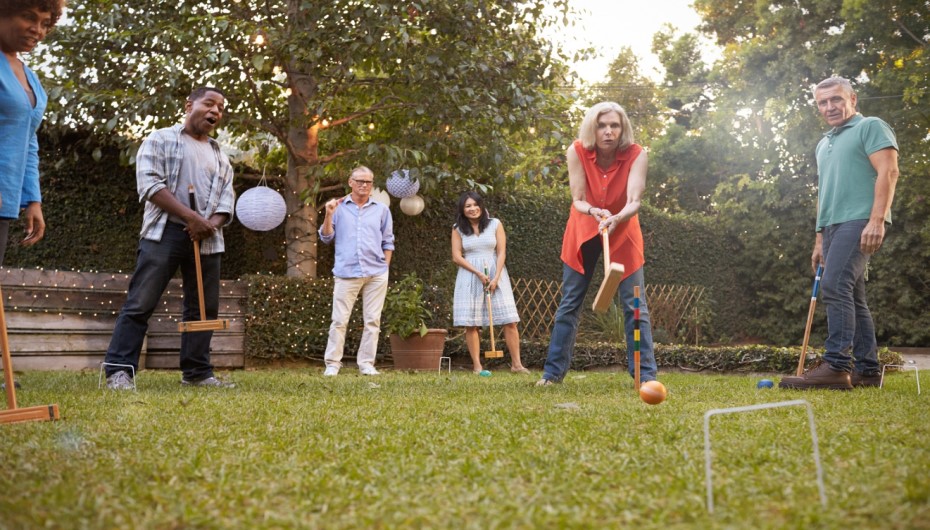
You don’t have to do a complete overhaul of your flower beds; just a refresh can create a dramatic effect. Weed, trim overgrown plants, apply new mulch, and sharpen edges with a sharp spade. This can make your yard seem like a new one in just one afternoon. One of the quickest and easiest backyard landscaping ideas to try.
Pro Tips for Easy Backyard Landscaping
However, there are a few nifty tips that can really make landscaping much easier over time.
Start small. Take one area of your yard at a time. When one area is finished, it gives you confidence and a definite outcome before trying the next area.
Repeat plantings of the same plants. The repeated pattern will result in a cohesive, professional appearance. Plant 3 to 5 of one plant in various locations in the yard instead of purchasing one of each species.
Select plants that can be used in your climate zone. If it’s fighting, it’s a plant that needs to be tended to all the time. Make sure to check USDA hardiness zones or local growing conditions before purchase.
Group plants by water needs. Group susceptible plants together and drought-tolerant plants together. This will substantially improve the effectiveness of watering.
Use perennials for the foundation, annuals for color. Perennials will give you structure year after year; annuals will allow you to change colors with each season.
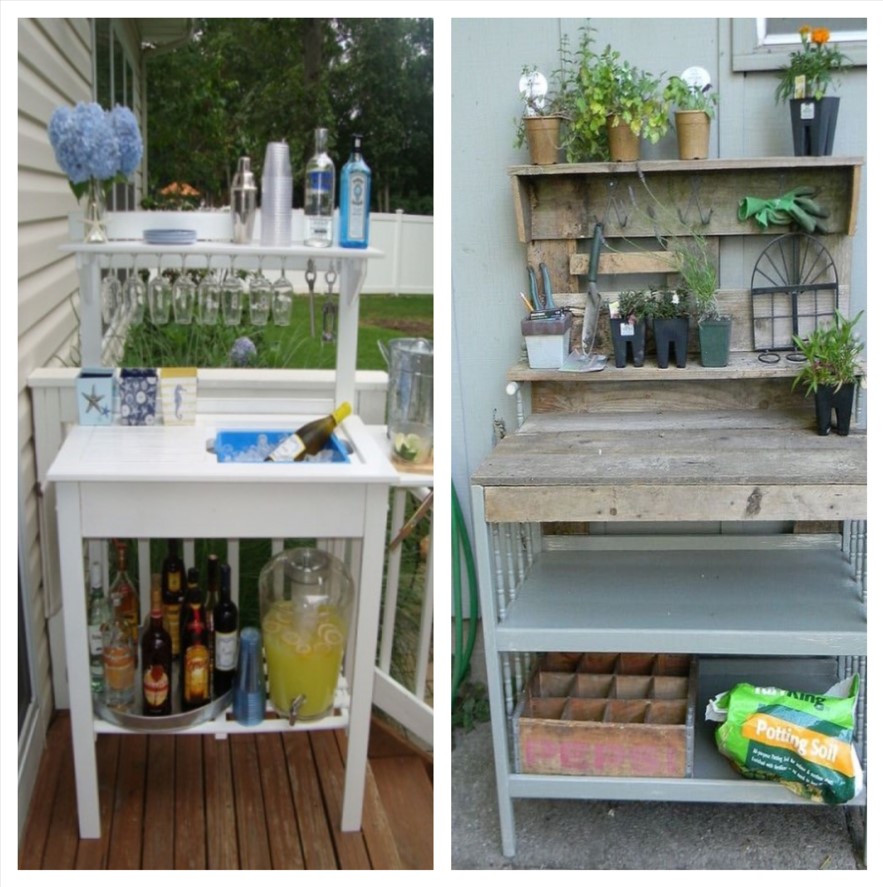
Keep tools nearby. Owning a small shed, storage box, or wall-mounted rack will make maintenance much easier.
Maintain regularly in short sessions. Weeding and pruning 15 minutes per week is much more achievable than pruning and weeding for hours each month.
Common mistakes to avoid
Even simple landscaping projects can fail when basic mistakes are made. Watch out for these common issues.
Planting too close together. Young plants look small, but they grow. Leave enough space for each plant to reach its mature size without crowding.
Ignoring sunlight requirements. A shade-loving plant placed in full sun, or vice versa, will struggle no matter how much care it receives.
Overwatering. More plants die from too much water than from too little. Always check the soil before watering and avoid daily watering unless conditions require it.
Skipping mulch. Without mulch, weeds grow faster, soil dries quickly, and beds look unfinished. Mulch is one of the smallest investments with the biggest impact.
Choosing high-maintenance plants. Some plants demand constant pruning, deadheading, or feeding. Read plant labels carefully and choose easy-care varieties when possible.
Forgetting future growth. A small shrub today may become a six-foot bush in three years. Always plan for the mature size of every plant you install.
Conclusion
Easy Backyard landscaping is not a fast-track approach. It’s about making smart and simple choices that will enhance your outdoor space one step at a time. You can change any backyard into one you really enjoy by beginning with a plan, selecting plants that are low maintenance, and emphasizing a few important features like comfortable seating areas, defined paths, and mulched beds.
These 20-yard ideas will work for various yards, budgets, and skill levels. Choose 1 or 2 that work for you, finish them off nicely, and then move on to the next. Backyard can be a haven of beauty, comfort, and value to your home in a single season. So, begin with the smallest project today, and your easy backyard landscaping journey will have started.
Frequently Asked Questions
What is the easiest backyard landscaping idea for beginners?
Answer
It’s easy and cheap to begin with mulch in existing flower beds. It kills weeds, retains moisture, and improves your lawn’s appearance in a few hours of labor.
How much does easy backyard landscaping cost?
Answer
Project dependent, please contact the Land Use Planning Department. Changes like mulching, permanent plantings, or gravel beds can cost less than 200 USD. Projects like patios or pergolas are bigger and generally cost anywhere from 500 USD to 3,000 USD, depending on the size and materials used.
What plants require the least maintenance?
Answer
Lavender, daylilies, hostas, sedum, ornamental grasses, and native plants for your area are among the easiest choices. They are resistant to pests, require little pruning and feeding, and are tolerant of drought.
Can I landscape my backyard without grass?
Answer
Yes. To eliminate grass, many homeowners choose to use mulch, gravel, ground cover plants, patios, decks, or rock gardens. A grass-free yard is less costly to maintain and consumes significantly less water.
How long does an easy landscaping project take?
Answer
Some very easy projects – such as a gravel path, a mulched garden bed, or a container garden can be done in one weekend. For larger installations such as patios or fire pits, it can take 2-3 days.
When is the best time to start a backyard landscaping project?
Answer
Most landscaping work can best be done in early spring and early fall. Mild weather and easier establishment for plants at cooler temperatures.
Do I need a permit for backyard landscaping?
Answer
Permits are not required for most plant-based projects or small DIY projects. But, if it is a big project like a deck, a retaining wall higher than a certain height, or any major changes in drainage, local approval may be needed. Be sure to consult your municipality before undertaking a major project.