
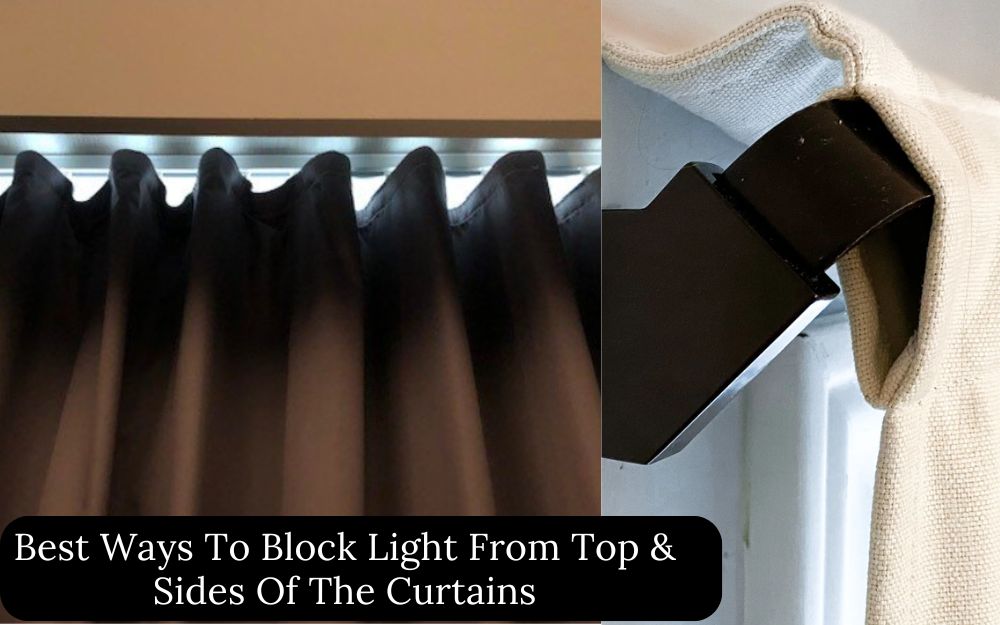
Curtains are so much more than a window decoration. They block the sun, provide privacy, improve sleep and help regulate the temperature inside the room. But there is a common problem that bedevils many homeowners. Despite having an investment in high-quality curtains, daylight is still making its way through. The sun rises through small slits, and the street lights ruin nighttime sleep, and the darkness you want to see a film in doesn’t really happen either.
If you have got this problem, you’re not alone. One of the most frequent homeowner complaints today is light leakage around the curtains. Fortunately, this issue can typically be resolved. Most of the time, it’s not the fabric that’s the problem. It’s minuscule spaces at the top, sides, bottom, or middle of the curtain panels where the fabric does not completely adhere to the wall, ceiling, floor, or another curtain panel.
Why Does Light Leak Through Curtains?
Knowing where the light is coming from is helpful before patching the issue. There are typically one or more reasons for curtain light leakage:
- The curtain rod sits too low, leaving a gap above the curtains.
- The panels are too narrow for the window, exposing strips of glass on either side.
- The rod ends right at the window frame, so the fabric cannot reach the wall.
- The curtain hem floats above the floor, letting light escape from below.
- Two panels meet edge-to-edge in the middle without overlapping.
- The fabric is not truly blackout and lets light pass through it.
- The header style, such as grommets or tab tops, has built-in openings.
First, you need to identify which one of these issues pertains to your room. Look with the curtains drawn during the hours of the brightest light, and you’ll have a good idea of where the light is coming from and what fixes to apply first.
How to Block Light from the Top of Curtains
The most frequent area where light leaks in is the top of the window. Here are the best methods of sealing it.
1. Raise the Curtain Rod
A quick, easy solution is to install the rod above the window frame. Most curtain rods run slightly above the trim so that there is not much room when the curtains hang. Slide the rod somewhere between 4 and 8 inches from the top of the window, or as near to the ceiling as possible. The more the curtains overlap the wall above the glass, the less light can seep through; the higher the curtain size the more they overlap the wall above the glass. This will also give the room a height increase and elegance for free!
2. Select the Right Header Style
Not all curtain tops are created equal. Built in loops or holes in the fabric of the headers (grommet tops, tab tops and tie tops) through which the rod passes. These openings allow direct sunlight to enter, no matter how thick the fabric is.
Pinch pleat, pencil pleat and rod pocket headers offer the best light blocking capabilities. You will have the top line completely covered in these styles, and no light will be able to seep through the lighting.
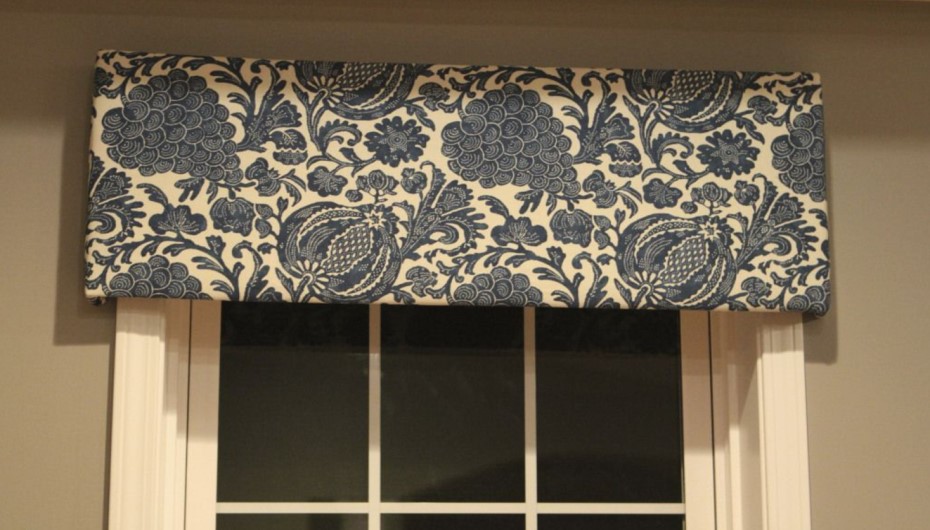
3. Install a Pelmet or Cornice Box
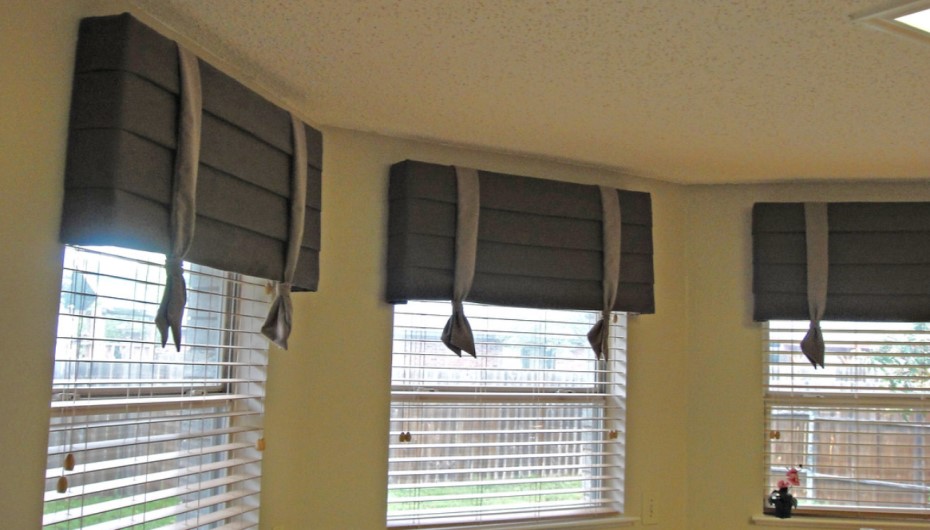
Also called a cornice box, a pelmet is a decorative frame that hangs above the curtain rod. It obscures the hardware and provides a good block of light from above. Pelmets may be constructed from wood, padded fabric or foam board and provide a designer and elegant look in the room.
To fit a Pelmet, just mark the centre of the wall above your curtain rod, drill the mounting brackets and install the pelmet. The outcome is clean, neat and complete, with no light coming in from the top.
4. Add a Valance
A valance is made of soft fabric and is placed over the curtain rod. Valances are not as stiff as a pelmet and are constructed of cloth. These fill in the space between the rod and the wall and provide some interest. It is best to use a thick or black outlined valance that can be matched with your main curtains.
5. Wrap the Curtain Around the Rod
This is an easy fix and is free of charge. Starting at the top edge of the curtain, fold it over the rod again to hang the fabric down in front of the rod. With this simple change, an extra fold is created, which seals the gap above the rod, stopping light from seeping through.
How to Block Light from the Sides of Curtains
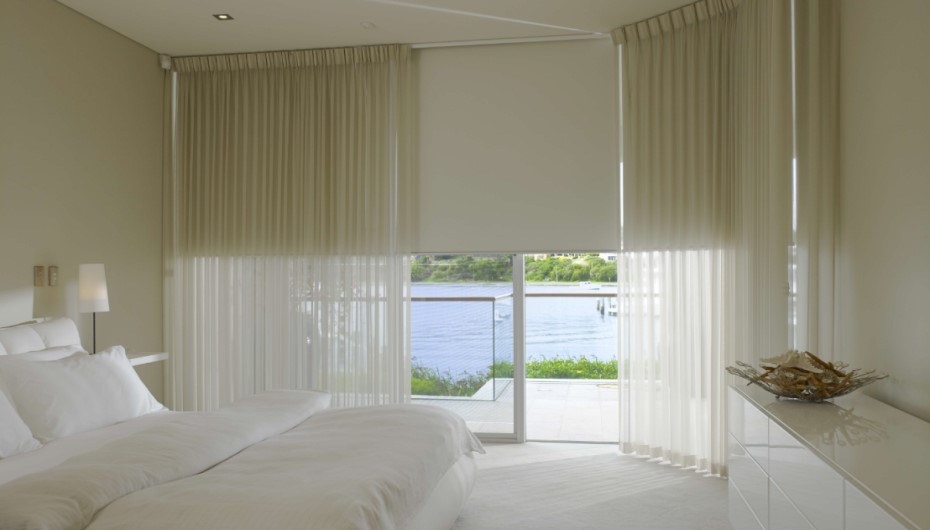
The second most frequent light leakage is from side gaps. Even if the curtains are closed completely, the light may find its way in between the panel and the wall. Here is how to correct it.
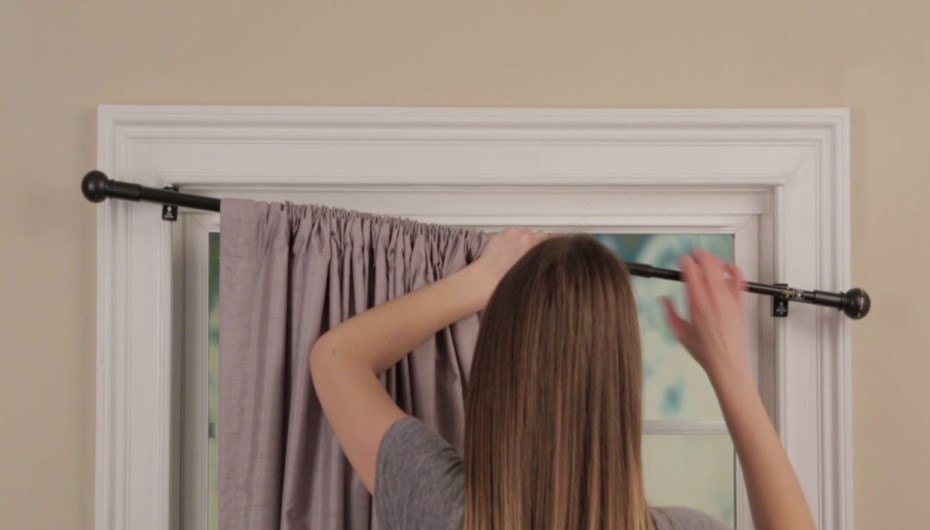
Extend to the Rod Beyond the Window
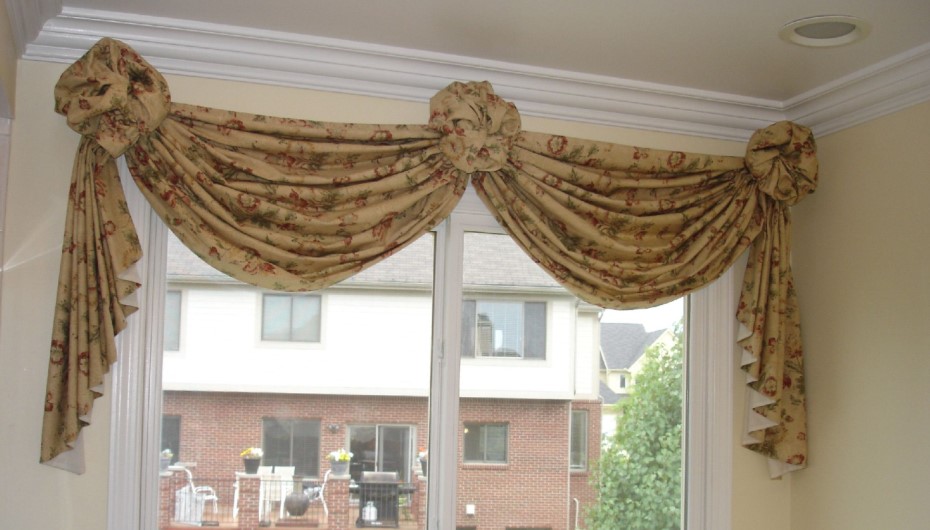
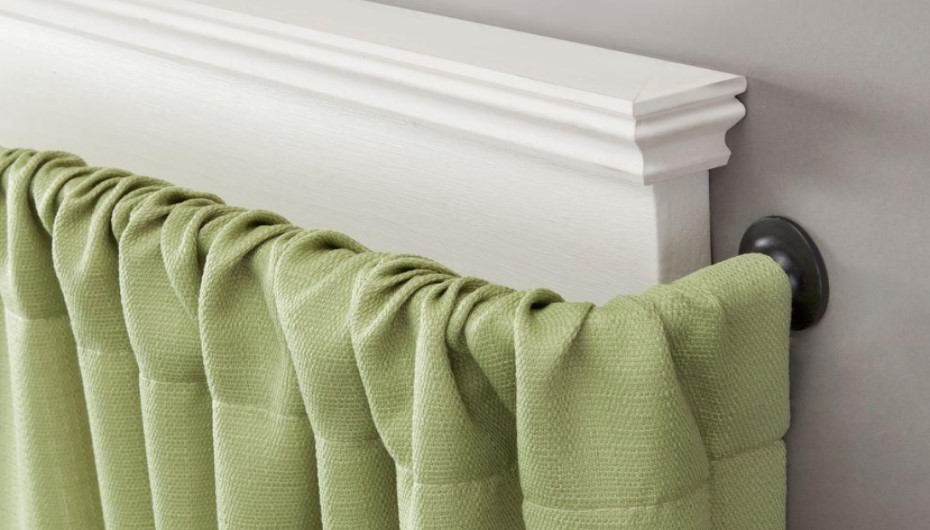
The end of the rod should not abut the window frame. Rather, extend it 6-12 inches beyond the frame on each side. This will allow the curtain fabric to hang all the way to the wall, rather than ending at the glass. The end outcome is far better edge coverage and a more luxurious look.
Use a Wrap-Around (French Return) Rod

A French return rod, which is also known as a wrap-around rod, is a “U” shaped rod. The rod does not terminate in a straight line, but it bends back towards the wall. The fabric conforms to this curve and is firmly against the wall, eliminating all side gaps.
This is one of the best ways to eliminate side light leaks, as it will physically take the gap between the curtain and the wall out. It also provides a clean, neat look to the cat proof curtains.
Install Curtain Returns
When replacing the rod is not possible, it is possible to install curtain returns. Return is the installation of a small hook or eye-screw on the wall below the rod, close to the end of the last curtain pleat. This fixture goes to the end of the curtain and pulls the fabric back towards the wall. This is a way to remove the side gap from the rod without having to alter your existing rod.
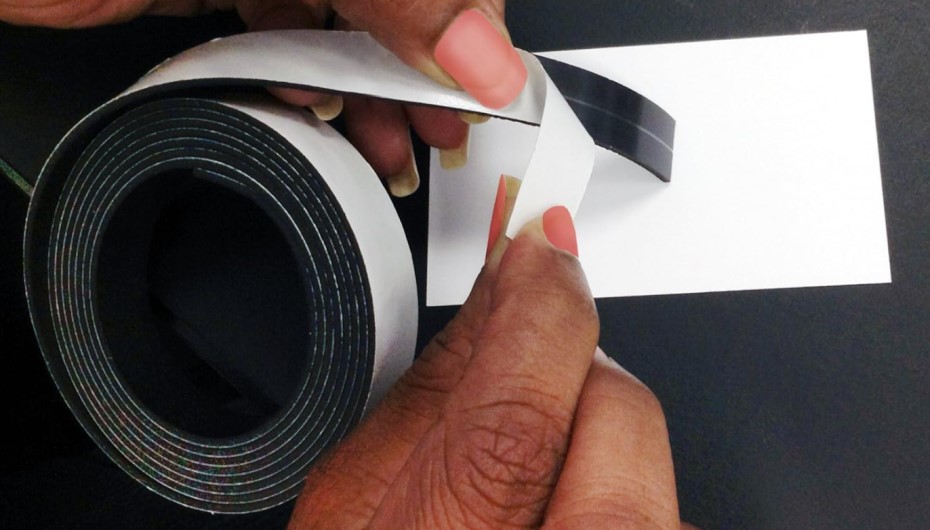
Use Magnetic Strips or Velcro
The sides can also be sealed with adhesive magnetic tape or with strong Velcro strips. One end of the strip to the back of the curtain, and the other end of the strip to the opposite end of the wall. Magnetic or hook-and-loop closure keeps the fabric snugly against the wall when the curtains are closed, blocking all sidelight.
Choose Wider Curtains
Many people end up purchasing curtains which are the exact width of the window. This is a mistake. The combined width of your panels should be at least twice the window width to provide proper light blocking. This additional fullness makes for nice folds when closed, won’t allow the fabric to pull flat, and gives full coverage on both sides.
How to Block Light from the Bottom of Curtains
The bottom of the curtain can float on the floor, and light can seep in. This is how to work with the bottom edge.
Choose Floor-Length Curtains
Try to avoid using curtains that reach the sill in any room in which blackout is important. Always opt for floor-length panels that do not skimp on the floor. The fabric should barely come in contact with or lightly brush the surface to seal the bottom.
Try the “Break Puddle” Style
To cover the largest areas, the curtain should be about 1 inch lower than the floor. The extra fabric softly rests on the ground and creates a complete seal. This is particularly effective in scenarios where the floors are not level and straight hanging curtains may have small spaces in some areas.
Use a Door Draft Stopper
If the curtains are in and can’t be replaced, use a long tube of fabric (also known as a draft stopper or door snake) along the bottom of the curtains. This prevents light from entering from the underside and also helps to decrease drafts and energy loss.
How to Fix the Centre Gap

A bright vertical line of light down the centre of two-panel curtains is a nuisance, but there are some easy solutions to solve the problem.
Overlap the Panels
The two pieces of panel should not just overlap; there should be at least a couple of inches of overlap. If your curtains don’t shut very well, you may need larger panels or a larger rod. Often, the problem can be resolved by simply shifting the position of the curtain rings or hooks to make the panels overlap more.
Use a Magnetic Closure
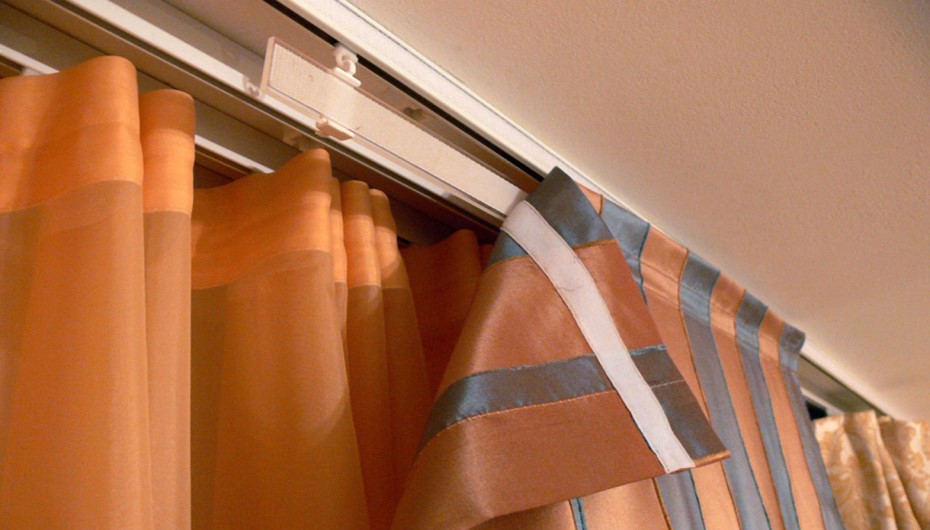
Small magnets can be glued inside the edges of the two panels. The magnets firmly hold the panels in place when you close the curtains, so that they don’t open when you are moving around or as air flows in the room.
Add a Center Tieback
You can keep the two panels together in the middle with the fabric clip-on tieback or clip-on strap and seal the gap in the centre when you need the room to be completely black.
Select the Right Fabric and Lining
While the above fixes are the major components in resolving light leak issues, the fabric is also important. However, if the sun is directly overhead the panel, no rod adjustment will help. Here’s what you can expect to see.
Blackout Lining
A blackout lining is a special fabric that is added to the back of the main fabric. It blocks 99-100% of the light that passes through the fabric. Curtains are available with the lining already stitched on, or you can add a lining to the curtains you already own. Either is fine.
Heavy, Tightly Woven Fabrics
Fine fabrics such as linen, voile and cotton sheers look great and let a lot of light in. If you want darkness, go for heavy, tightly woven materials like velvet, suede or thick cotton. The tighter the weave, the less light that will pass through.
Darker Colours
Dark coloured fabrics absorb more light than lighter coloured fabrics. White or beige curtains can be a beautiful way to add elegance, but they tend to reflect light. When it comes to blackout, darker shades like charcoal, navy, forest green or burgundy work better. However, any colour with an appropriate blackout lining can provide the same level of blackout.
If you’re aiming for a complete blackout in your living space to ensure quality sleep, there are a few important factors to consider. First, make sure you have accurate measurements for your curtains before purchasing a panel.
Choose thick, high-quality fabrics with dense weaves to minimize light leakage. If you’re familiar with the proper curtain installation steps, you’re all set. If not, it’s best to hire a professional to avoid mistakes and ensure proper light blockage. By following these simple yet essential tips, you can achieve effective light control.
Layer Curtains with Blinds or Shades
If you need complete darkness, like a home theatre, a baby’s room or a bedroom of a night-shift worker, then double up on window treatments by combining curtains with another option.
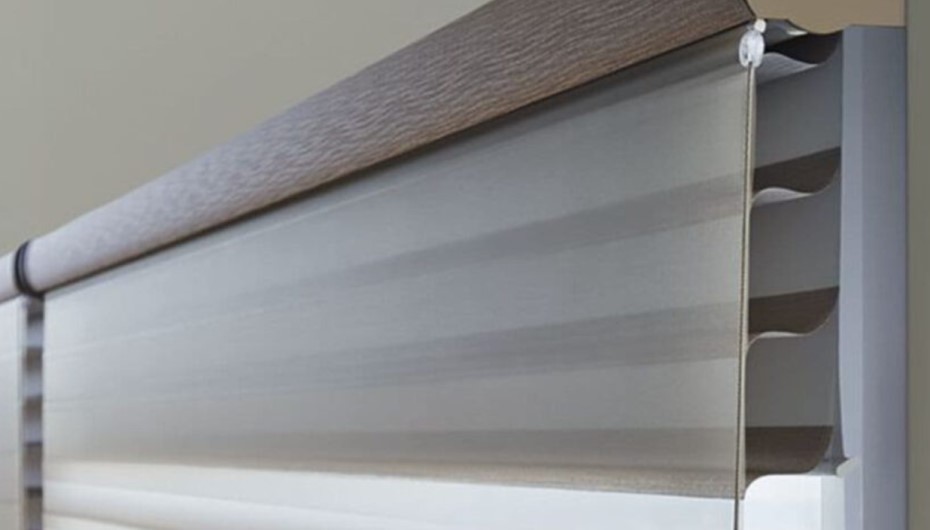
- Cellular (honeycomb) shades sit inside the window frame and block direct light from the glass. Their pleated structure also adds insulation.
- Roller blinds with side channels, sometimes called blockout roller blinds, seal the edges of the window completely.
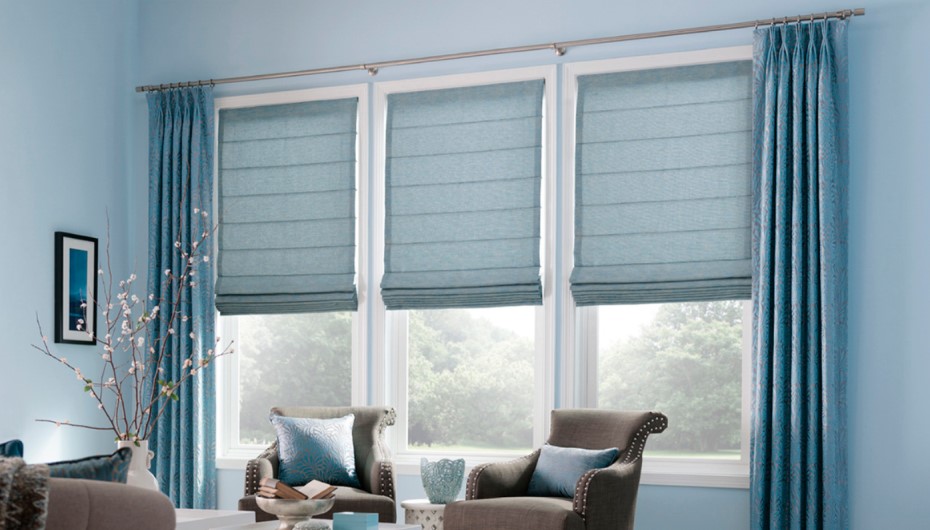
- Roman shades with a blackout lining combine softness with strong light control.
- Wooden or faux wood shutters offer a permanent, premium solution and provide near-total darkness when fully closed.
By closing in the inner blind, then the outer curtain, even the little light leaks around the edges of the curtain are hidden by the inner blind.
Fast and Easy DIY Solutions for Renters and Tight Budgets
Some solutions do not involve new curtains, drilling or a big remodelling. If either a temporary or low-cost solution is necessary, consider the following.
Aluminium Foil
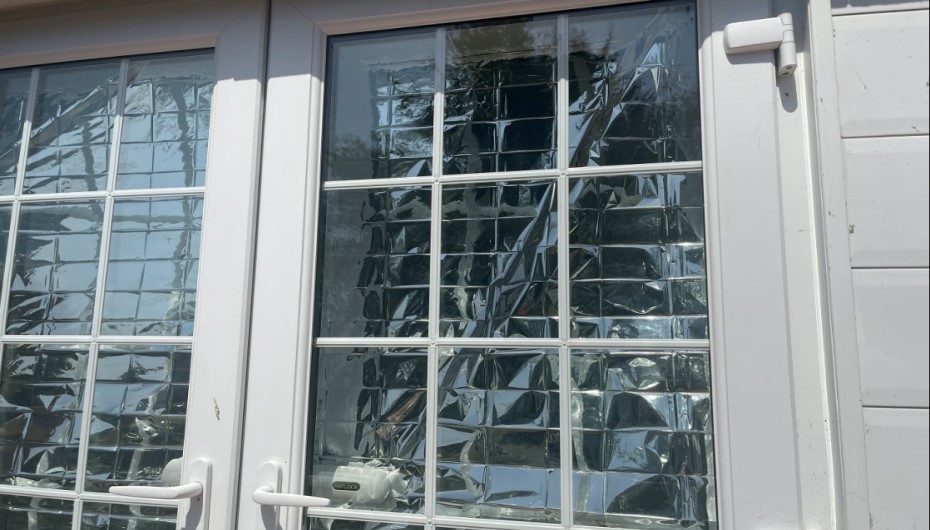
Nearly all light is excluded by a roll of aluminium foil cut to fit the window and taped in place. It’s not something you’d want to hang on its own; however, it’ll do behind your drapes where no one can see it.
Foam Boards or Cardboard
Take a piece of black foam board or cardboard that is thick enough and cut it to fit the window opening. Press it in the frame or use removable adhesive strips. The boards can be painted or draped with fabric to match your room.
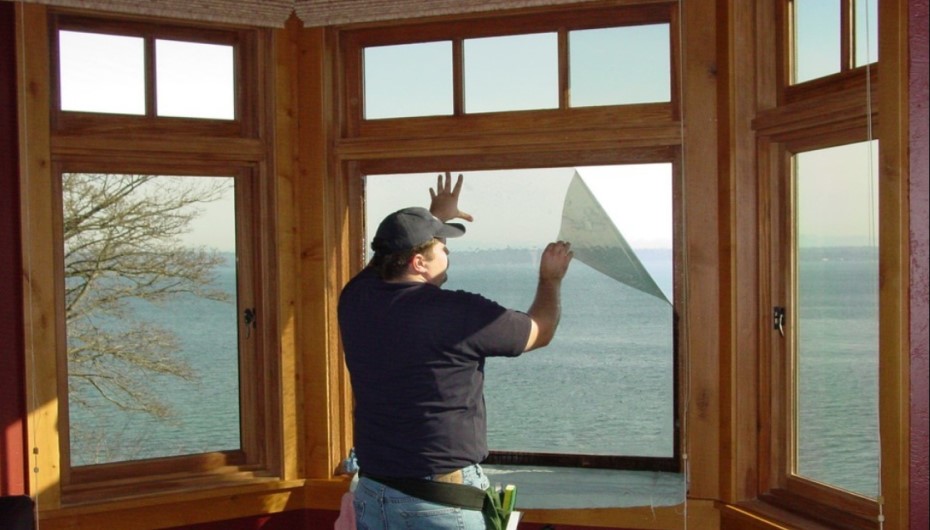
Window Film
Static-cling blackout window film is made to stick directly to the glass. Removable and leaves no residue, and is perfect for renters. It is not a complete blackout blind, but when used in combination with curtains makes a huge difference in controlling the amount of light that enters the room.
Suction-Cup Travel Curtains
For travelling, in dorms, or as rentals, portable blackout curtains with suction cups are perfect. They are easy to install in seconds, mark-free and provide good light control.
Best Blackout Results with Pro Tips
Here are a few last tips for the best results.
- Always measure your window carefully before buying curtains. A well-fitted curtain solves most light leakage problems on its own.
- Combine two or more methods. The best blackout setups stack a thick fabric with a blackout lining, a wrap-around rod, and an inner shade.
- Use returns or wrap-around hardware on every blackout curtain installation. It costs little but adds significant darkness.
- Inspect the room during peak sunlight hours to find every leak. The brighter the outside light, the easier it is to spot weak points.
- Replace cheap “room darkening” curtains with true 100 per cent blackout fabric if light still passes directly through the panel.
Conclusion
When it involves blocking light out of drapes, it boils down to recognizing where the voids are and selecting the mixture of options that will eliminate light from those certain areas house design. In some cases, the solution is as easy as lifting the rod or covering the curtain with it. Other times, a wrap-around rod, a good blackout lining or multiple layers may be necessary for complete darkness.
From a bedroom that can be as dark as night, to a workspace that is as bright as can be without dazzling, to a “true” cinema feel in your living room, the techniques listed above can do the trick. Implement the simplest solutions first: rod adjustment, width adjustment and sealing of edges, etc., and add more solutions as necessary. Just because the sun is bright in the morning doesn’t mean it can’t remain out, as with the right method, your room can stay bright, dark and comfortable throughout the day.
Frequently Asked Questions (FAQs)
How To Make Curtains Light Blocking?
Try hanging thermal or blackout curtains slightly higher and longer than the window frame.
What Covers The Top Of Curtains?
Valances, cornice boards, and pelmet boxes cover to top of the curtains to block sunlight from the top.
What Are Some Ways To Block Light From The Top Of Curtains?
Some ways to block light include using curtain hooks with built-in light blockers, installing a curtain rod with a built-in valance, or using a separate light-blocking panel.
How Do You Block The Light Side Of Curtains?
You can use Velcro strips, magnetic tape, cardboard, or foam to block light from the sides of the curtains.
Why Is Light Seeping From The Top Of My Curtains?
Light can seep from the top of curtains due to a gap between the curtain rod and the ceiling, or if the curtains are not long enough.