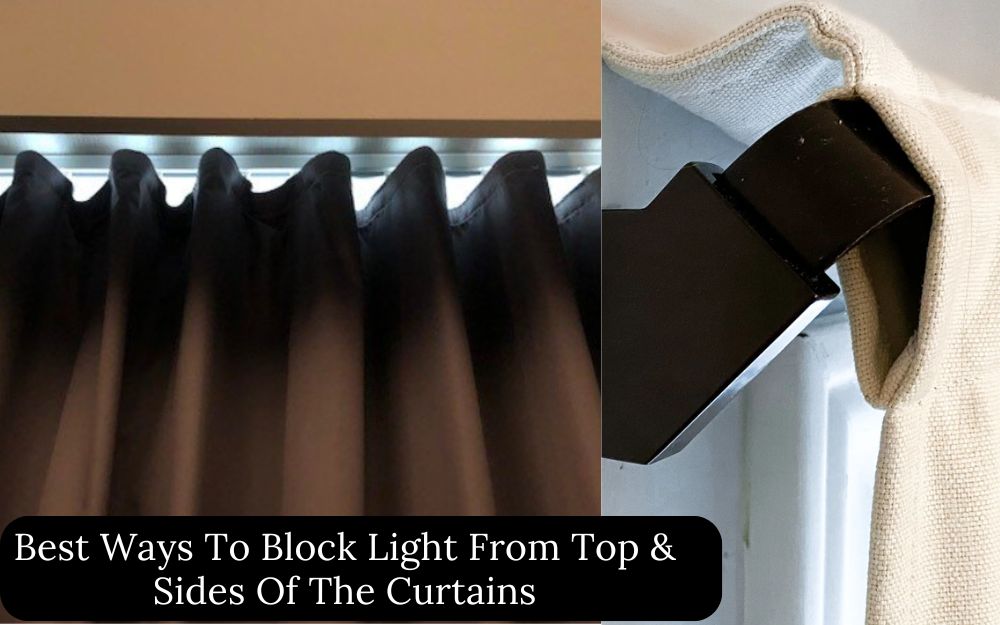
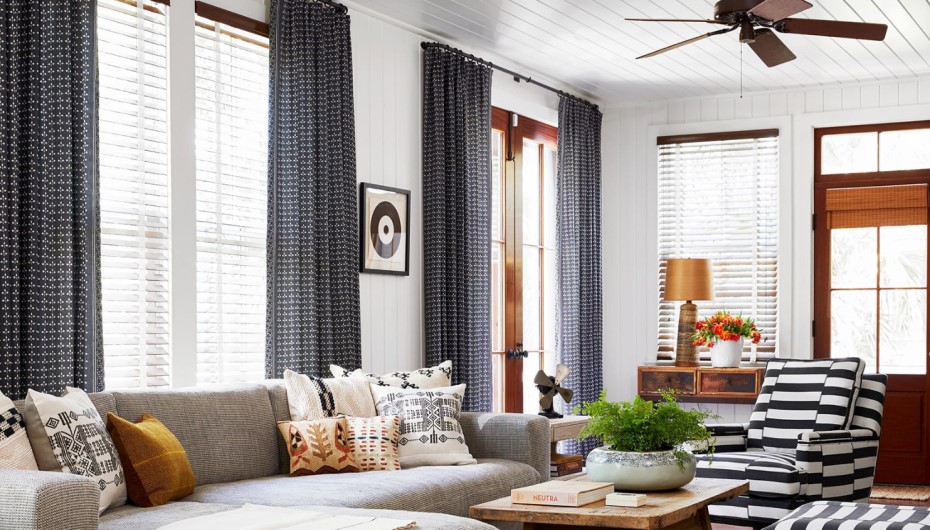
Don’t have to sacrifice your security deposit to hang curtains in a rental. Drilling holes in the wall is not allowed with an apartment, dorm, or rental house lease agreement. The best part is that a renter-friendly curtain rod will help you acquire gorgeous curtains without any nails, screws, or damage to the wall.
What is a Renter-Friendly Curtain Rod?
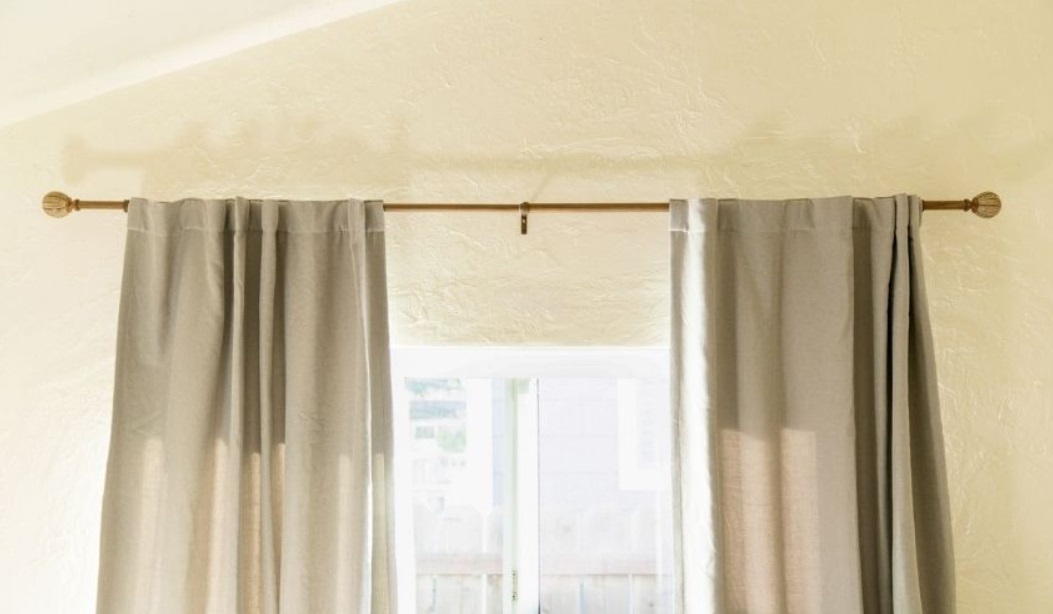
A renter-friendly curtain rod is a window treatment solution that does not require drilling, screwing, or wall damage when hanging curtains. These rods use alternative mounting techniques such as tension rods, adhesive strips, magnets, or tap-in brackets that attach to the window frame rather than break through it.
No-drill curtain rods do not need to be drilled, anchored, or mounted directly in the wall surface. If you are moving out, you can move them with you and leave the walls the same as they were.
The following people favor these kinds of rods:
- Apartment renters who want to avoid losing their security deposit
- College students living in dorms with strict no-drill policies
- People living in RVs, mobile homes, or temporary housing
- Homeowners who do not want to put new holes in finished walls
- Anyone who wants a quick, low-commitment window upgrade
Why Renters Need No-Drill Curtain Rods
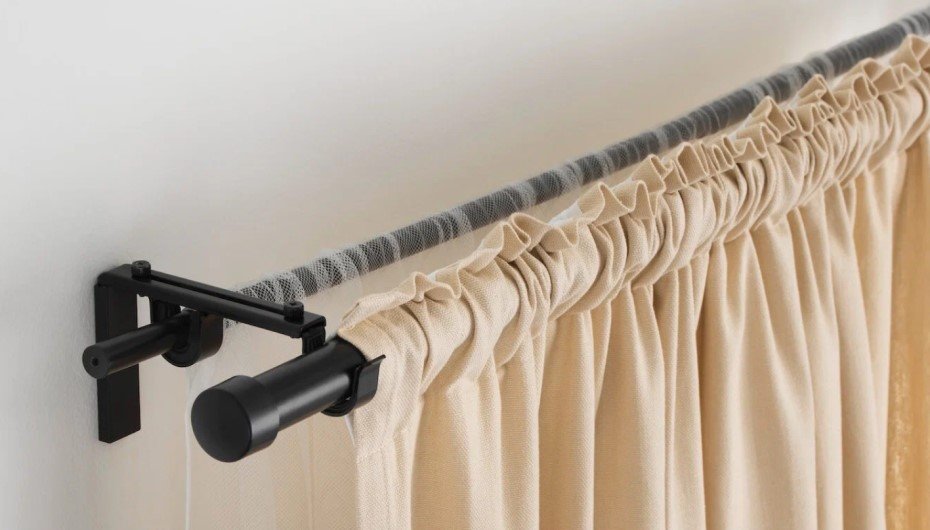
Damage to walls is commonplace in most lease agreements. Small holes put in by a drill can be considered damage and deducted from your deposit at move-out. Repairing drywall, repainting, and patching can easily run two hundred dollars or more, and many renters are looking for safer alternatives.
There are several issues that a renter-friendly curtain rod deals with in a single stroke:
- Protects your security deposit. No holes means no patching fees.
- Stays within lease rules. Most landlords prohibit drilling, but adhesive and tension solutions are usually allowed.
- Allows easy redecorating. You can move the rod to a different window or take it with you when you move.
- Saves time and effort. Installation usually takes a few minutes with no tools required.
- Looks just as good as traditional rods. Many modern no-drill options are stylish enough for any decor.
Types of Renter-Friendly Curtain Rods
No one solution can fit all the windows. This will depend on the type of window frame you have, the weight of your curtains, and how much space is available on your wall. Here are the most common varieties of renter-friendly curtain rods and how they each have their pros and cons.
1. Spring Tension Rods
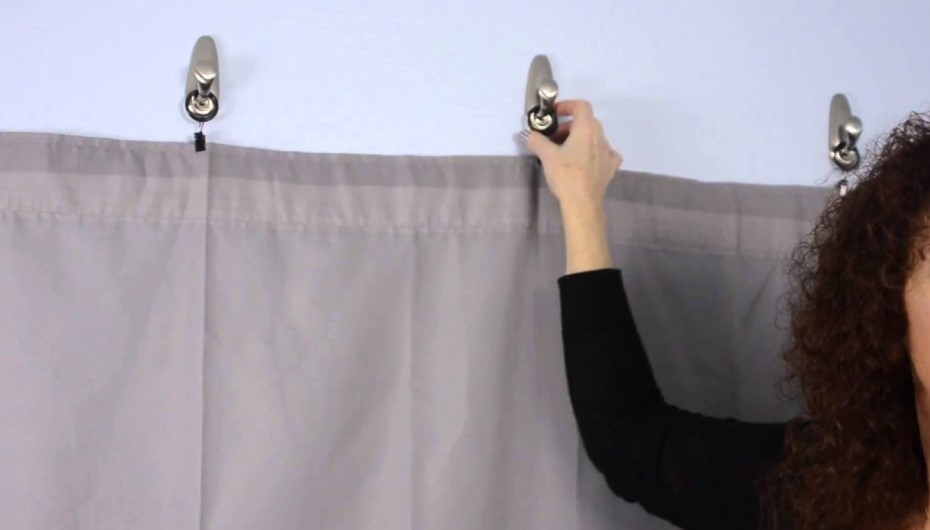
The most popular no-drill choice is spring tension rods. They are self-supporting by virtue of the spring forces acting inside them and are inserted between two surfaces (e.g., inside of a window frame or between two walls).
Ideal for: Lightweight curtains, sheers, café curtains, and shower curtains.
How to install:
- Measure the inside width of your window frame.
- Twist the rod to extend it slightly longer than the opening.
- Place one end against the frame and press the other end into position.
- Adjust until tight, making sure the rubber tips grip both sides.
Pros: Can be difficult to remove, may be non-functional, or may fail to repair the damage.
Cons: Not suitable for heavy curtains. Don’t get them too secure, as the rod can bend and drop. They also skid when the surface of the frame is not flat.
2. Twist and Fit Curtain Rods
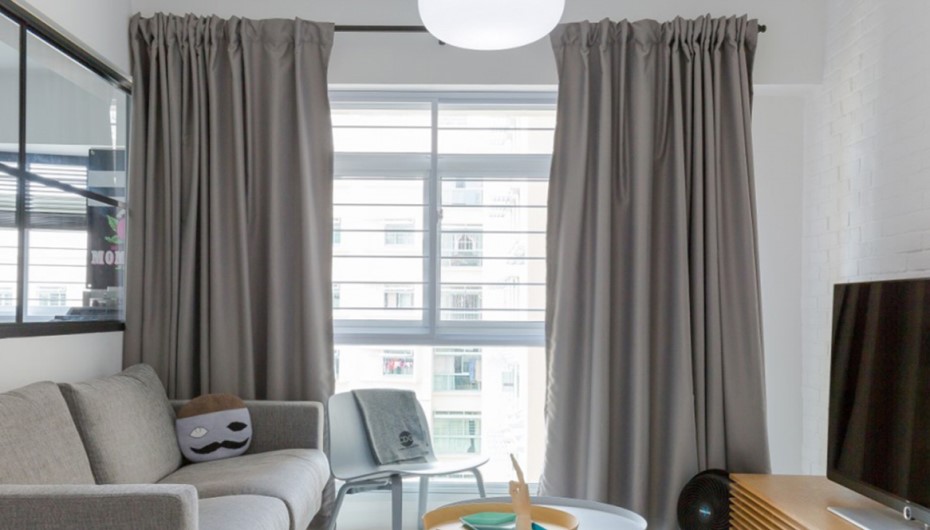
Twist and fit rods are an improved version of tension rods. They are similar in operation, but they have more decorative finials and are more substantial in construction. Medium-weight curtains can be easily lifted by many models, which are more aesthetically pleasing than simple tension rods.
Best for: Renters who want a polished look without drilling.
Pros: More expensive than basic tension rods, not as strong as tension rods, and comes in a variety of designs.
Cons: They are more costly than spring tension rods, and are not robust enough to hold large blackout panels.
3. Self-Adhesive No-Drill Brackets
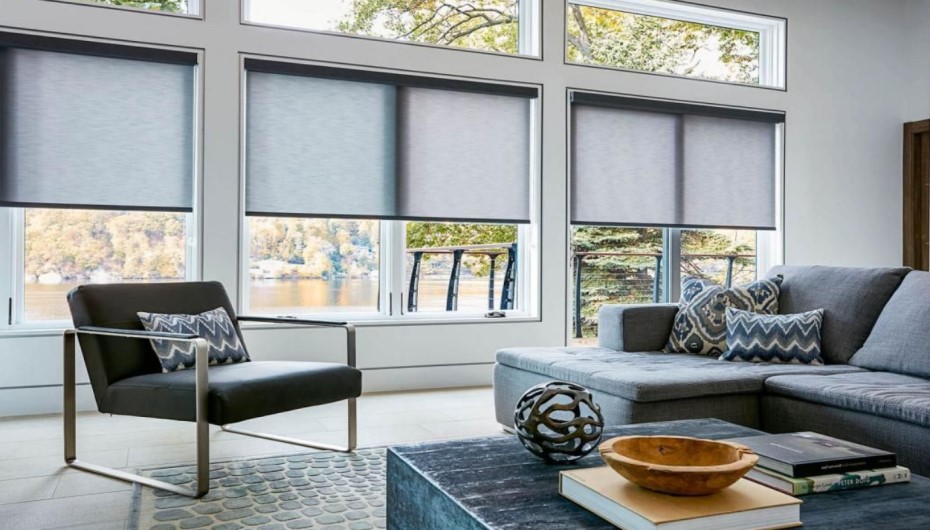
These are small plastic or metal brackets that have a strong adhesive pad, such as 3M technology. You attach them to the side of the window and install a regular curtain rod in the holders.
Recommended for use on smooth surfaces, like tile, glass, painted walls, and wood trim.
How to install:
- lean the area with rubbing alcohol to remove dust and oil.
- Peel off the backing paper from the adhesive.
- Press each bracket firmly against the wall for thirty seconds.
- Wait at least 24 hours before placing the curtain rod.
Most medium-weight curtains can be supported by the 16-30 pounds each bracket pair can hold. Some have an optional small screw for increased grip on rough surfaces.
Pros: Not the best grip, can be set to any height you want, but damage can be done if not set
up properly.
Cons: Adhesive may not adhere to textured drywall, wallpaper, or painted concrete. Their rough removal can cause paint to be dislodged.
4. Tap-In Brackets (Kwik-Hang Style)
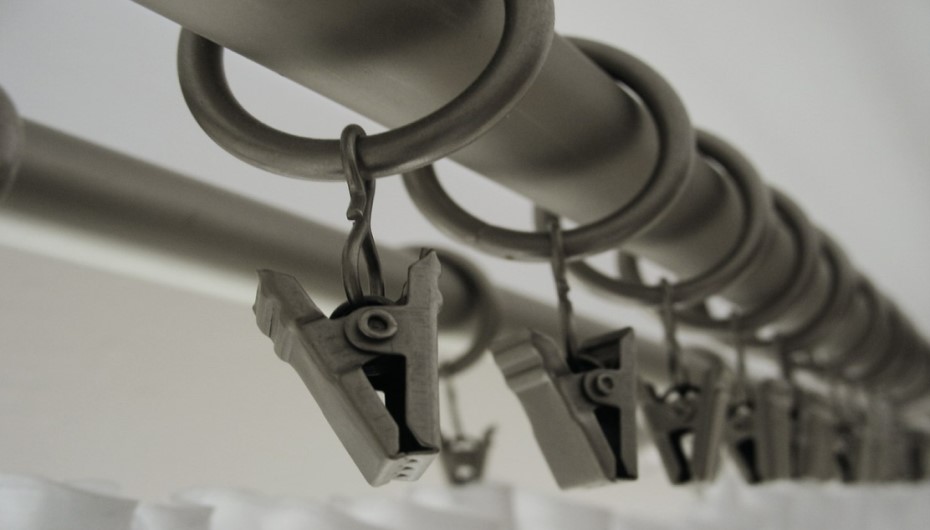
Tap-in brackets are a clever invention that hooks over the top of a wood window frame. The bracket is held in position and hammered down. Small pins fit into the trim, leaving only a small pinhole.
Ideal for: Wood woodwork at least 1/2″ deep around windows.
Pros: The packaging is not made of metal, so it is not as rigid as other handbags.
Cons: Only fits wood window frames, and the rod is located at the top of the frame, so height can’t be adjusted.
Also Check: How to Block Light from Top of Curtains
5. Magnetic Curtain Rods
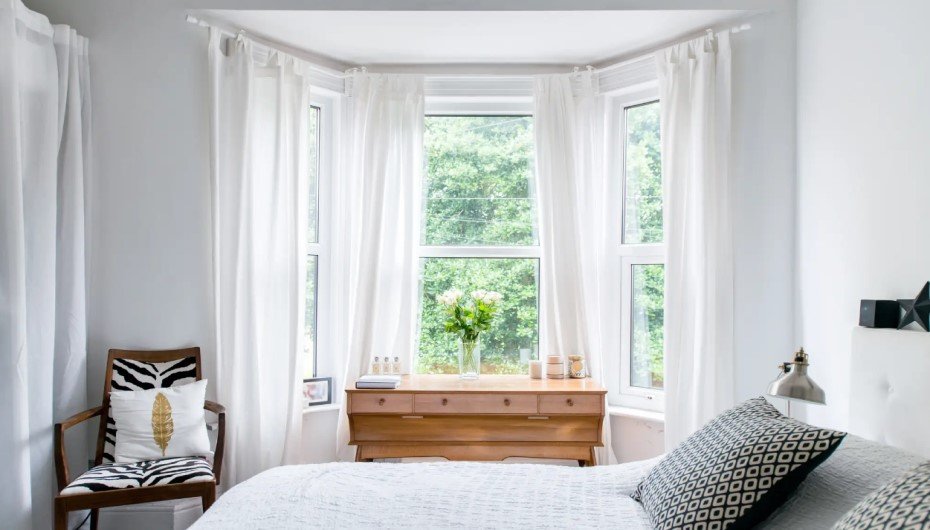
Magnetic curtain rods provide a powerful magnetic force that is used to secure to metal surfaces like steel window frames, security doors, or metal entry doors. These are favored for industrial-style apartments, French doors that have steel frames, and rentals with steel-framed windows.
Ideal for use on: Metal window frames, steel doors, and refrigerator-type surfaces.
The advantages are no adhesive, no holes, attaches in seconds, and is easy to remove.
Cons: Only operates on magnetic surfaces. Heavy curtains can’t be held up, and the magnet may move when bumped.
6. Command Hooks with a Lightweight Rod
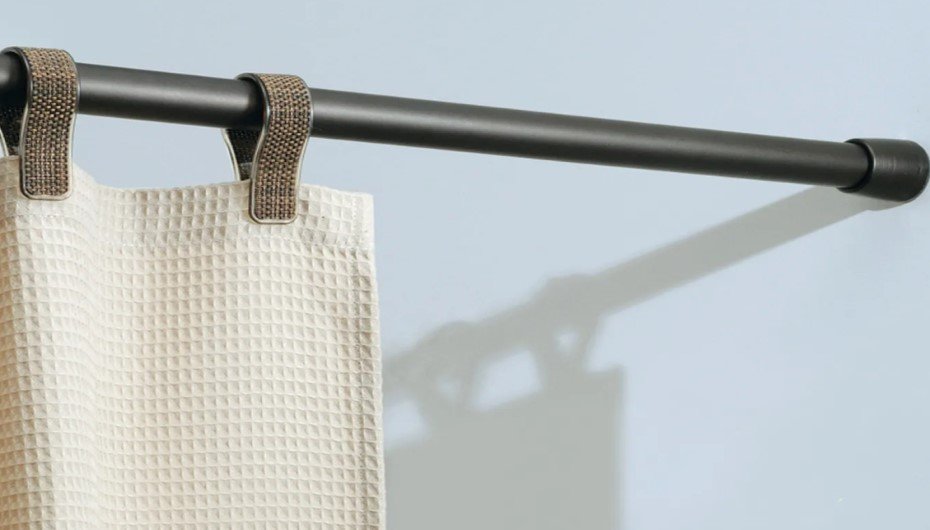
One of the most versatile options is command hooks. The jumbo or heavyweight types can be used to support as much as 7.5 pounds of a thin rod and a pair of light curtains.
How to install:
- Wipe the wall with rubbing alcohol and let it dry completely.
- Mark the spots where you want the hooks.
- Press the adhesive strips firmly for thirty seconds.
- Wait one hour before adding any weight.
- Slide the rod through the hooks and hang your curtains.
Good things: cheap, easy to get everywhere, and easily ripped off using the pull-tab system.
Cons: Only lightweight curtains and thin rods can be used; the weight capacity is limited. Humid rooms can cause failure of adhesion.
7. NoNo Brackets (Over-the-Blinds Solution)
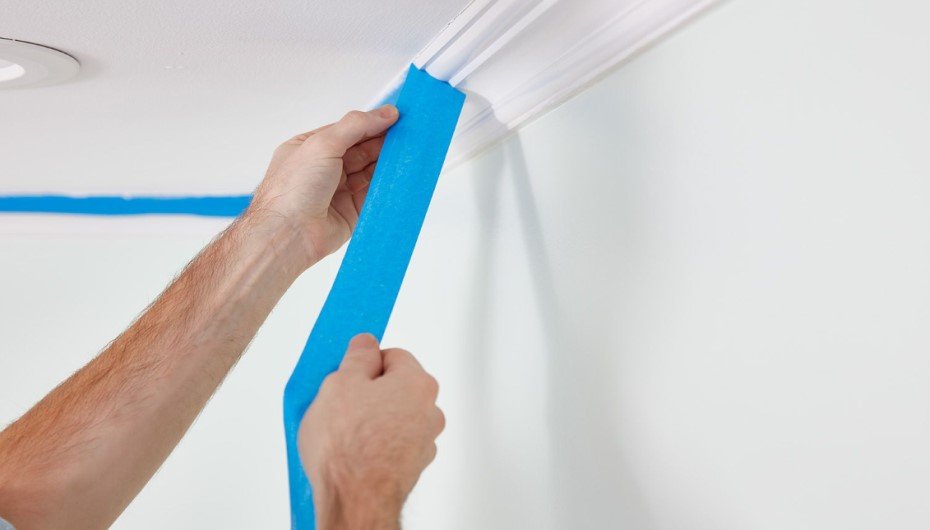
NoNo brackets are a great idea if you already have horizontal or vertical blinds in your apartment. They attach right to the blind headrail, allowing you to hang a curtain rod without having to put your hands on the wall.
Ideal for: Pre-mounted blinds for apartments and those who wish to add curtains to the top.
Pros: Heavy curtains are not suitable and must be installed with most types of standard blinds.
Cons: Must already have blinds and cannot be installed on a bare window.
Also Check: Best Cat Proof Curtains in 2025
8. Suction Cup Hooks (for Glass Surfaces)
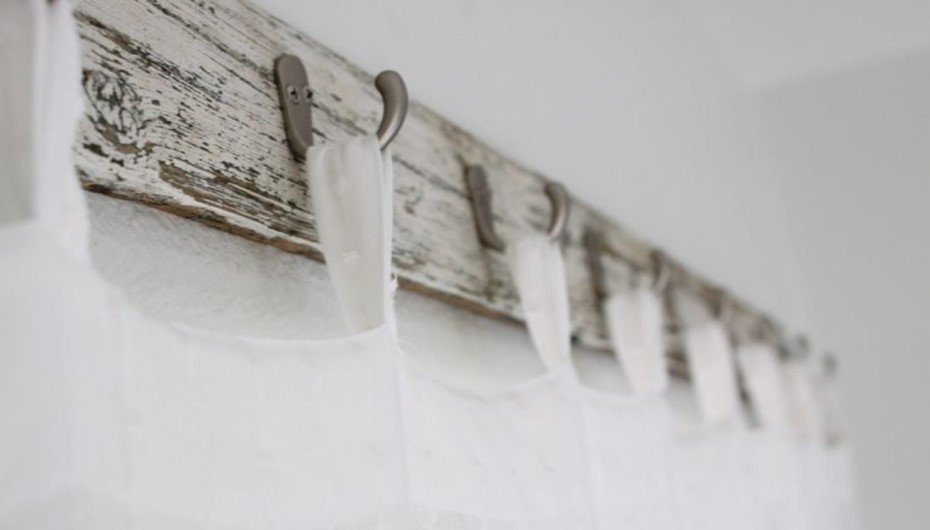
Glass doors, sliding doors, and full glazed surfaces can be used with suction cups. They are designed to be secured directly to the glass and have the ability to support a thin tension rod or light curtain.
Pros: Can be difficult to get a good grip on.
Cons: Only for very light fabrics, and it’s possible that the suction will drop over time.
9. Ceiling-Mounted Tracks with Adhesive
If you want dramatic “floor to ceiling” looks, you can use adhesive ceiling tracks or hooks. These hang from a ceiling, not from a wall, and form big, classy drapes. Use a strong adhesive that can support the weight of your curtains.
Ideal for: Studio apartments, room dividers, and full wall curtain effects.
Also Check: How to Stop Cat From Climbing Curtains
How to Choose the Right Renter-Friendly Curtain Rod
Selecting the correct rod is a matter of some simple considerations. Here are some questions you should ask yourself before purchasing.
Consider the Window Frame
Consider what material is used in your window frame. Tap-in brackets can be used with wood trim. Magnetic rods are made for metal frames. Apply adhesive brackets to a smooth, painted wall or tile. Inside the frame, when there is no trim, command hooks or tension rods are the best choice for bare drywall.
Think About Curtain Weight
Lightweight sheers and linen curtains are almost weightless and will be able to perform with any of the strategies above. Medium-weight curtains, such as cotton or polyester, need stronger curtain brackets, like adhesive holders or tap-in brackets. You might need to layer or use the strongest adhesive on heavy blackout curtains and thermal panels; most no-drill solutions may not be able to deal with these.
Match Your Style
Renter-friendly doesn’t mean unappealing. Many of the no-drill rods can be found in matte black, brushed nickel, brass, white, and bronze finishes. Opt for a finish that complements other fixtures, such as light fixtures and door handles.
Check Your Lease
Before installing anything, always read your lease. While most landlords will accept adhesive and tension solutions, some landlords will not allow any type of installation. If you are not sure, send a quick e-mail to your landlord detailing the product that you want to use.
Step-by-Step Installation Tips That Work
No matter which type of rod you choose, these tips will help you get the best results and avoid surprises.
Clean the surface first. Dust, oil, and residue are the biggest enemies of adhesive. Wipe the wall or frame with rubbing alcohol and let it dry completely before sticking anything to it.
Measure twice, install once. Use a tape measure and a pencil to mark exactly where each bracket will go. A small bubble level helps you keep both sides at the same height.
Wait before adding weight. Adhesive products need time to bond. Most manufacturers recommend at least 24 hours before hanging curtains. Skipping this step is the most common reason brackets fall.
Do not overload. Always check the weight rating on the package and stay below it. If you are unsure, weigh your curtains on a kitchen scale before installing.
Test the hold. Before you walk away, give the rod a gentle tug. If it feels wobbly, reinforce it or choose a different option.
Common Mistakes Renters Make
Even if you have the best products, little errors can lead to enormous problems. Try to avoid making these common mistakes:
- Installing on freshly painted walls. Paint needs at least three to four weeks to fully cure before the adhesive can bond properly.
- Using adhesive on textured wallpaper or popcorn ceilings. The surface is too uneven to grip.
- Tightening tension rods too much. This bows the rod and may pop it loose in the middle of the night.
- Mixing heavy curtains with lightweight hardware. Always match the bracket strength to the curtain weight.
- Forgetting to clean the surface. Even invisible dust prevents the adhesive from working.
- Removing brackets by pulling straight out. Most adhesive strips need a slow downward pull to release without damage.
Where to Buy Renter-Friendly Curtain Rods
Find no-drill curtain rods and brackets at home improvement stores, big-box retailers, and online marketplaces. Popular places to shop consist of hardware stores, home decor outlets, and online shops that frequently have the widest choice at the best price. As a consumer, read the latest reviews on the internet when purchasing a product, particularly about adhesion, finish, and the ease of wall removal.
In The End
A renter-friendly curtain rod is among the most clever renovations that may be carried out in a rental space. It helps you make windows more welcoming without endangering your security deposit or violating your lease agreement.
It will depend on the type of window, the weight of the curtains, and your personal style. Tension rods are great for people renting on a budget, adhesive brackets add flexibility and style, tap-in brackets are the best type to hold wood trim, and NoNo brackets work best when you already have blinds installed in your apartment.
No matter which one you decide to go with, be sure to clean the surface, follow the instructions for installation, and adhere to the weight restrictions. You can still have gorgeous curtains in your rental and walk away with your full deposit when it’s time to move on, with a little planning.
If you require additional assistance, you can explore more of our articles at styleofhome.com.
Also Check: Kids Bedroom Interior Design Ideas
Frequently Asked Questions
Are renter-friendly curtain rods strong enough for blackout curtains?
Answer
Light to medium-weight blackout curtains will fit most adhesive and tension rods; however, very heavy blackout panels may require reinforced tap-in brackets or additional support points. Check the weight rating before buying.
Will adhesive curtain rod brackets damage my paint?
Answer
When installed and removed correctly, quality adhesive brackets like Command strips will not damage paint. The trick is to make sure that you first clean the wall, then wait the recommended bonding time, and peel the strip down slowly instead of ripping it off.
Can I use a no-drill curtain rod on textured walls?
Answer
Adhesive types generally do not adhere to rough surfaces, popcorn ceilings, or heavily textured walls. Tension rods that fit inside the window frame, or tap-in brackets on wood trim, are preferable for these walls.
How much weight can a renter-friendly curtain rod hold?
Answer
This varies depending on the type. Five to seven pounds of tension is typical for spring tension rods. Each adhesive bracket can hold 16-30 pounds. Tap in brackets supports approximately twenty pounds. Always refer to the manufacturer’s information.
Do tension rods work on every window?
Answer
No, tension rods will only work if there is the ability to press against a snug surface on both sides. They are suitable for use in window frames, between walls, or in doorways, but are not suitable for use on flat walls without a recess.
How long do adhesive curtain rod brackets last?
Answer
When installed correctly, good adhesive brackets will last for years. This lifespan can be reduced by heat, humidity, and direct sunlight; inspect the bond in kitchens and bathrooms every few months.
Can I reuse renter-friendly curtain rods after moving?
Answer
Tension rods, magnetic rods, and tap-in brackets can typically be repurposed for a new home. But adhesive strips will need to be replaced every time you reinstall them, as they will lose their adhesion when removed.