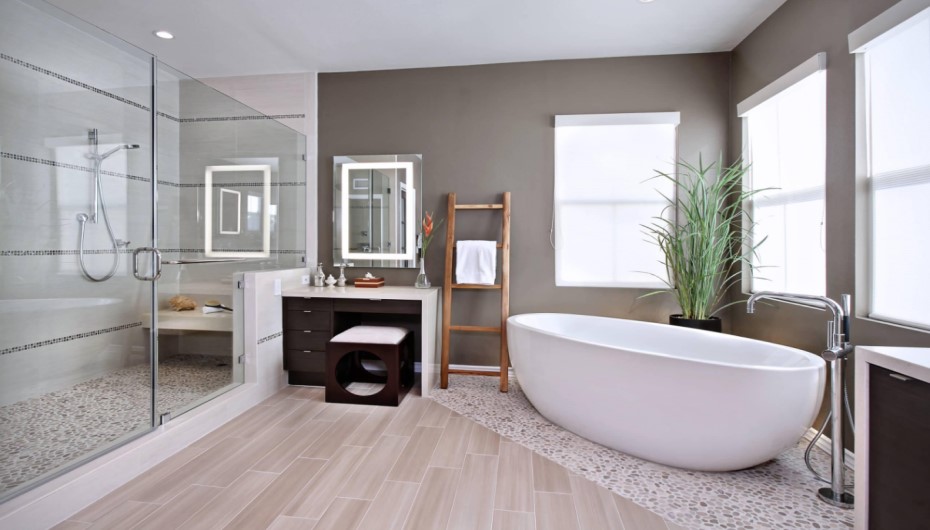
A bathroom tub is among the most crucial pieces of fixtures in any bathroom. When you’re looking to renovate your entire bathroom, replace your bathtub, or are building a new home, it’s beneficial to know the average dimensions of a bathtub so you can make a well-informed decision. The right size ensures that the tub will fit in your space, be comfortable for you, and be compatible with your plumbing system.
Throughout this ultimate guide, we will tell you all you need to know about bathtub standard sizes. You will discover the most common sizes, various tubs, depth, and water capacity information, and helpful tips for selecting the ideal size tub to fit your bathroom.The team of styleofhome.com will also cover the topic of all bathroom tub dimensions UK.
What is the Standard Size of a Bathing Tub?
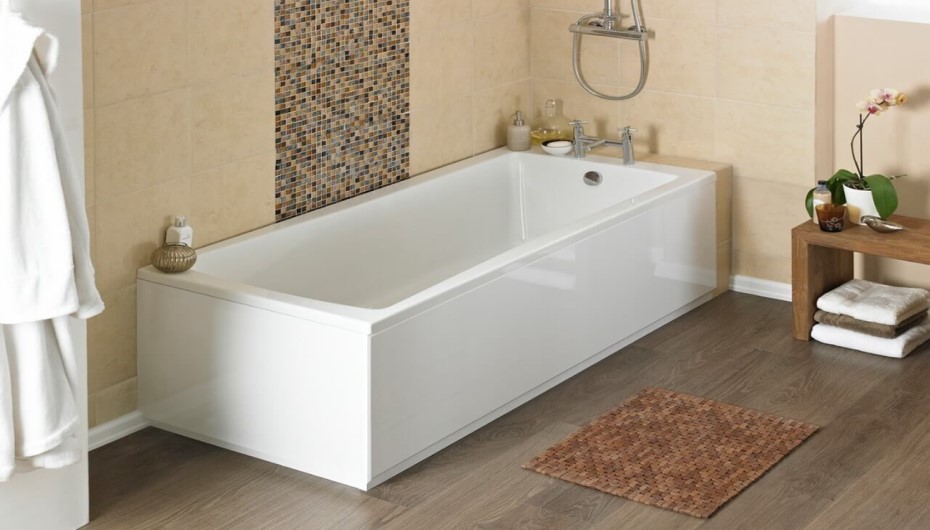
A typical bathtub is approximately 60 inches long, 30-32 inches wide, and 14-20 inches deep. This size is the most popular option in homes due to the fact that it actually fits into the space of most bathrooms and is likewise compatible with regular plumbing systems.
This is approximately 152 cm long, 76-81 cm wide, and 35-50 cm deep in metric measurements. The majority of bathing tubs offered in the United States, Europe, and the Middle East conform to these measurements, although there are some differences in the styles and brands.
Bathtubs come in a variety of sizes, with 60 x 30 inches being the most common, but this can be different depending on your bathroom space, design, and preferences. Always be sure to measure your bathroom space well before deciding.
Quick Reference: Standard Bathtub Dimensions Chart
| Bathtub Type | Length (inches) | Width (inches) | Depth (inches) |
|---|---|---|---|
| Standard Alcove Tub | 60 | 30 – 32 | 14 – 20 |
| Small Alcove Tub | 54 | 30 | 14 – 16 |
| Freestanding Tub | 55 – 72 | 27 – 32 | 15 – 22 |
| Drop-In Tub | 60 | 30 – 36 | 14 – 20 |
| Corner Tub | 60 × 60 | 60 × 60 | 18 – 22 |
| Soaking Tub | 60 – 72 | 30 – 36 | 20 – 24 |
| Walk-In Tub | 48 – 60 | 28 – 32 | 36 – 48 |
| Whirlpool Tub | 60 – 75 | 30 – 36 | 18 – 22 |
| Clawfoot Tub | 54 – 72 | 27 – 31 | 15 – 20 |
Types of Bathing Tubs and Their Standard Sizes
Various tubs are suited for various bathroom sizes, styles, and bathing preferences. Here are the most common types and their average dimensions.
1. Alcove Bathtub
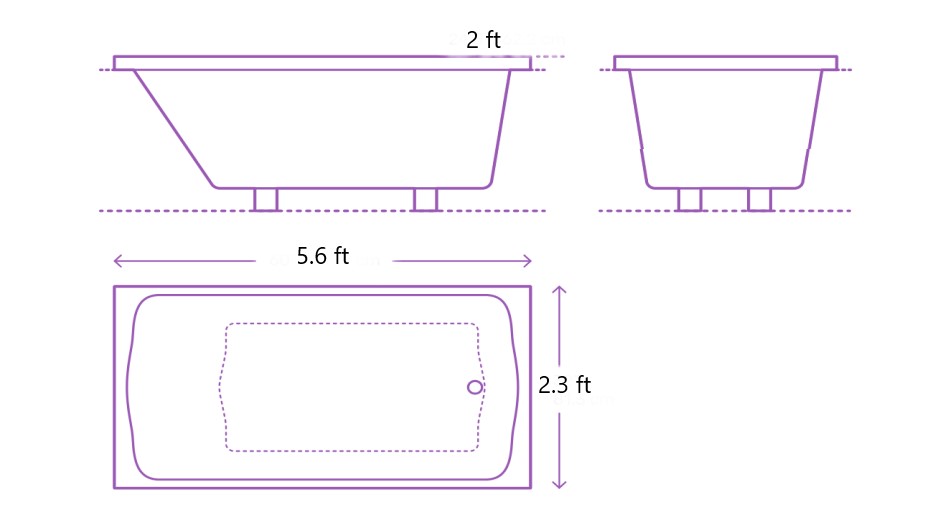
The alcove bathtub is the most popular form of bathtub that you will find in houses these days. It’s installed in a three-wall enclosure and is frequently used in conjunction with a shower overhead. Space-efficient and easily fits into smaller bathrooms.
Standard size: 30-32” wide x 60” long x 14-16” deep.
Alcove tubs are popular because they are inexpensive, easy to install, and fit into most of the common bathroom setups. The smallest of the alcove tubs is approximately 54 inches long, and the larger ones are up to 66 inches for the taller individuals.
2. Freestanding Bathtub
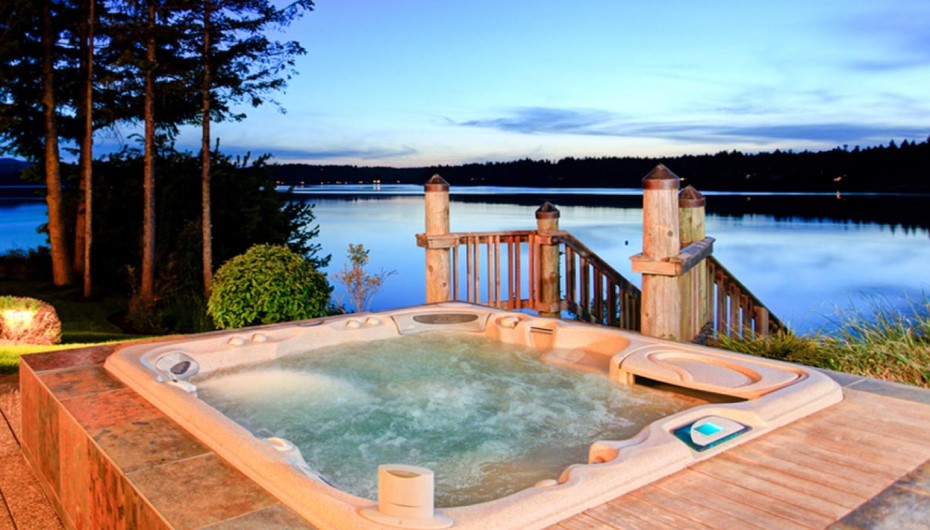
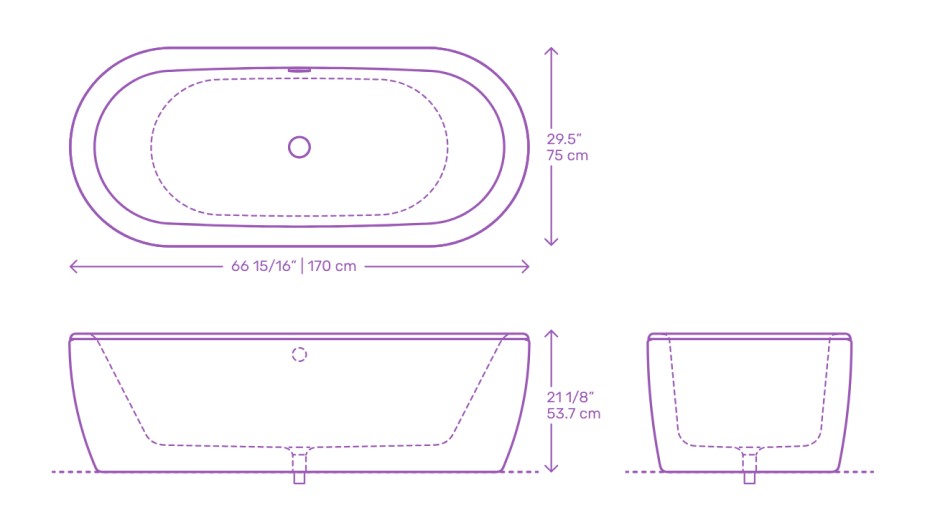
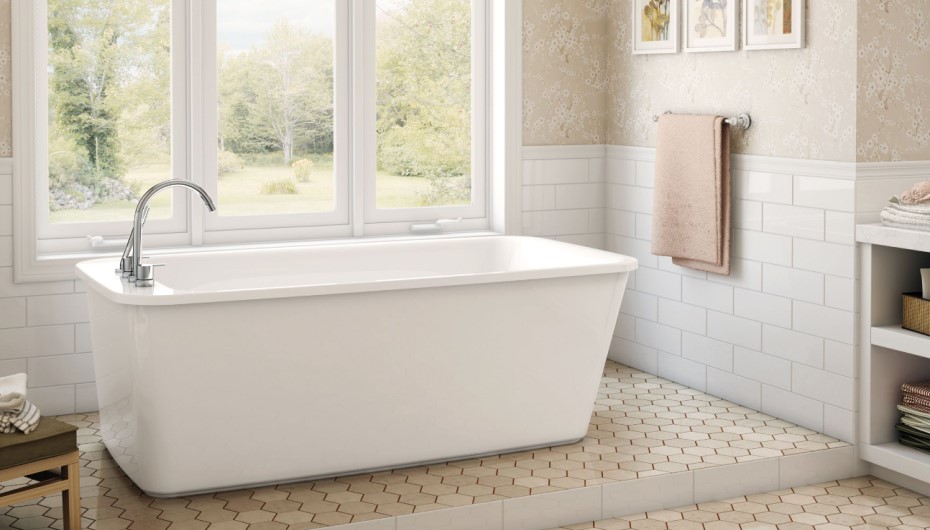
Freestanding bathtubs do not require support from the walls and can stand on their own in the bathroom. Their stylish appearance has made them popular in contemporary bathrooms, hotel rooms, and luxurious homes. They can be used as an attractive focal point in any bathroom.
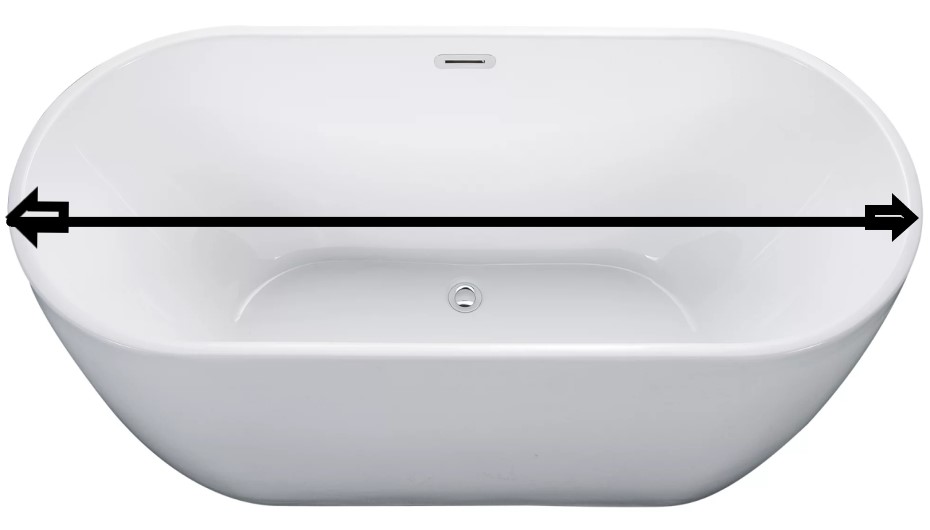
Standard size: 55 to 72 inches long × 27 to 32 inches wide × 15 to 20 inches deep
Freestanding tubs are available in a variety of forms, such as oval, rectangular, slipper, and pedestal. They need to have a greater amount of open floor space and more robust plumbing connections from the floor. This style lends a luxurious touch to a large bathroom.
3. Drop-In Bathtub
A drop-in bathtub is a tub shell that is set into a specially-built deck or platform. It does not have completed sides as it is visible behind the deck framing. This design will allow you to integrate the tub into the bathroom design.
Standard size: 60 inches long × 30 to 36 inches wide × 14 to 20 inches deep.
For those who prefer to have design flexibility, drop-in tubs are a great option. They can be placed in a corner, alcove, or even in the center of a large bathroom. The deck surrounding the tub also makes for a great shelf for candles, soap, or bath items.
Also Check:
4. Corner Bathtub
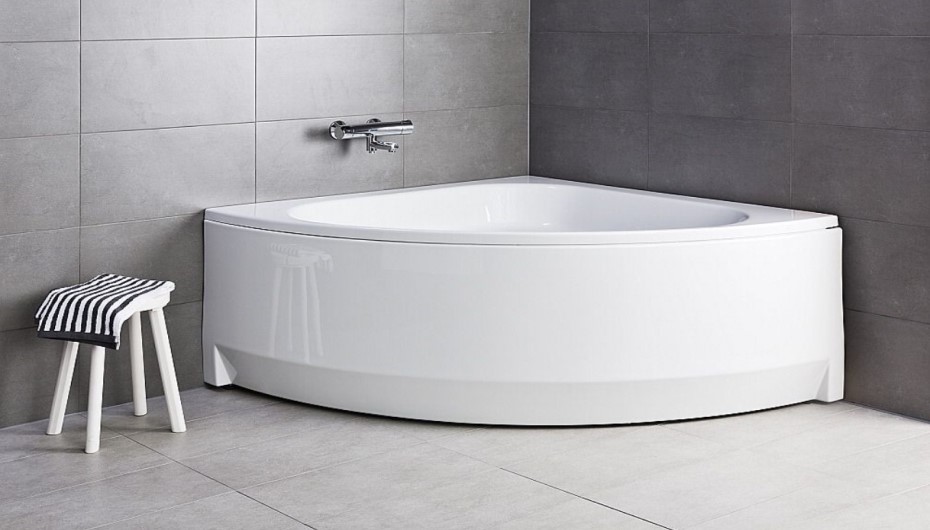
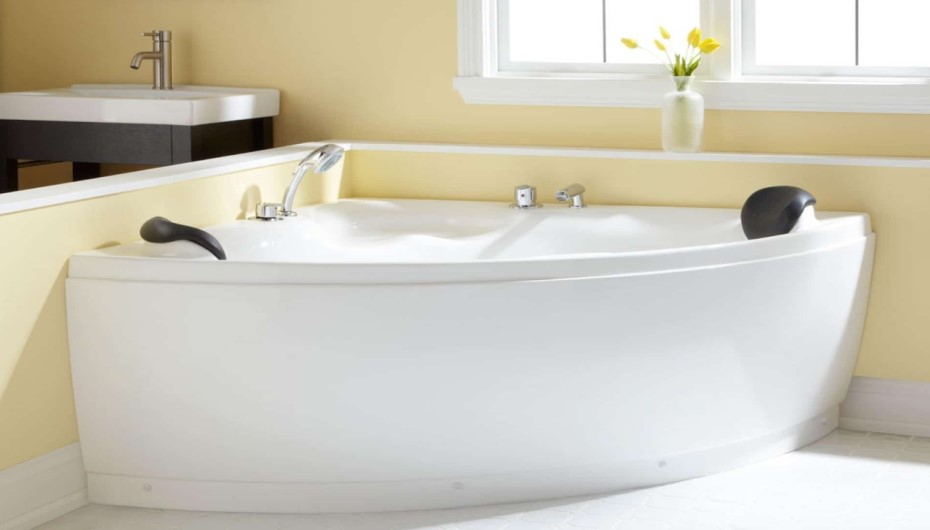
Corner tubs are tubs that fit into the corner of a bathroom. They take the shape of a triangle or wedge and make efficient use of corner space. Many corner tubs are wide and deep enough for two people, making them a good option for couples.
Standard size: 60″ x 60″ x 18-22″ length (two walls)
Corner tubs are typically deeper than alcove tubs, which means that you can soak your entire body. They do consume more space in the bathroom, however, and are ideal in medium to large bathrooms.
5. Soaking Bathtub
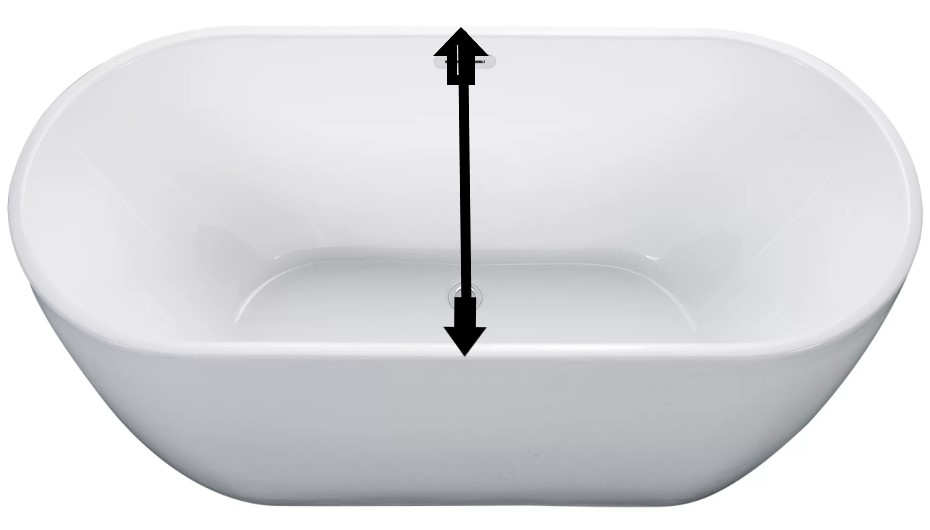
Soaking tubs are usually based on the Japanese ofuro tubs and are more for relaxation. These tubs are deeper than normal bathtubs, so that the water will come up to the shoulders of the bathtub and provide full immersion.
Standard size: 60 to 72 inches long × 30 to 36 inches wide × 20 to 24 inches deep
These types of tubs require more water than the regular tubs, typically about 80 to 100 gallons. A soaking tub is a good option for those who enjoy taking long, soothing baths. Simply be sure your water heater is capable of producing the increased requirement.
6. Walk-In Bathtub
Walk-in bathtubs are meant to be safe and accessible. They feature a waterproof door, a low entry point, and a built-in seat. Ideal for the elderly or for anyone with mobility issues.
Standard size: 48 to 60 inches long × 28 to 32 inches wide × 36 to 48 inches deep
Due to its height, a walk-in tub lets you sit to bathe and minimizes the chances of falling. They may also include features such as grab bars, hydrotherapy jets, and heated backrests.
7. Whirlpool Bathtub
Whirlpool tubs are tubs that not only provide you with a bathing experience but also a spa-like massage. These consist of water jets to provide streams of water for muscle relief and relaxation. Sometimes these are referred to as jetted tubs.
Standard size: 60 to 75 inches long × 30 to 36 inches wide × 18 to 22 inches deep
Whirlpool tubs are best for the larger bathrooms and homeowners who want a luxury spa feel. They require an electrical connection to the jets, which can make installation more complicated than a standard tub.
8. Clawfoot Bathtub
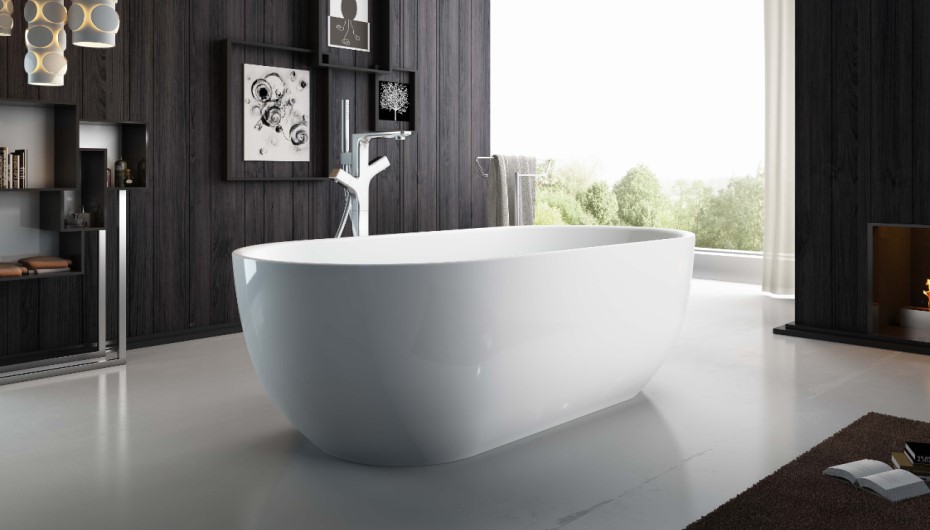
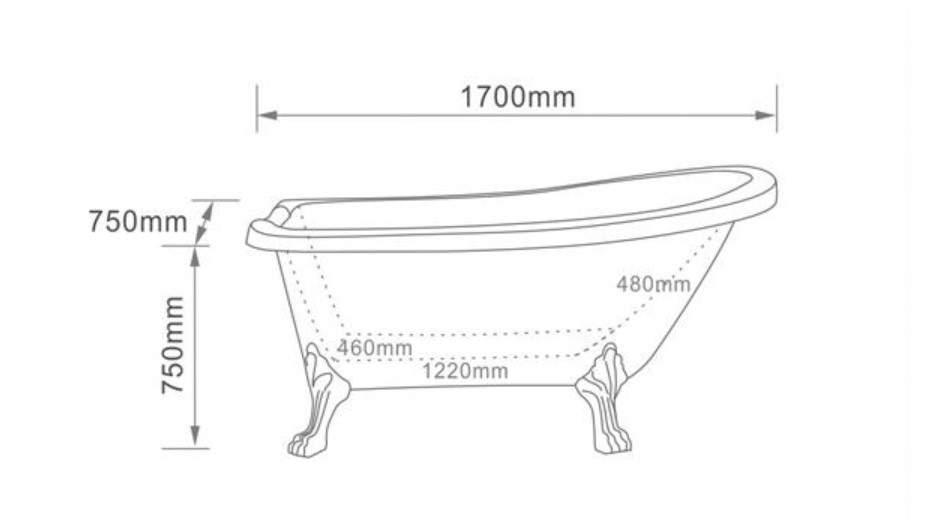
Clawfoot tubs are a classic, vintage style, with four decorative feet that elevate the tub off the floor. They give a timeless and elegant look to any bathroom and have a freestanding design.
Standard size: 54 to 72 inches long × 27 to 31 inches wide × 15 to 20 inches deep
Claw-foot tubs are typically cast iron and are extremely heavy. The weight of a 60″ claw-foot tub filled with water is about 700lbs, so you must ensure that your floor is strong enough to support it.
Also Check:
Standard Bathing Tub Depth and Water Capacity
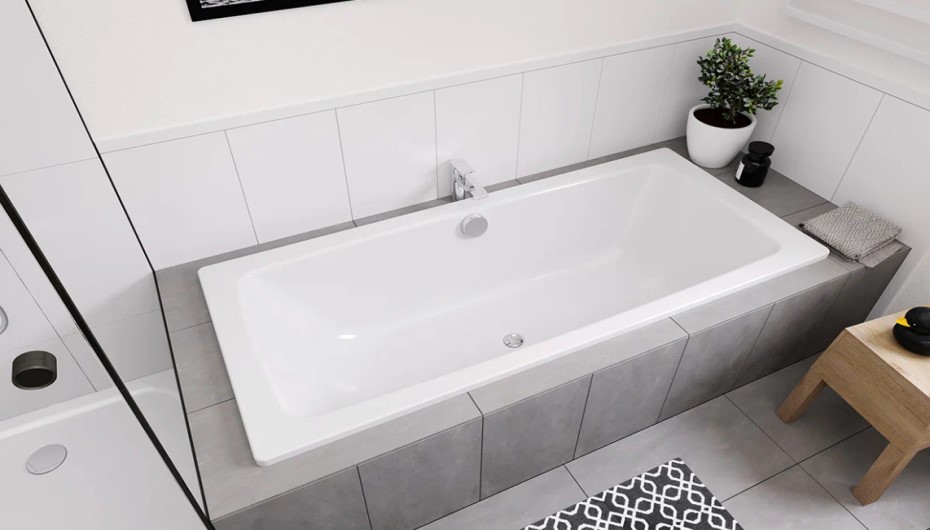
One of the most important measurements, but most often overlooked, is depth. The depth of a bathing tub is from the bottom of the inside of the tub to the overflow drain, not the edge of the tub.
- Typical depth: 14-20 inches.
- Deep soil profile: 20-24+ inches
For daily use, a 14 to 16-inch deep tub is best, and is great for a fast bath. For deep soaking baths, consider a tub that’s at least 18 inches deep.
Water Capacity
The amount of water a tub will hold varies with the size and depth of the tub. This is a rough estimate of capacity:
- A standard alcove tub holds about 35 to 50 gallons (132 to 189 liters) per bath.
- A large soaking tub can hold up to 80 gallons (302 liters) of water.
- An oversized luxury tub can hold even more.
Remember, water is about 8.34 lbs per gallon. Thus, a 60-gallon tub that is full of water can weigh more than 500 pounds on your bathroom floor. If you’re installing the product up high, always make sure the structure is capable of supporting the load.
How to Choose the Right Bathtub Size for Your Bathroom
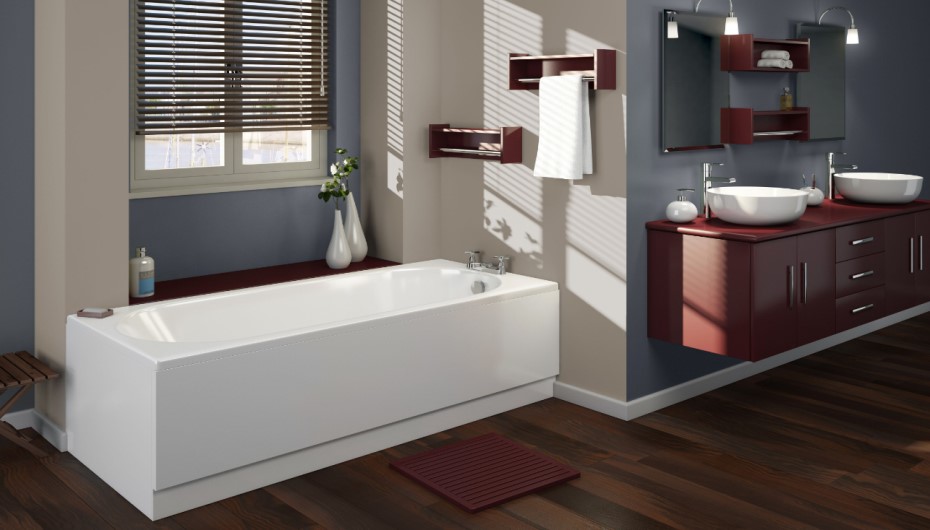
There are many factors to consider when picking the right size bathing tub, such as the size of your bathroom, who will be using the tub, and your own personal preferences. Below is a guide according to the size of the bathroom.
For Small Bathrooms (Under 40 sq ft)
Space is a problem in small bathrooms. The following choices are best:
- Compact Alcove tub (54″ length × 30″ width):
- Corner tub: 48″ x 48″, good for corner areas
- Walk-in tub: Compact and safe, about 48 inches long
Don’t put the tub against the longest wall, so you can leave the other part of your bathroom open and easy to navigate.
Medium Bathrooms are designed for a Space of 40 to 70 sq ft
A medium bathroom is more flexible. From the following choices, you can select:
- Standard alcove tub: 60 inches long × 30 inches wide
- Freestanding tub: Around 59 to 67 inches long
- Drop-in tub: Custom sizes from 60 inches and above
A medium-sized bathroom can usually accommodate a freestanding tub for a focal point or an alcove tub that’s nestled along one of the walls.
For Bathrooms (More than 70 sq ft)
If you have a large bathroom, you can accommodate larger and more luxurious bathtubs. Suggested options include:
- An oversized free-standing tub: 70-75 inches in length
- Whirlpool bathtub: 72 inches and comes with built-in jets
- Soaking tub: Maximum of 72” length and additional depth
Position the tub in the center of the bathroom for a dramatic seating or close to the window for a beautiful view while taking a bath.
How to Measure Your Bathroom for a Bathtub
Precision is important in measurements for a successful installation. Follow these steps to measure your bathroom properly:
- Measure the length, width, and height of the existing tub area or the space where you want the new tub.
- Note the position of plumbing connections, including the drain and faucet locations.
- Measure your doorways and hallways to make sure the new tub can be carried into the bathroom.
- Check ceiling height, especially if you are adding a tall walk-in tub or a tub with a shower above.
- Measure twice to avoid mistakes that can lead to costly delays.
Keep in mind that bathtub dimensions typically are for the outside of the tub and include the rim. Inside the tub is a few inches less than a true bathing area.
Factors to Consider Before Buying a Bathing Tub
Various other factors influence your final decision, besides size. Here are the top ones to consider.
Also Check:
Bathroom Layout
Check the positioning of the doors, windows, toilet, and vanity. Ensure the new tub will not be in the way or restrict access to other fixtures.
User Height and Comfort
If a user is taller than 6′, he/she should consider tubs that are 66″ or more in length for leg room. A 54-60″ tub is ideal for shorter users. However, there is also width; wider tubs (32 to 36 inches) will accommodate more elbow space.
Material
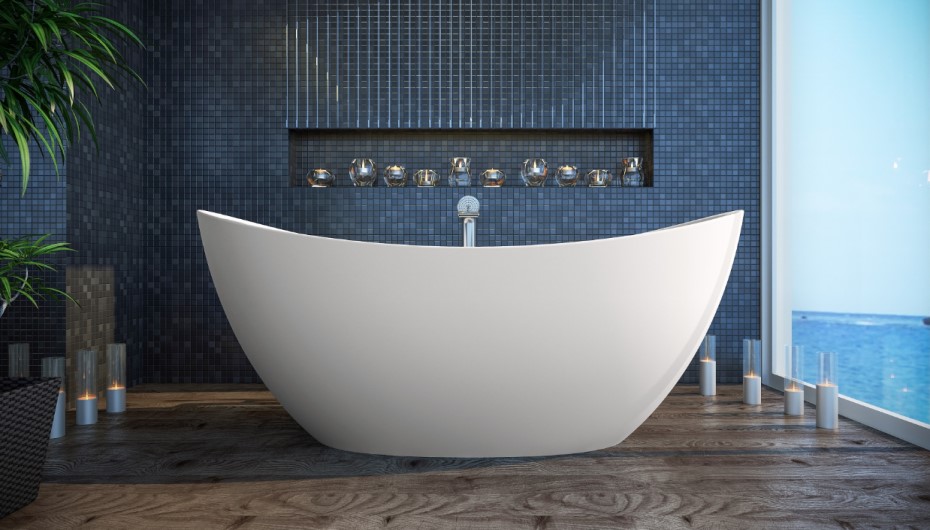
Various materials are used in the manufacture of bathing tubs, which have varying weights and durability:
- Acrylic is lightweight, affordable, and easy to maintain
- Fiberglass: Cheapest option, but less durable
- Cast iron: very heavy, durable, and excellent at retaining heat
- Porcelain-enameled steel Strong and budget-friendly
- Stone resin or solid surface, Premium look with great heat retention
- Copper Luxury option, very durable, and visually unique
Water Heater Capacity

The bigger the tub, the more hot water it will require. Be sure your water heater has enough capacity to supply the necessary amount of water for the tub. If you’re using deep soaking tubs, consider getting a bigger or tankless water heater.
Floor Strength
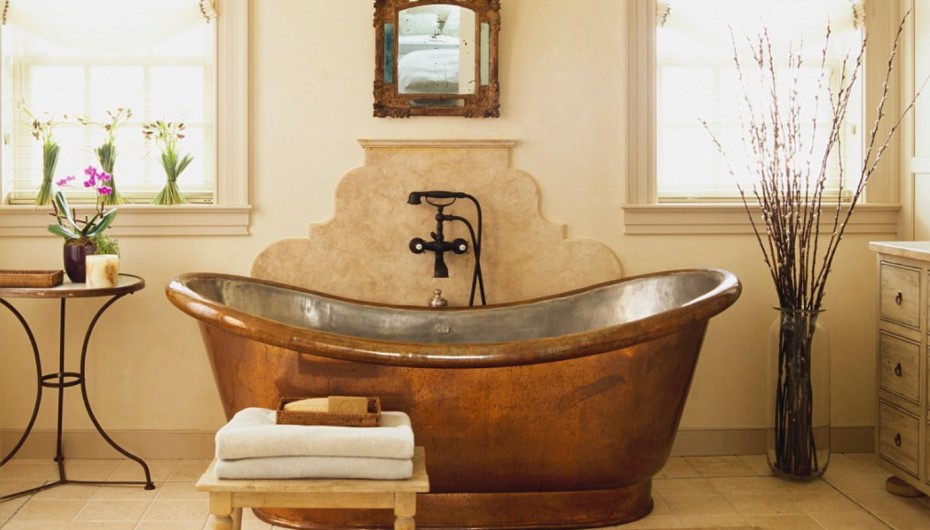
An entire bathtub can be 200 or more pounds. If using heavy materials such as cast iron or stone resin, ensure the floor will support the weight. This is particularly the case in upper-storey bathrooms.
Budget
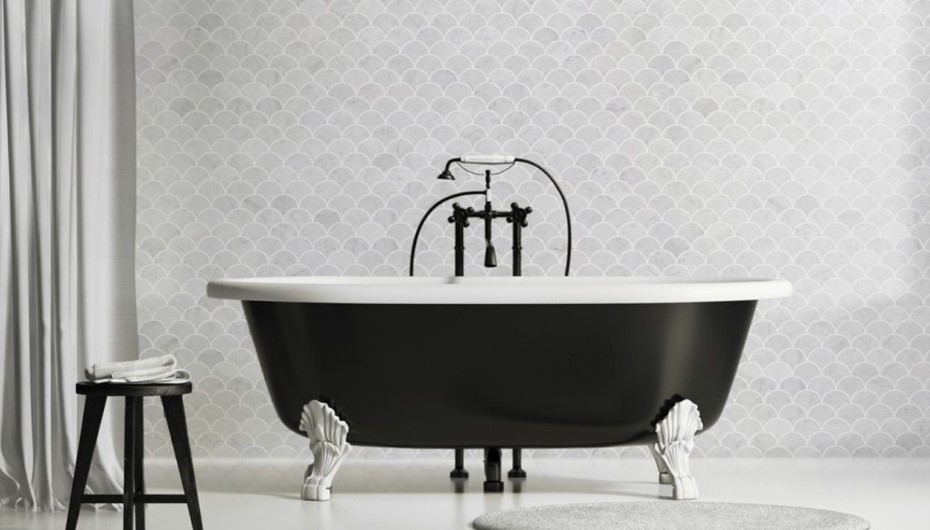
Alcove tubs are the cheapest, and freestanding, whirlpool, and walk-in tubs are more expensive. Establish a cost limit, encompassing the tub cost along with the installation and any plumbing or structural modifications.
Personal use and family use.
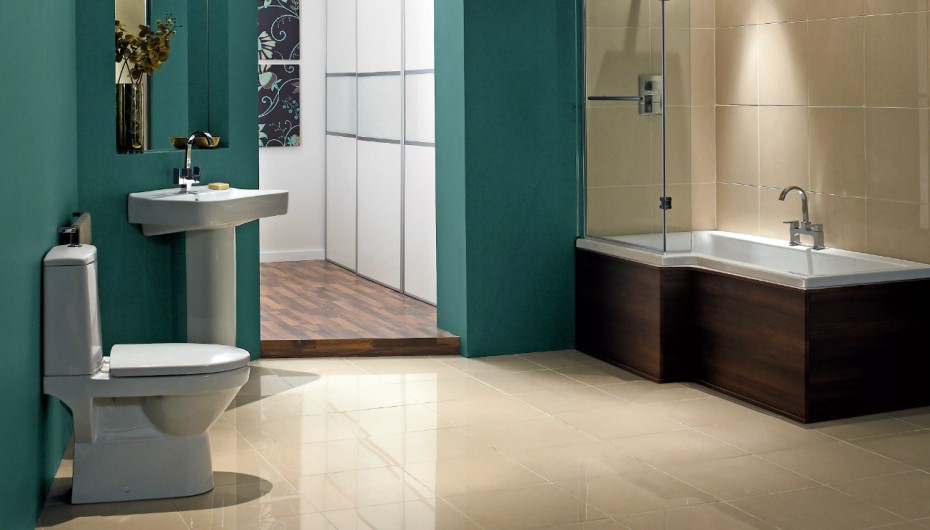
A standard alcove tub with a shower combo is sensible if the tub is going to be utilized by youngsters. Deeper soaking tubs or free-standing tubs can provide more luxury for private master suites.
Different Bathing Tubs and Their Sizes for Various Users
The correct dimension of the bathtub also depends on the person who will be using it on a day-to-day basis. Below are a few quick tips:
- Taller users: For full leg support, opt for tubs that are 66 to 72 inches in length.
- For shorter users or kids: A 54 to 60-inch tub is more than enough.
- Couples: Find tubs 36” to 40” wide and 70” or longer.
- Elderly users: Walk-in tubs are best, with safety features.
Standard Tub Sizes in Different Regions
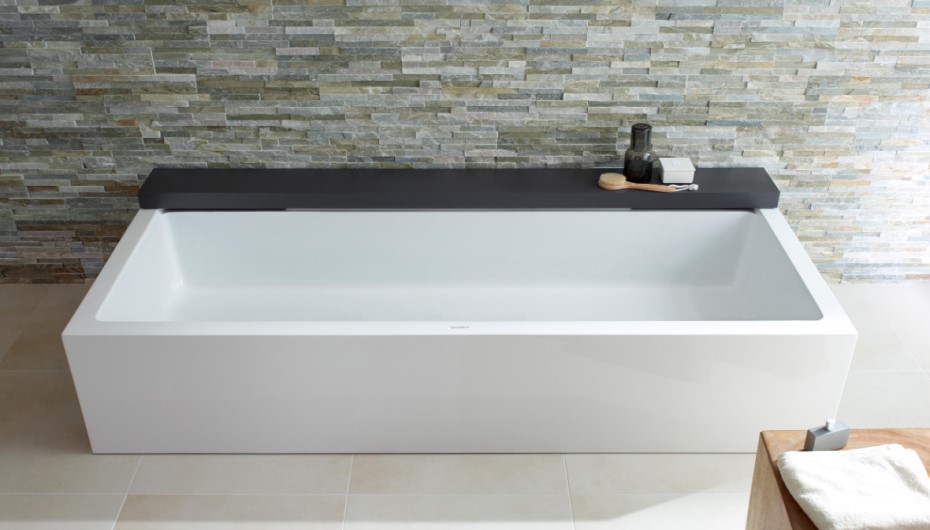
The dimensions of bathing tubs may slightly differ from country to country.
- United States: The standard alcove tub is 60 x 30 inches (152 x 76 cm).
- United Kingdom and Europe: Bathtubs commonly measure 1700 x 700 mm (around 67 x 27.5 inches).
- Asia and the Middle East: Compact tubs of 1500 x 700 mm (around 59 x 27.5 inches) are common in apartments, while luxury homes often install larger freestanding or soaking tubs.
When purchasing from other countries, be sure to look at both the inches and the centimeters to prevent any misunderstandings.
Common Mistakes to Avoid When Choosing a Bathtub Size
There are many homeowners who do some minor things that can cause serious issues down the road. These are several to be aware of:
- Forgetting to measure doorways, a tub that fits the bathroom but cannot get through the door is a real issue.
- Ignoring water heater limits, a large tub with cold water is not relaxing.
- Not checking floor strength. Heavy tubs can cause damage to weak floors.
- Choosing only by looks, a beautiful tub that is too small or too big will not work well.
- Skipping clearance space. No space around the tub makes cleaning hard and the bathroom uncomfortable.
Conclusion
The initial step in picking the right bathing tub is comprehending the common size ranges. A typical bathtub size is 60 inches long by 30 to 32 inches wide by 14 to 20 inches deep, but there are other sizes available to fit your space, budget, and bathing style.
Measure your bathroom, think about what you need it for, and review important factors such as material, water holding capacity, and floor strength prior to purchasing. From a family bath’s basic alcove bathtub to a freestanding version for the master bath, the perfect dimensions will ensure comfort, safety, and years of enjoyment for your bathing experience.
Armed with the tips, types, and dimensions included in this guide, you can make a confident decision on the bathing tub to select and ensure it is an asset to your home and fits well in your bathroom.
Frequently Asked Questions (FAQs)
What is the most common standard bathtub size?
Answer
The most popular standard tub configurations are 60 inches in length, 30 inches in width, and 14 to 16 inches in depth. The size of an alcove tub is the usual size in most homes.
What is the standard bathtub size in feet?
Answer
The average bathtub dimensions are approximately 5 feet in length, 2.5 feet in width, and slightly more than 1 foot in depth (in feet).
How deep should a bathtub be?
Answer
The depth of a standard bathtub is 14 to 20 inches. If you want to soak your entire body, opt for a tub that is 20 inches or deeper.
How much water does a standard bathtub hold?
Answer
The amount of water in a standard alcove tub is about 35 to 50 gallons. Soaking tubs are available with a capacity of up to 80 gallons or more.
Can a bathtub fit in a small bathroom?
Answer
Yes. If you have a small bathroom, then alcove tubs as small as 48 to 54 inches long are made to fit in your space. Corner and walk-in tubs are also good space-saving options.
What is the standard size of a freestanding tub?
Answer
Typically, freestanding tubs are 55 to 72 inches long, 27 to 32 inches wide, and 15 to 20 inches deep.
Are bathtub sizes the same worldwide?
Answer
Not exactly. The sizes are comparable, but the actual dimensions vary by region. Measurement is done by inches in America, and by millimeters in Europe and Asia.
How much space do I need around a bathtub?
Answer
Allow for 6″ clearance between the tub and wall/fixture. On freestanding tubs, leave 4-6″ around the tub for cleaning and balance.
Also Check: