You’ve just installed a brand new refrigerator, or the power grid may have just come back on after an outage, and you’re faced with the refrigerator door and wondering when it is safe to put your food inside. One of the most frequent questions homeowners have is that one of the answers is more complex than a single number.
Although, it takes almost 2 to 24 hours for a refrigerator to get cold. The more specific you are with your brand and type, the more accurate answer you’ll get. Don’t worry as the team of styleofhome.com is here to cover detailed information about how long does a fridge take to get cold.
How Long Does a Fridge Take to Get Cold?
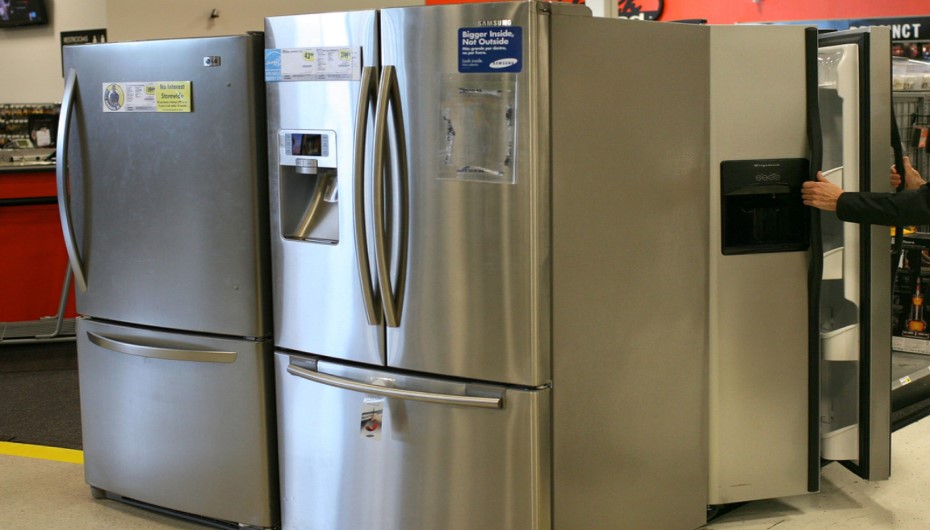
A refrigerator requires 4 to 24 hours on average to get to a safe food storage temperature. Most modern full-size refrigerators will cool to the recommended 40° F (4° C) or below in 12 hours; smaller mini-refrigerators, in 2 to 4 hours.
New refrigerator manufacturers such as Whirlpool and GE suggest waiting 24 hours before putting a full load of perishables in a new refrigerator, so it can reach its full stable temperature.
Refrigerator Cooling Time (Type) (Comparison Table)
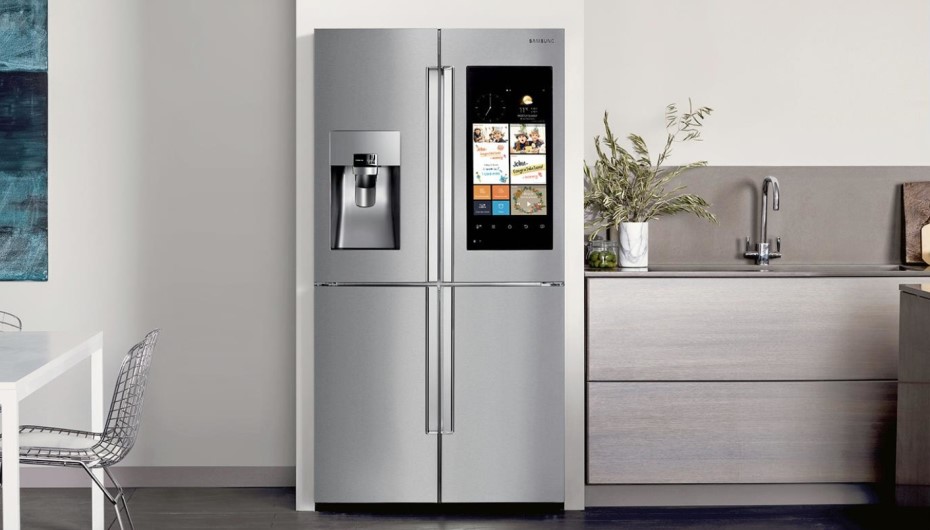
There are varying cooling times for the different types of refrigerators. Based on industry data, here is a breakdown of average cooling times:
| Refrigerator Type | Average Cooling Time | Notes |
|---|---|---|
| Mini Fridge (new) | 4 to 6 hours | Smaller volume cools quickly. |
| Mini Fridge (used, replugged) | 2 to 4 hours | Already cold internal materials. |
| Top-Freezer Refrigerator | 6 to 12 hours | Most common household model. |
| Side-by-Side Refrigerator | 8 to 14 hours | Larger interior, slower cooling. |
| French Door Refrigerator | 8 to 12 hours | Multiple compartments to stabilize. |
| Full-Size Household Fridge (new) | 12 to 24 hours | Recommended full stabilization time. |
| Full-Size Household Fridge (replugged) | 4 to 8 hours | Faster than first-time setup. |
| Commercial Refrigerator | 1 to 5 hours | Stronger compressors and fans. |
| RV / Camper Fridge (absorption type) | 24 hours or more | Slower cooling without compressor. |
These ranges align with the 2 to 24 hour spread reported by appliance retailers and manufacturer help pages.
The Ideal Refrigerator Temperature
Before talking about cooling times, it’s important to understand what is meant by “cold enough. Before talking about cooling times, it’s important to understand what is meant by “cold enough.” Safe storage temperatures are: (According to the U.S. Food and Drug Administration (FDA)):
- Refrigerator: at or below 40°F (4°C). The ideal temperature range is generally believed to be 35°F to 38°F.
- Freezer: at or below 0°F (-18°C).
The danger zone is defined as 40°F or higher in the refrigerator, where disease-causing bacteria can quickly multiply when perishable foods are exposed. It is for this reason that it is so important to wait for the right temperature for the storage of food.
Factors That Affect How Long a Fridge Takes to Cool
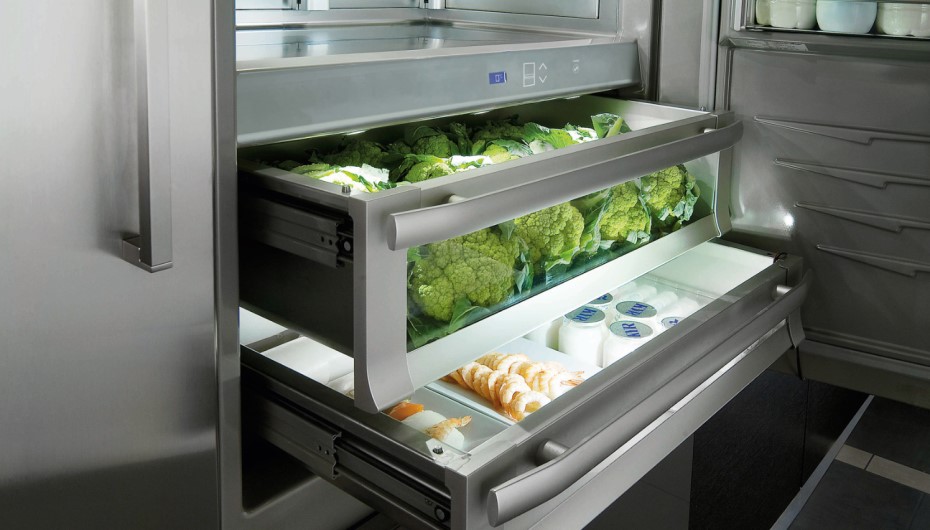
Not all refrigerators have the same cooling time. Some real-world considerations determine if it will take 4 hours or 24 hours to get your fridge to a safe temperature.
Size and Internal Volume
The larger the fridge, the greater the amount of air and surface area to be cooled. It will, of course, take longer for a 25 cubic foot French door unit than a 1.7 cubic foot mini-fridge. This is why smaller models cool off the quickest.
Room Temperature (Ambient Temperature)
When your kitchen is hot, your fridge will have to expend more energy to clear heat. The fridge cooling rate in a 90°F garage during the summer is slower than when the fridge is in a 70°F air-conditioned kitchen. During a hot period of time, the cooling system can even begin to overwork itself.
Whether the Fridge Is New or Used
A brand new refrigerator is usually 8-12 hours or more, as everything in the refrigerator, plastic shelving, insulation, and metal walls, is at the warm temperature of the warehouse or truck. Unplug and temporarily use a used fridge, as the inside components are still fairly cool and it will cool down faster, usually 4 to 8 hours.
Compressor Power and Cooling System Type
Refrigerators that have more powerful compressors and fan-assisted (forced air) cooling systems cool faster due to the way they move the cold air around. That’s how commercial refrigerators are able to reach the correct temperature in just 1 to 5 hours despite being large.
Insulation Quality
The colder the air inside the fridge, the more stable it will be, which is why it is important to insulate it well. Older and less expensive refrigerators that have lower insulation ratings cool less efficiently because they leak cold air through the walls and door gaskets.
Door Openings
Every time the fridge door is opened, warm air enters the fridge and cold air leaves during the first cooling phase. This can increase the cooling time by hours. One of the easiest ways to get the job done quickly is to keep the door closed.
Initial Load
Don’t immediately load a new refrigerator with warm food. When food is added while the unit is hot or at room temperature, the unit has to cool the food as well as the air, which slows down the process.
Correct positioning and ventilation
A refrigerator should have a space of at least a few inches between the condenser coils and the wall in order to allow heat to dissipate from the coils. If the refrigerator is tightly against a wall or is squeezed between cabinets, cooling will be slower.
How Long Does a New Refrigerator Take to Cool After Delivery?
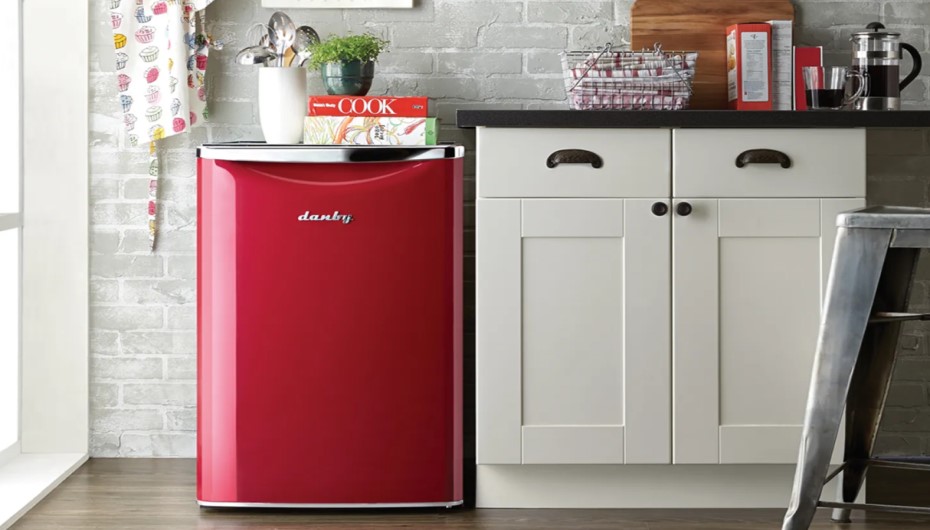
Find Out Your Refrigerator’s Cooling Time
This is the most typical situation and needs a little patience. Most full-size refrigerators require 8 to 12 hours to come to operating temperature and 24 hours to stabilize completely, according to Whirlpool’s official instructions. GE Appliances suggests settling for 24 hours.
There’s one step that many people overlook, too:
Wait before plugging it in. The compressor oil may have been drawn into the refrigerant lines if your refrigerator was moved on its side or down. According to manufacturers such as Beko, the appliance should be left upright and unplugged for a minimum of 4 hours before turning it on. If the units are carried on their side, some techs say to wait as long as 24 hours. Don’t plug in too early, or compressor damage will result.
Once the freezer is plugged in, it will normally feel cold after about an hour, and the fresh-food compartment takes longer to come to temperature.
How Long Does a Fridge Take to Cool After a Power Outage?
If the refrigerator was already cold and the power was out for a short period of time, it will take less time to recover. Most household refrigerators will regain a safe temperature within 2-4 hours after power is restored, if the refrigerator door was not opened during the outage.
A helpful suggestion from the FDA: A full freezer will keep food safe for approximately 48 hours without power if the door remains closed, and a refrigerator will maintain good temperatures for approximately 4 hours.
How to Check the Temperature of the Refrigerator
Do not use the “feels cold” test, particularly when it comes to food safety. Here are some methods to check:
- Use an appliance thermometer. A simple fridge thermometer costs only a few dollars and is the most accurate method. Place it in the middle shelf and check after 24 hours.
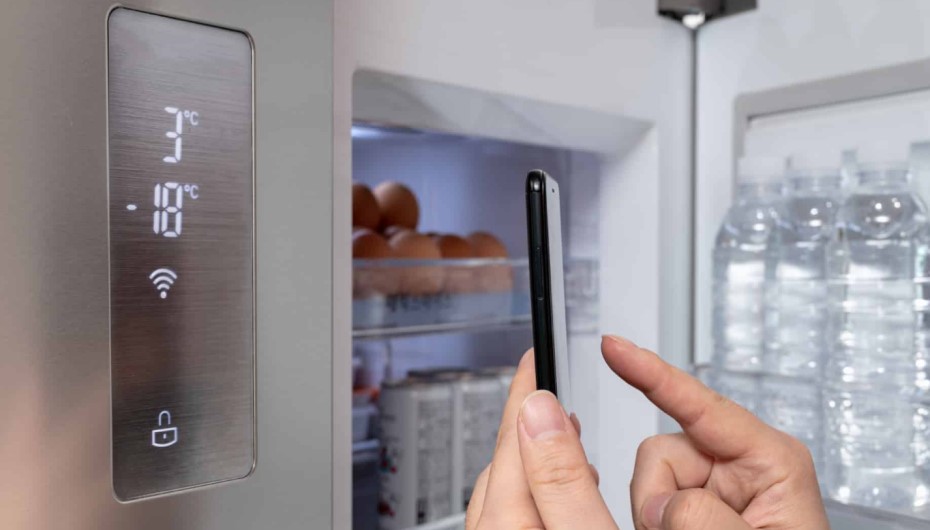
- Read the digital display. Many modern refrigerators have a built-in temperature readout on the control panel.
- Test with water. Place a glass of water inside, wait several hours, and check if it feels properly chilled. This is less precise but useful in a pinch.
If the unit has not been able to get down to 40°F or lower after 24 hours, there may be a problem (details below
8 Ways To Make Your Fridge Cool Faster
You can’t violate the laws of thermodynamics, but you can certainly reduce cooling time with the following simple steps:
- Set the temperature to the coldest setting initially. After the fridge has cooled down to the correct temperature, adjust it to the recommended temperature (Approx 37°F).
- Don’t leave the door open. Don’t look inside. For every opening, the cooling time is added to the total cooling time.
- Put in chilled water bottles or bags of ice. Cold items will help the fridge cool down quicker and are thermal mass to create a buffer to hold the cold.
- Make sure the fridge is empty during the first cool-down. An empty fridge cools faster than a fully loaded one full of warm groceries.
- Allow space behind and around the unit. Leave at least 2 to 3 inches between the back of the fridge and the wall for proper airflow.
- Keep the kitchen cool. On a very hot day, during the cool-down time, do not bake, run the dishwasher, or open windows.
- Clean condenser coils. When the fridge is used, the dirty coils reduce the efficiency of cooling. Regular vacuuming (6-12 months) will help it perform well.
- Use the “Fast Cool” or “Super Cool” feature. Many modern refrigerators (like Bosch and LG models) have a button that drops the temperature rapidly for several hours before switching off automatically.
When Is It Safe to Add Food to a New Fridge?
The rule of thumb to follow is: “Wait until the refrigerator is 40° F or lower and the freezer is 0° F or lower to put the perishables in. That will usually be at least 12 and preferably 24 hours after being plugged in for most full-size models.
In the meantime, store perishable groceries in:
- A cooler with ice packs or bags of ice
- A neighbor’s or friend’s fridge
- The freezer compartment, if it has cooled first (often within a few hours)
Certain foods don’t need short-term refrigeration, such as butter, bread, pickles, hot sauces, apples, avocados, potatoes, and onions, so you can leave them on the counter until you are able to refrigerate them.
Why Is My New Fridge Not Cooling? Common Issues to Check
Don’t lose heart if the fridge has been connected for over 24 hours and the temperature is still above 40°F. Here are some things to check off before calling in a technician:
- Demo Mode is on. Many display models, especially Samsung and LG units, ship in “Demo” or “Cooling Off” mode to save electricity in showrooms. Check the manual for the button combination to disable it (often the display will show “OF” or “O FF”).
- The temperature was set wrong. Make sure the thermostat is on the correct setting and not on a “vacation” or “off” mode.
- The door seal is faulty. Test by closing the door on a piece of paper. If you can pull it out easily, the gasket needs replacing.
- Vents are blocked. Items pushed against the back wall can cover the cold-air vents and stop circulation.
- The condenser coils are dirty. This applies to older or used units rather than brand-new ones.
- The fridge is too close to the wall. Heat cannot escape, so the cooling cycle stays inefficient.
- A fault with the compressor or refrigerant. This requires a professional technician.
After 24 hours, if all seems well, but the fridge still does not cool, then contact the manufacturer or retailer. Most of the new units have a warranty for defects.
Conclusion
Obviously, a fridge won’t get cold immediately, and that is intentional. Household refrigerators can take 4-24 hours to get to a safe refrigeration temperature, and for full-size refrigerators, 12 hours is the typical time. The smallest fridge is the fastest cooling, and the largest French door fridge would be the slowest.
There’s an easy answer: If you plug in the fridge, set the thermostat to the recommended temperature, keep the door shut, and wait for at least 12 hours (24 hours for a new refrigerator), you’ll have a fridge that’s ready to store perishables. Before putting food into the refrigerator, always check the refrigerator temperature with a fridge thermometer and make sure it is 40° F or lower. Taking a few moments at the beginning can save your food, appliance, and grocery money.
Frequently Asked Questions
How long does a Samsung or LG fridge take to cool?
Answer
The typical Samsung and LG full-size fridge requires between eight and 24 hours to completely cool. Samsung specifically recommends that the compressor start to operate within seconds when it is plugged in, and the unit should reach the right temperature within 24 hours.
Does putting ice in a new fridge help it cool faster?
Answer
Yes. When the fridge is cooler, it doesn’t have to work as hard to maintain the temperature, and the bags of ice or pre-chilled bottles of water provide “thermal mass” to keep the cold in the fridge.
Can I plug in my fridge right after delivery?
Answer
Usually no. When the fridge is transported upright, the power can be connected in 1 or 2 hours. Allow the compressor oil to settle if it has been laid on its side at any time; this should be done for at least 4 hours and preferably 24 hours. If you insert the plug in too early, the compressor may be damaged.
Why does my freezer get cold but the fridge does not?
Answer
This is normal for the first few hours of cooling. The freezer is the first to get to the desired temperature as cold air settles there, and the cooling system first cools the freezer compartment. It will generally take another couple of hours for the fresh-food side to noticeably be cold.
How long should I run a fridge before putting food in it?
Answer
A good guideline is to delay adding a full load of food for at least 12 hours to 24 hours after buying a new refrigerator or after the refrigerator has been connected to a power source after a power failure.
Is it bad to keep opening the fridge while it cools?
Answer
Yes. When the door is opened, warm air can enter, and cool air can leave, increasing the cooling time. Close the door for the first few hours.
Read More.