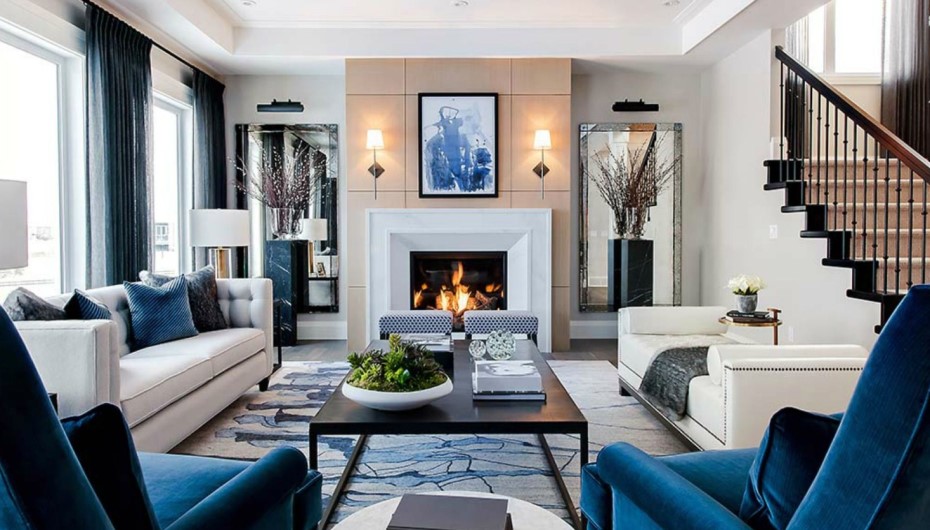
The rectangular living room is one of the most prevalent living room shapes in modern homes, but it is one of the most challenging ones to decorate. The long, narrow footprint can leave you puzzling at where to fit the sofa, where to put the television, and how to avoid a hall-like feel. The best news is that, with the appropriate planning, a rectangular living room can feel balanced, spacious, and welcoming.
In this article, the team of styleofhome.com will cover the living room arrangements of rectangular living rooms. We’ll also share some unique and eye-catching rectangular living room ideas.
Why Rectangular Living Rooms Feel Challenging
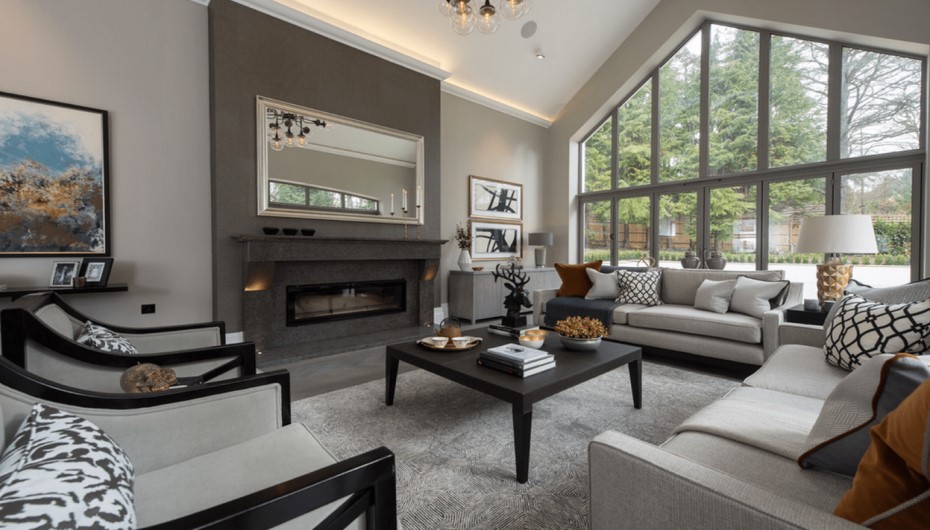
To gain insight into solutions, it is important to first understand why rectangular rooms can be problematic. Three problems cause most issues.
The first is known as the “bowling alley” effect. If a room is very long and narrow, the eye is drawn in one direction and the other, creating a sense of imbalance. The next issue is traffic congestion. Often, doorways and windows are in odd locations, as are built-in items like fireplaces, making furniture placement a challenge. The third problem is that there is no focus. Even if the room is completely furnished, without a strong centre focus, the room can seem incomplete and scattered.
Luckily, there’s a design solution out there for every challenge. With proportions, flow, and a focal point taken care of, everything else will fall into place.
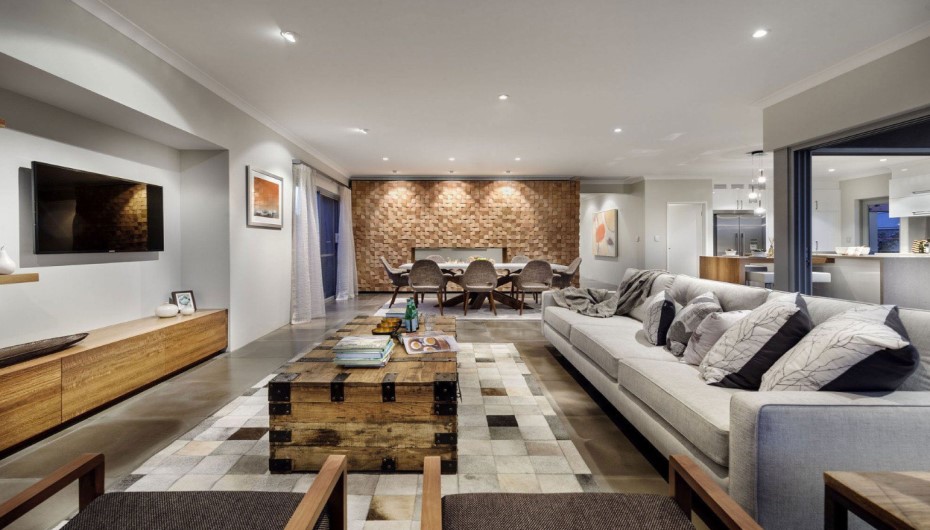
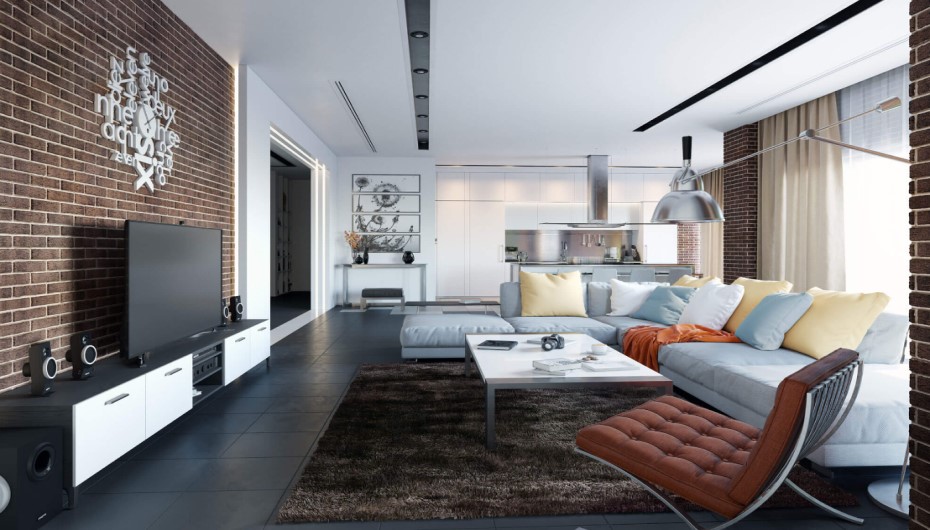
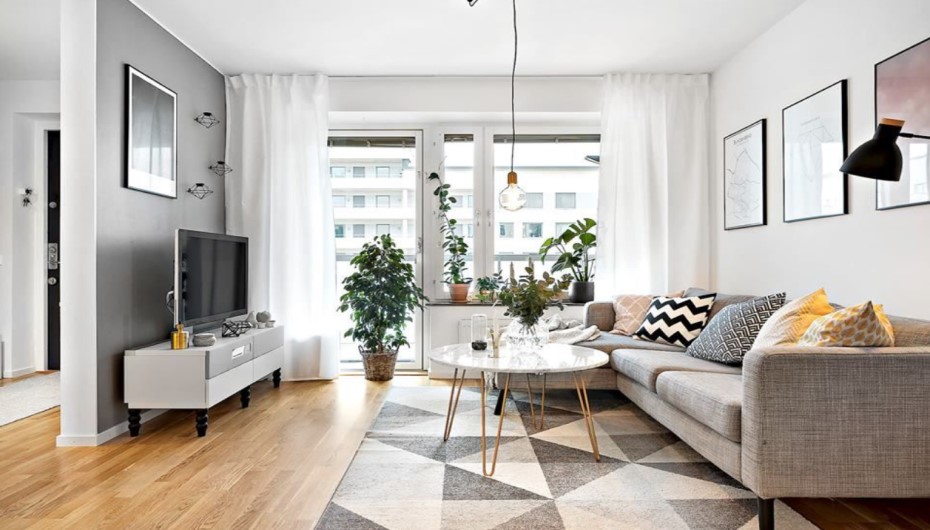
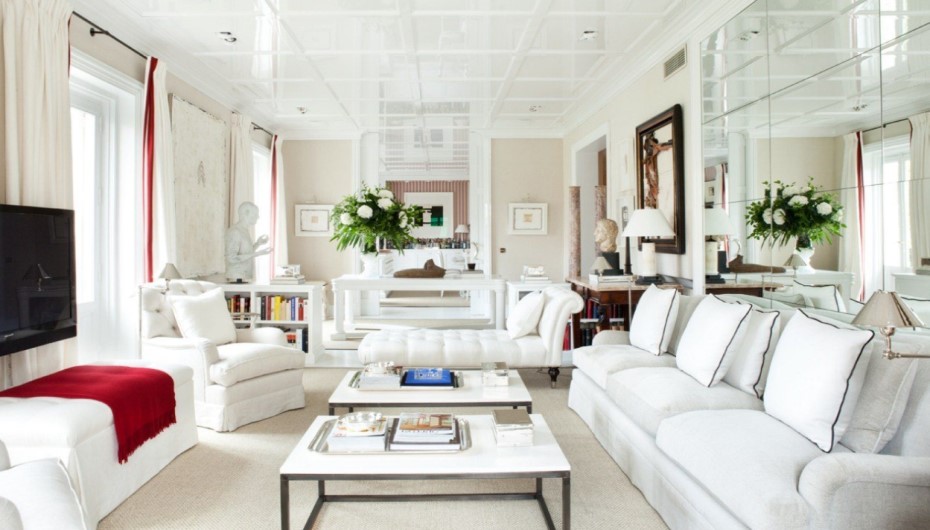
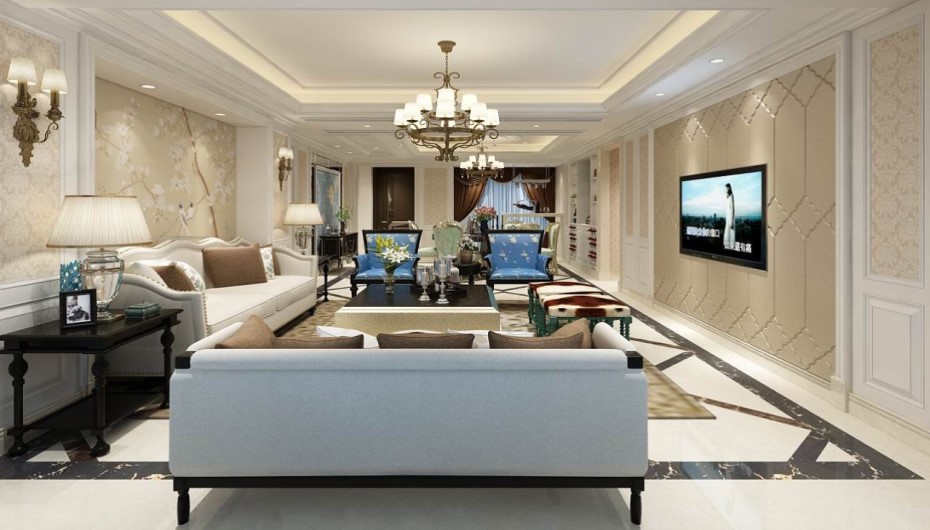
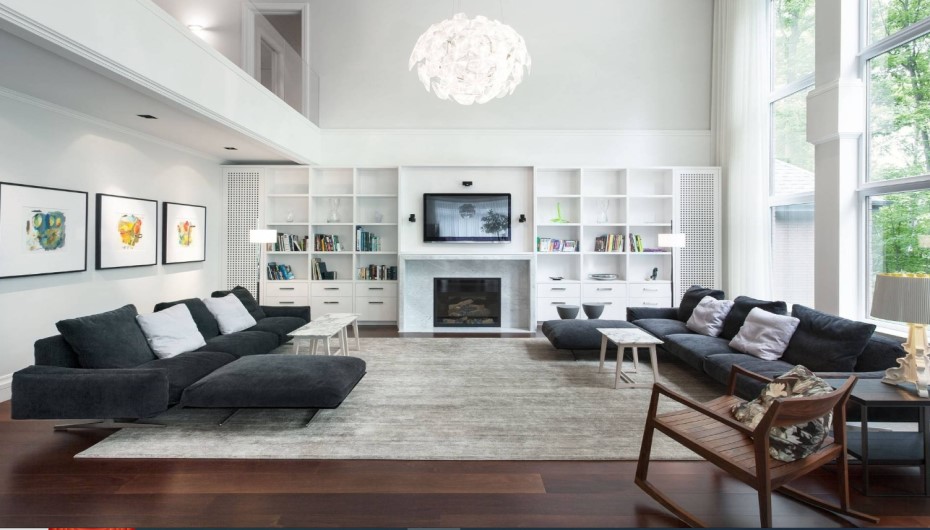

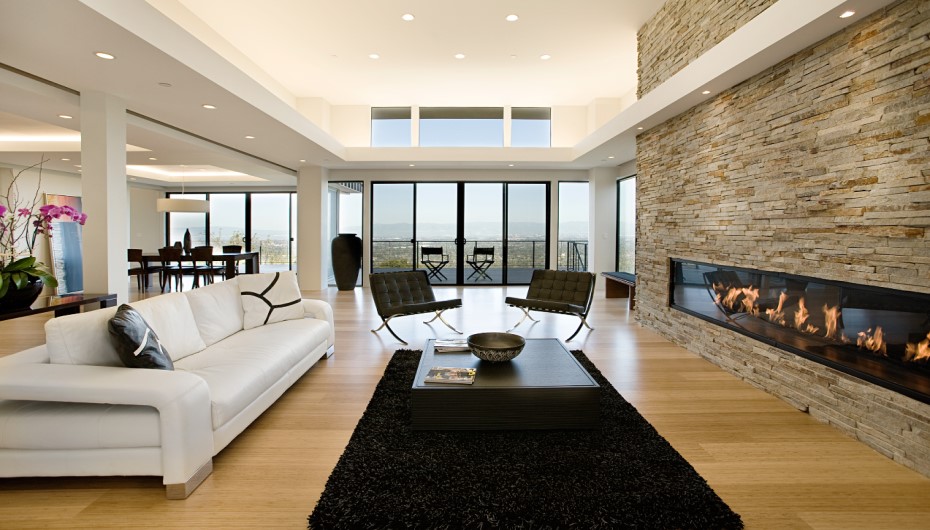
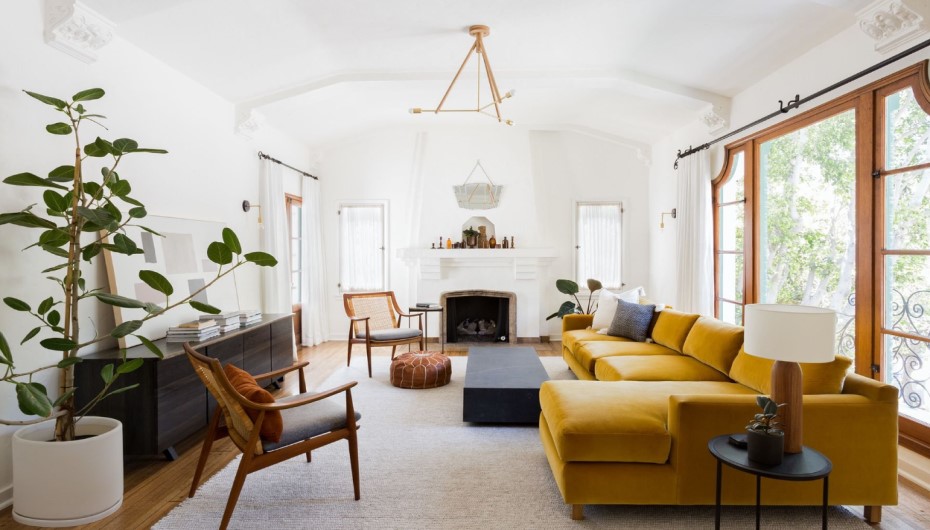
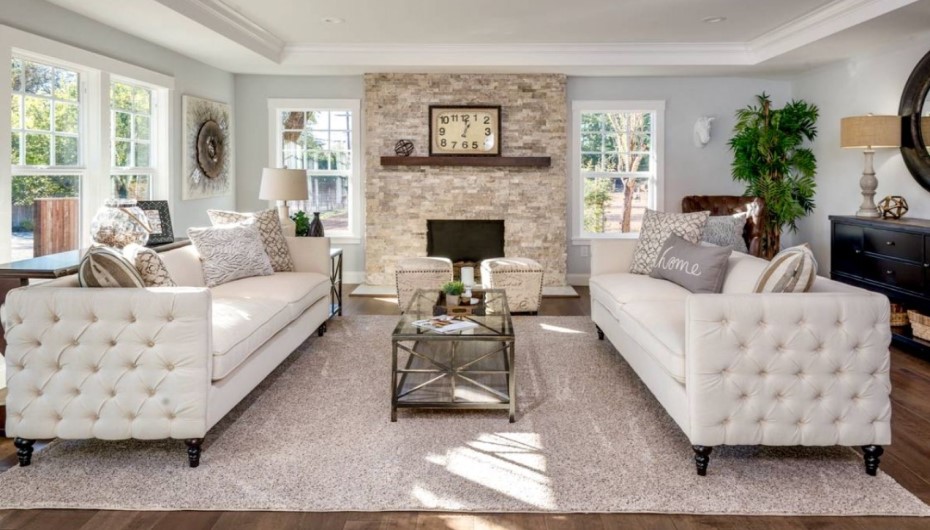
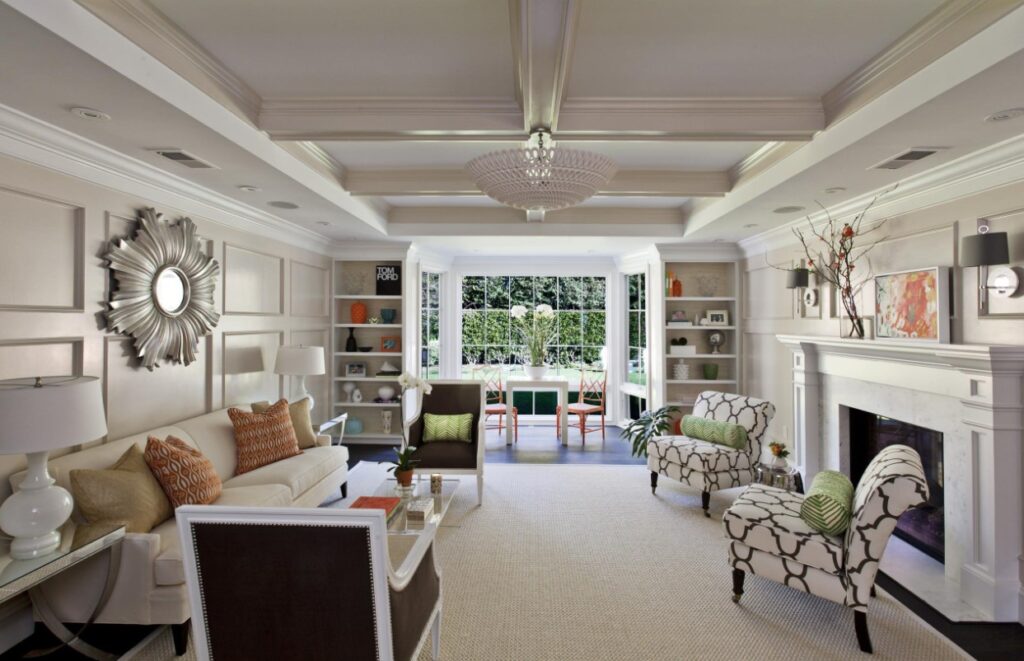
Step 1: Measure the Room and Make a Floor Plan
All great square living room ideas start with a floor plan. The most frequent reason furniture looks odd is because they skip this step.
The first step is to measure the length and width of the room, the height of the ceilings, and the location of all doorways, windows, radiators, and electrical outlets. On a simple sketch, indicate each fixed feature. Then measure all the furniture you intend to utilize or purchase. Write the dimensions and label them.
Then, use graph paper or a free online room planner to create a scaled drawing of the room. Draw or cut out paper cut-outs of your furniture and place them around to find the best fit. This will take some 30 minutes and will save hours of physically moving heavy stuff later. It also allows you to see up front if the sofa will be too long, the coffee table is too wide, or if the walkway will be too narrow.
One basic rule of thumb is that you need at least three feet of space for a major walkway, two and a half feet of space between furniture, and 18 inches of space between a sofa and the coffee table.
Step 2: Establish a Strong Focal Point
Each thoughtfully designed living room features a central focus point. In a rectangular space, this is even more significant as the focal point provides eye relief and counteracts the long space.
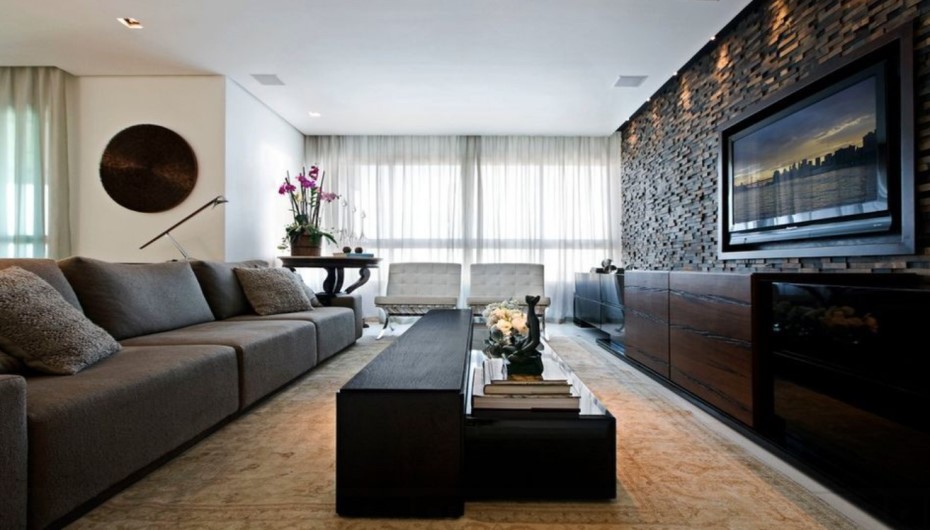
Find something that is already in place in the room. Architectural niches, large picture windows, and fireplaces are all great places to make a focal point. If you don’t have a built-in feature, you can use a feature wall, a large piece of art, a media unit, or a tall bookcase to make one.
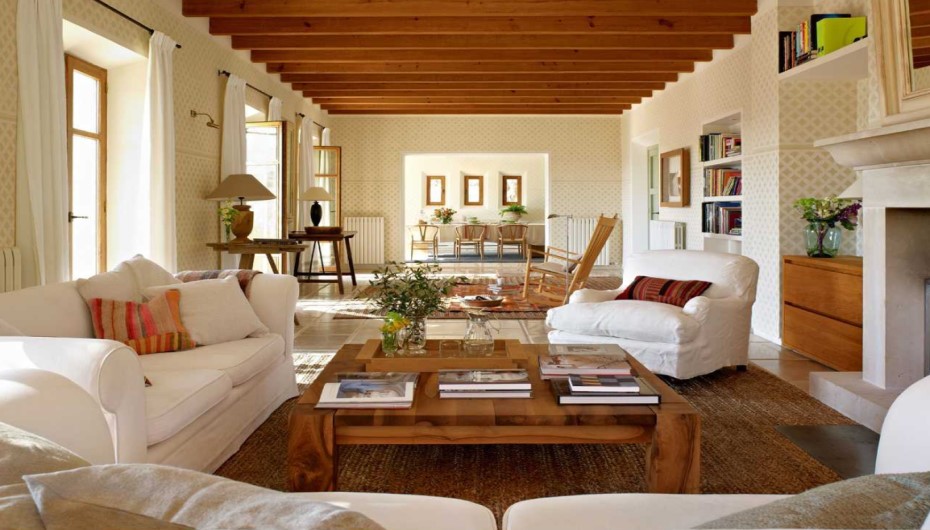
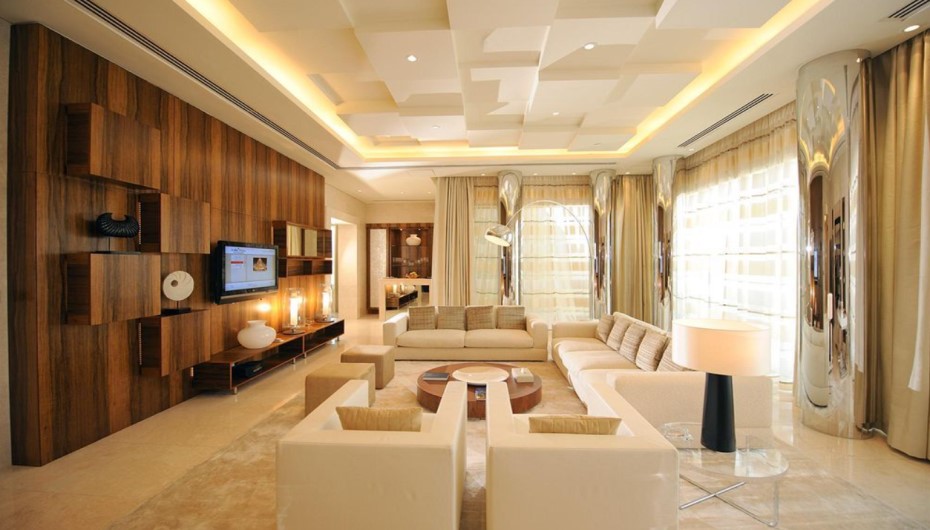
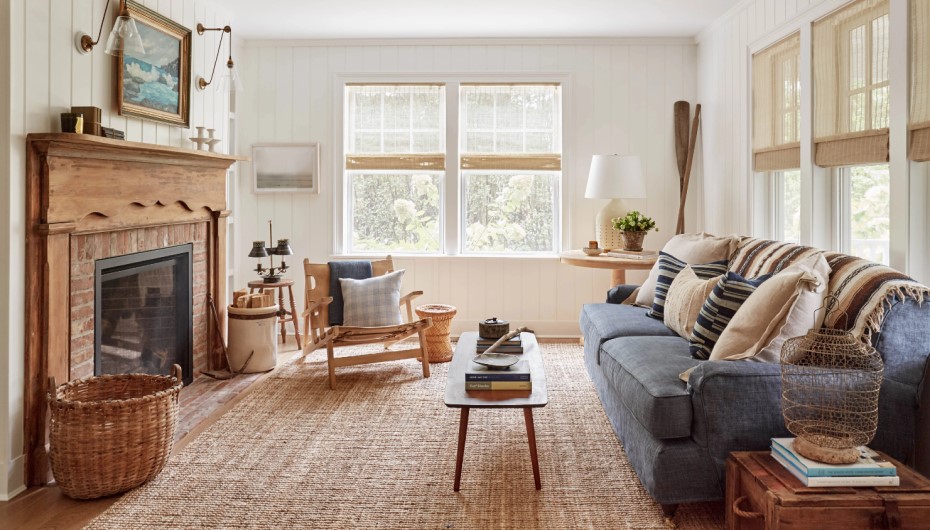
In longer rectangular rooms, you might even require two focal points, one at each end of the room. For instance, the fireplace and primary seating space might be on one end, while the other end could have a console table with a mirror or art. This will even out the area visually, and each end will appear intentional.
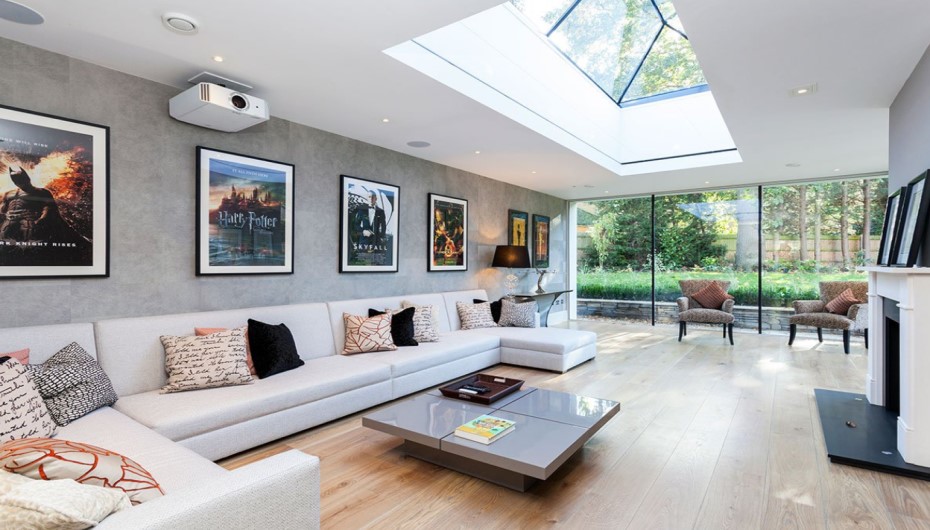
Step 3: Divide the Room into Zones
The most effective method for a long rectangle living room is zoning. Rather than attempting to do one large room with one design, consider creating two or three smaller, functional spaces.
Typical zone combos are for the main seating area to be used with a reading nook, a TV lounge to be used with a small home office, or a living area with a casual dining area. All zones should have a purpose, but there should be a similar colour scheme and style across all zones to create a cohesive room.
There are a variety of ways to define zones. The most popular way is area rugs, which can establish distinct visual boundaries without obstructing the line of sight. Another soft divider is a large open bookcase, a narrow console table behind a sofa, or a line of plants. Lighting is helpful too; providing a pendant over one zone and floor lamps in another will indicate that these are different spaces.
A good guideline is to use only two primary areas in a small or medium-sized room. If it’s not a large room, three or more zones will make it feel crowded.
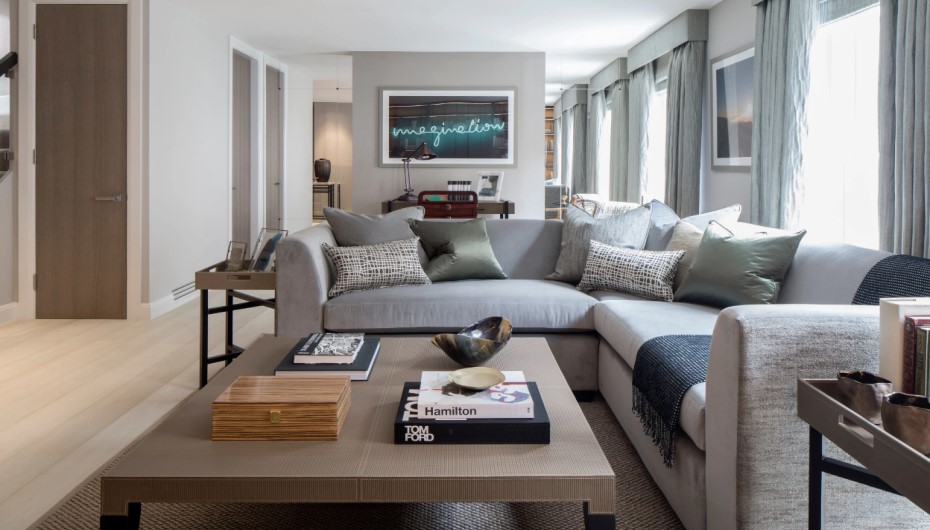
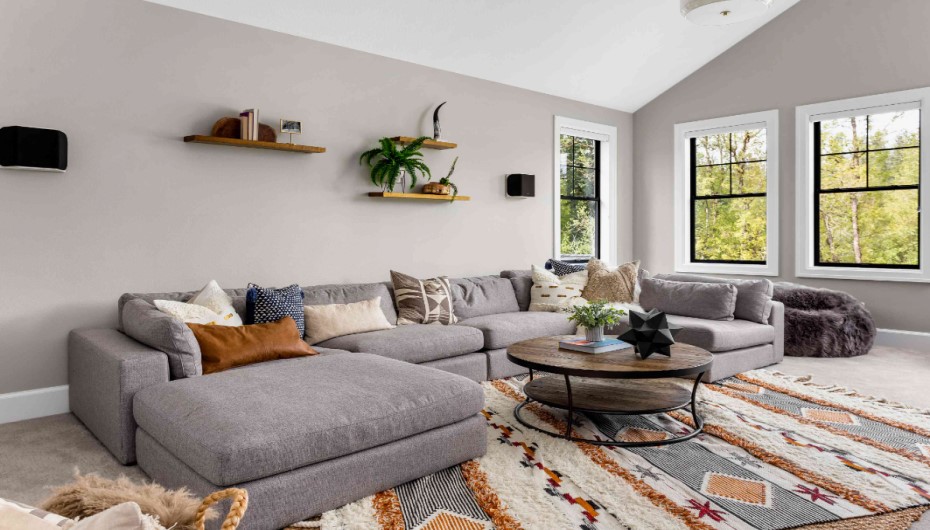
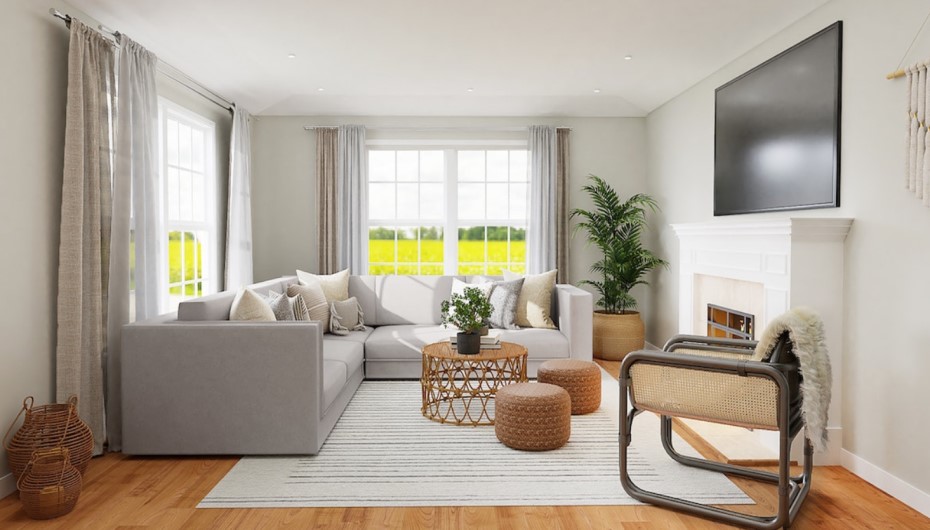
Step 4: Float the Furniture Instead of Pushing It Against the Walls
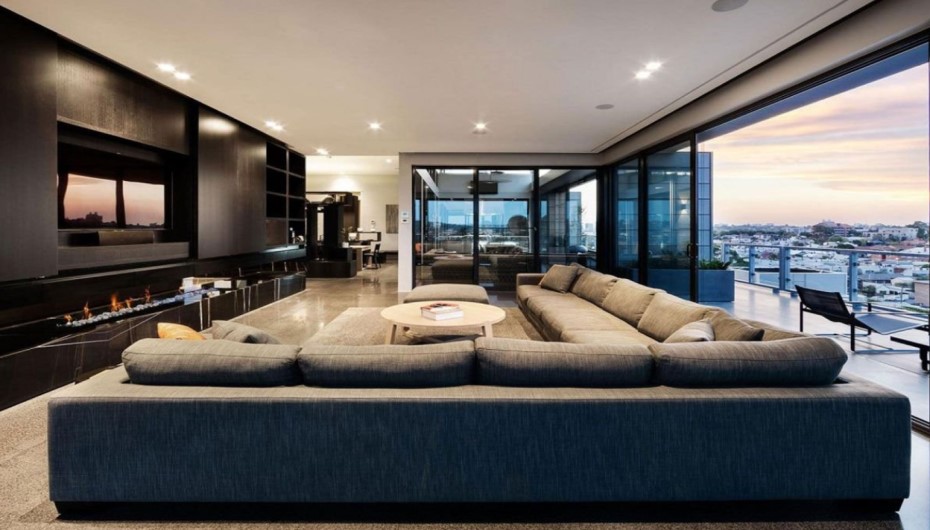
Another popular error in a rectangular living room is having all of the furniture against the walls. This is popularly thought to result in more open space, but it tends to produce the reverse result. The room becomes a corridor with a broad path devoid of people and seating located in the middle of the room, which makes it difficult for people to talk to each other.
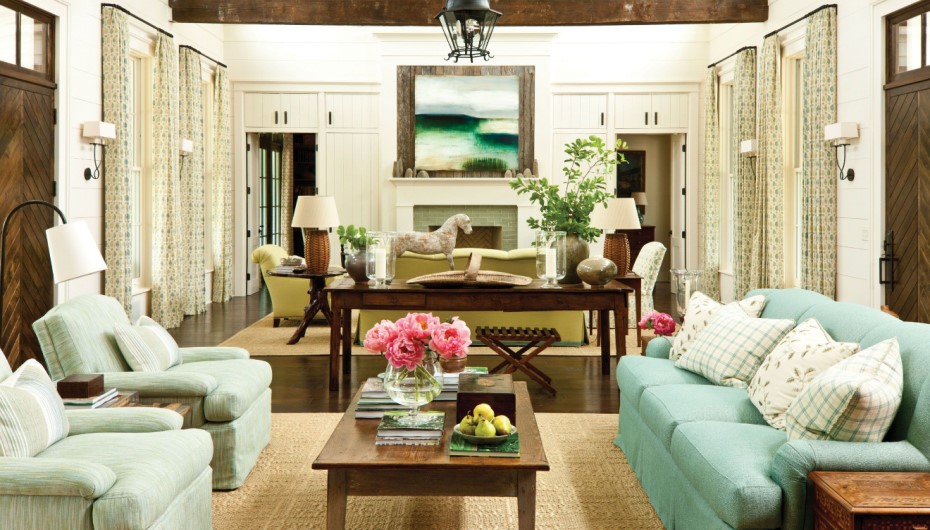
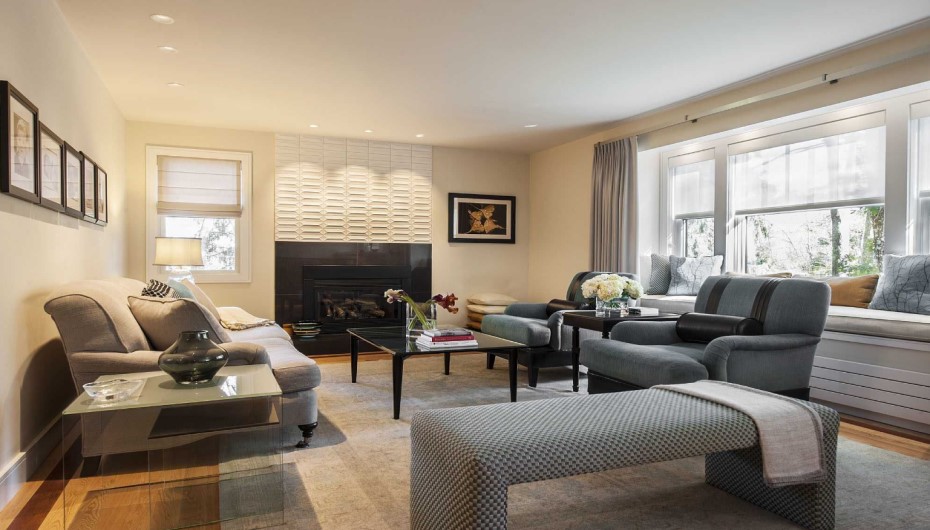
Rather, move the seating further away from the walls. Set the sofa back one foot or two from the back wall and fill in the space between the sofa’s back and the wall with a narrow console table. Break up straight lines with armchairs set at an angle, or set two loveseats diagonally instead of end to end.
This is how the concept of intimacy, conversation, and a sense of the room being a designed space and not a waiting area was created by floating the furniture.
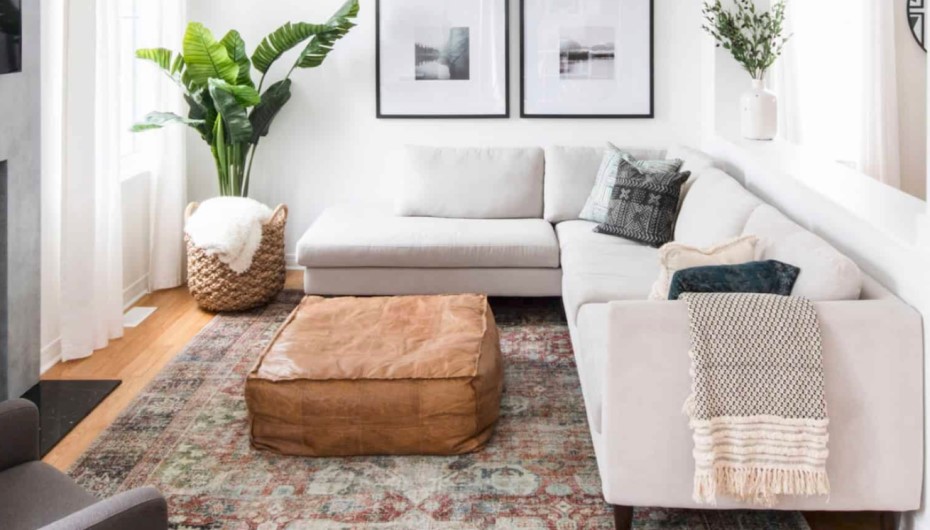
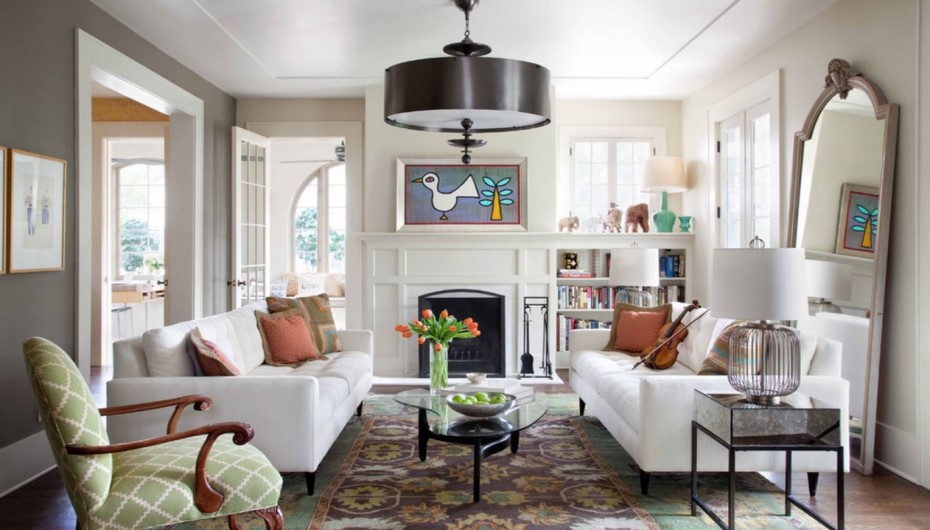
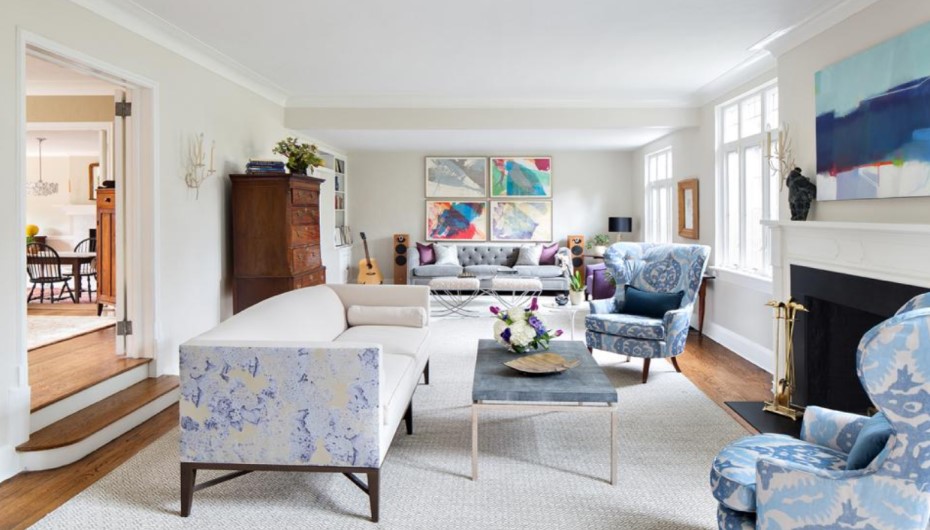
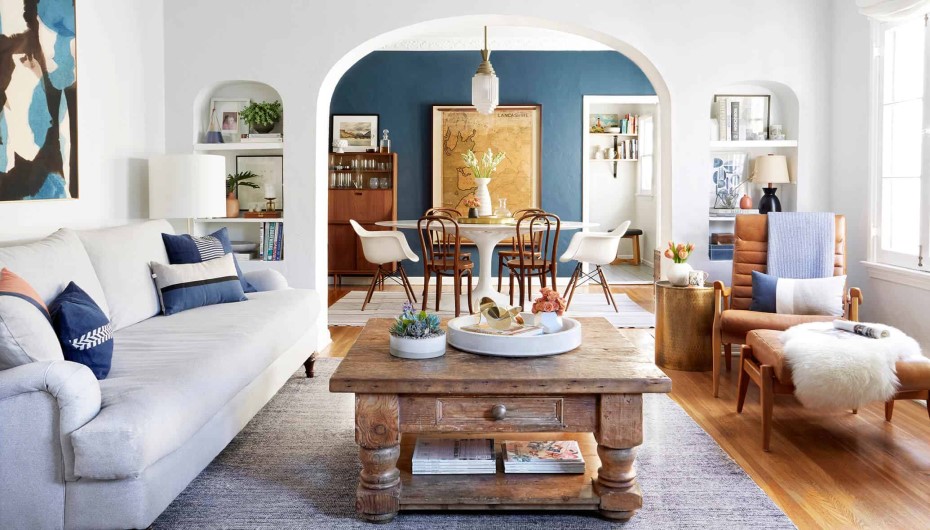
Step 5: Select the Appropriate Furniture Scale and Shape
Scale is important in any space, but it’s essential in a rectangular design. If they are too large, they will overpower the space, and if they are too small, they will get lost.
In a narrow rectangular living room, opt for furniture that is streamlined, with thin arms and exposed legs. The space under the sofa legs can be lightened up for a larger floor space with a sofa that reveals legs. Don’t have big recliners, large ottomans, or deep sectionals unless the space is very spacious.
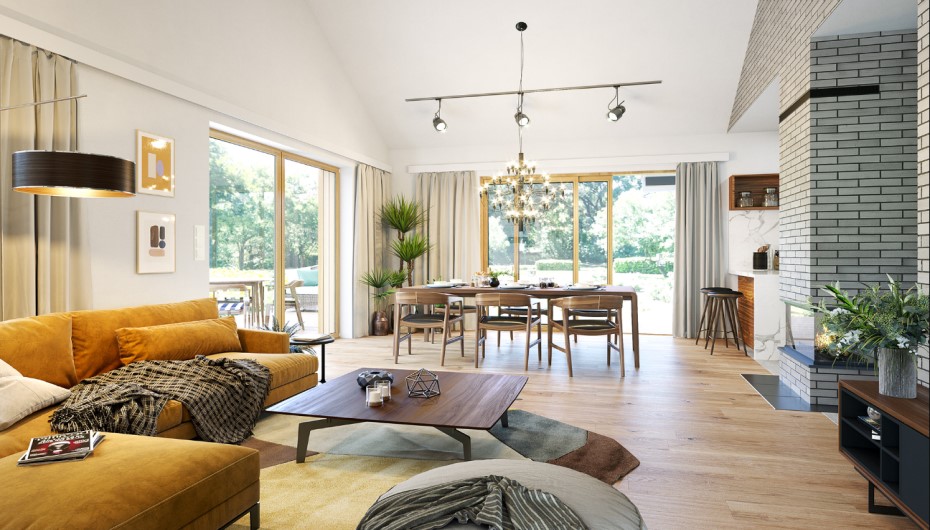
A corner sectional sofa or L-shaped sofa might be a good idea for a longer room, as it helps to take up the space and also provides a certain seating area. Two loveseats arranged perpendicular to the longer walls in a smaller rectangular room may be better than a big sofa, as they divide up the length and provide a more balanced look.
Most rectangular rooms have plenty of straight lines already, in the form of walls, sofas, and shelves, so it’s a good idea to introduce curved shapes wherever possible. To break the strict geometry, consider a round coffee table, oval rug, curved armchair, or circular mirror that will create a warmer and more welcoming atmosphere.
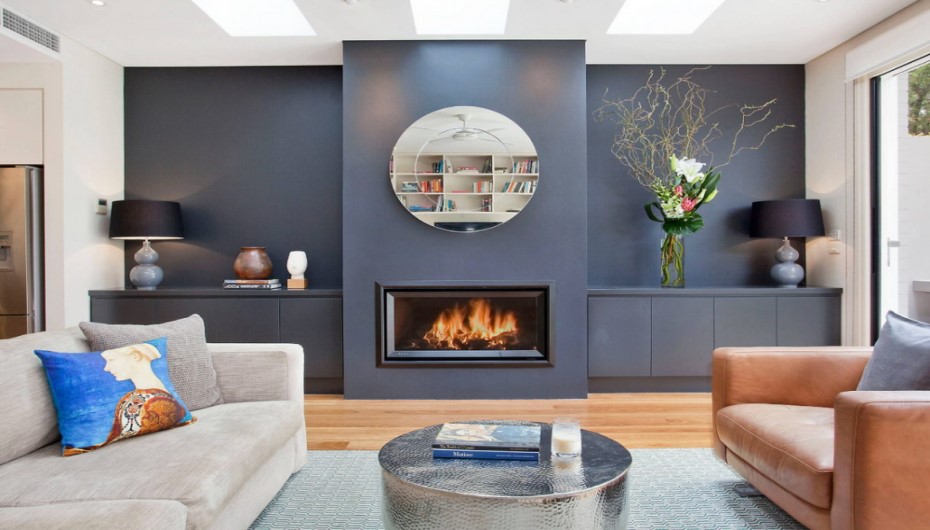
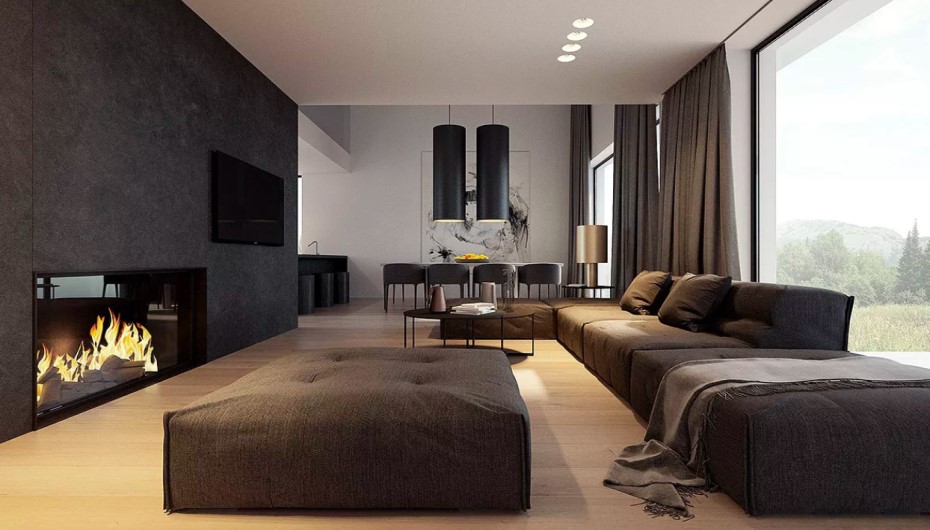
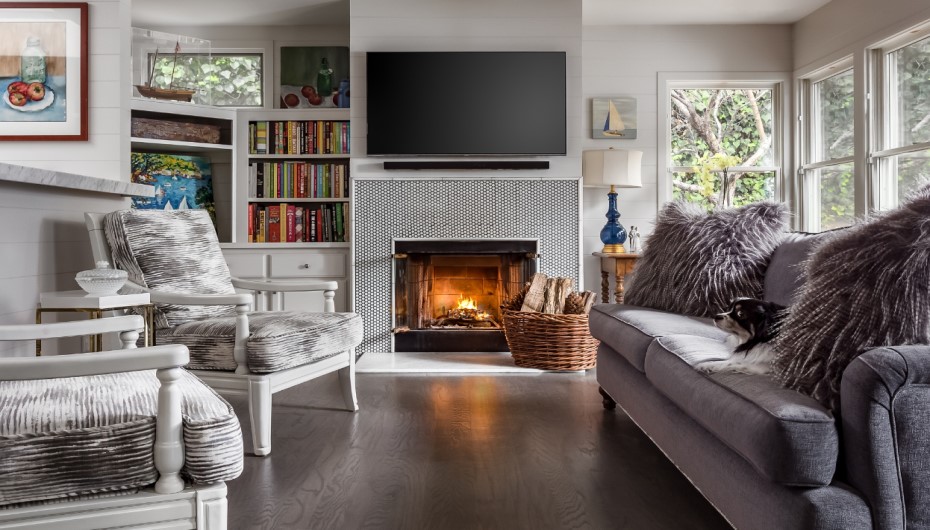
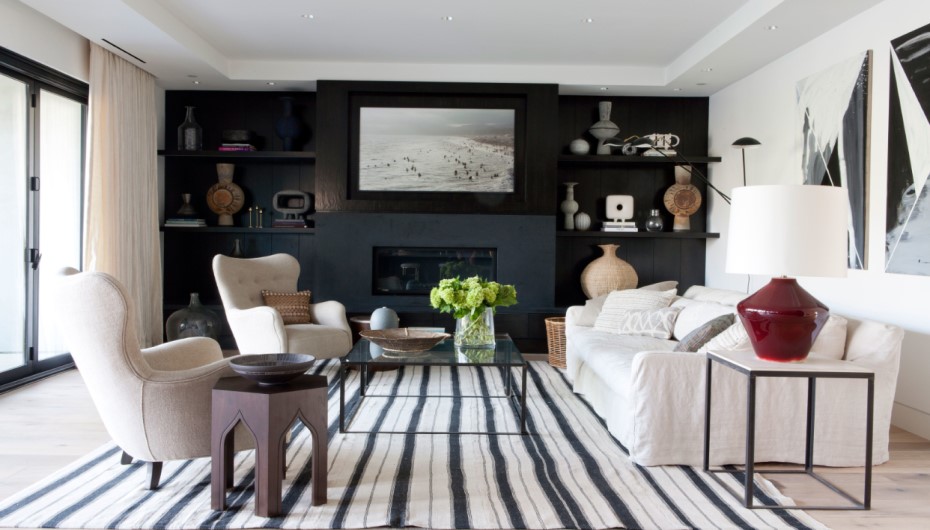
Step 6: Use Colour to Balance the Proportions
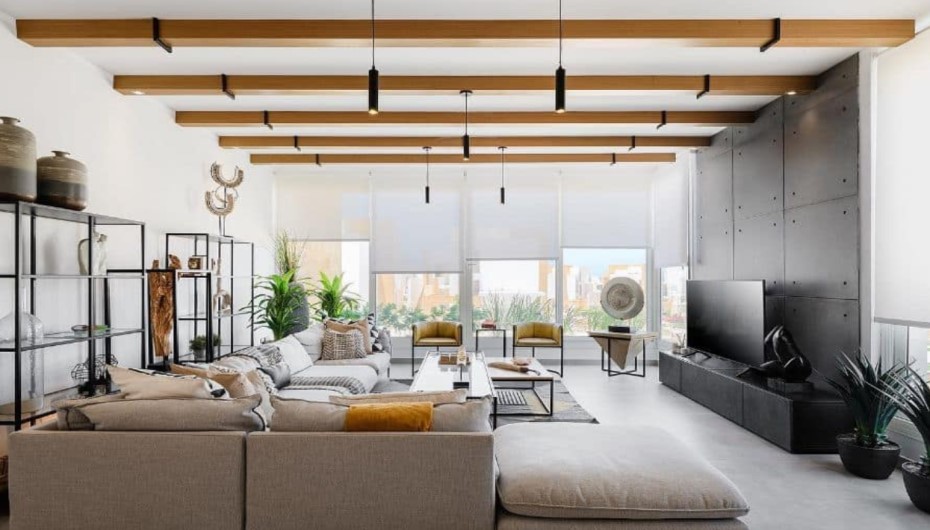
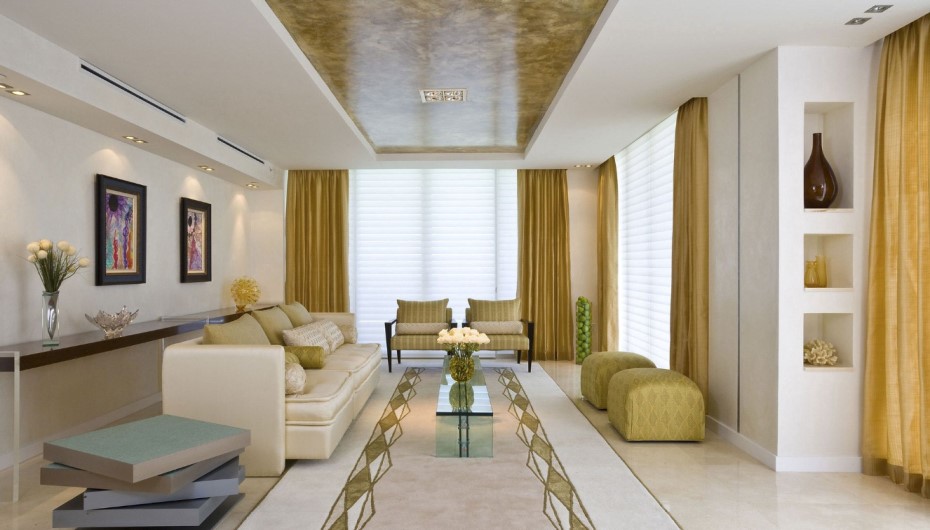
Colour can have a great impact on the atmosphere of a rectangular room. When used properly, paint and finishes can create the illusion of lengthening a long room, widening a narrow room, or enlarging a small room.
If you want to make a long room look less lengthened, paint the two shorter end walls a shade darker or warmer than the long walls. This creates an illusion of making the end walls closer and makes the room look shorter. Don’t paint the long wall a bold accent because this typically makes the room feel even smaller.
For a more subdued palette, opt for warm white, oat, light grey, and sand to help open up the space and mirror natural light. Layer with texture bouclé, linen, and velvet, not contrast.
Dark and rich colours like deep green, navy, or charcoal can also be effective for a more dramatic touch. Dark walls can make the room feel more intentional, even though they might seem like they’re going to make the space cramped. This is because they can make a room feel cocoon-like. The secret is to go all in on that colour and surround it with lighter furnishings and fabrics to lighten up the room.
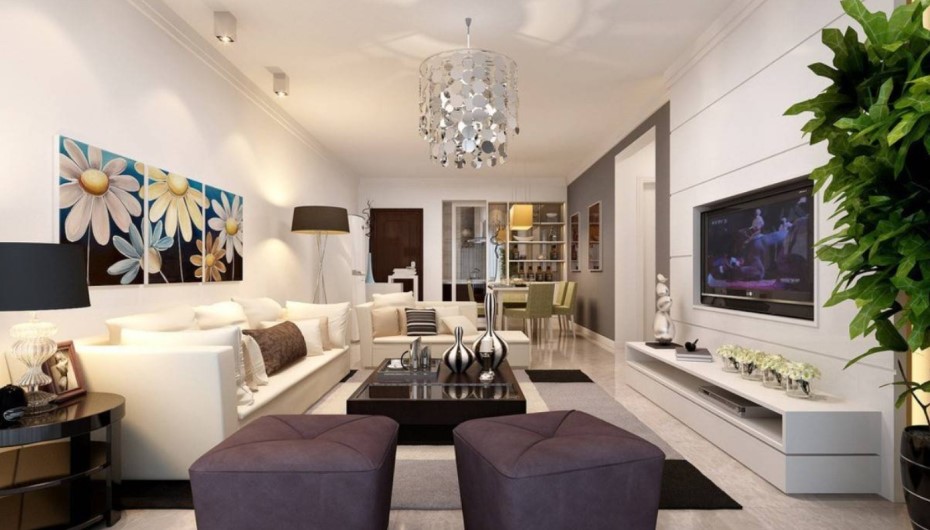
Step 7: Add the Lighting
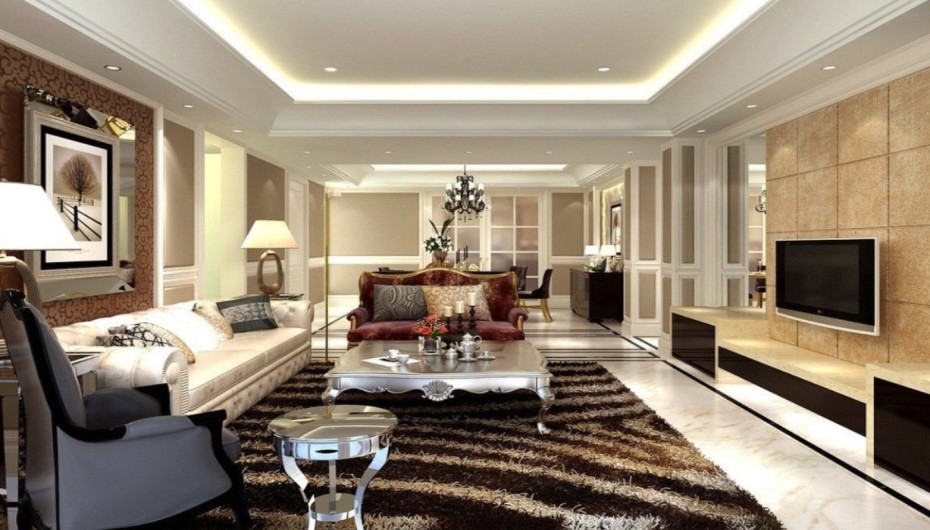
The typical rectangular living room has daylighting only on one of its short ends, while the remaining portions of this space are dark and low. Use good lighting, which will not only address this issue but also create an atmosphere as well.
Try to aim for three layers of light. The first kind is ambient lighting, which is the general lighting, and typically is created from recessed lights or ceiling fixtures. The second type of light is called task lighting, which is light that is directed to a specific task, like reading, and is typically found in floor lamps or table lamps. The third type is accent lighting to draw attention to art or plants or to an architectural feature; wall sconces and picture lights fall into this category.
In the dark corners and areas of the room, including the end furthest from the window, add lamps. A pendant light above the reading chair or coffee table can also establish an area, although no walls or partitions are involved.
Mirrors do work in conjunction with lights. If you’re short on natural light, a large mirror on the long wall opposite the window will bounce natural light throughout the space and make it brighter and larger.
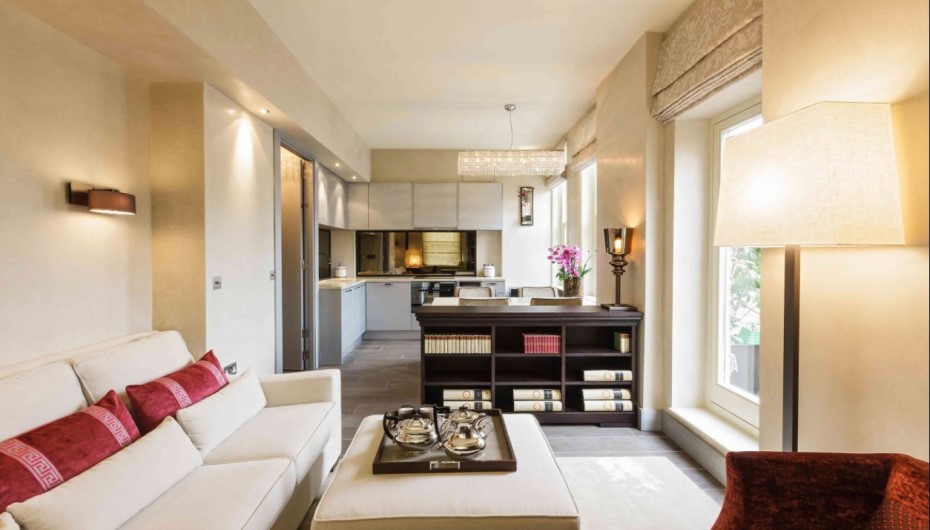
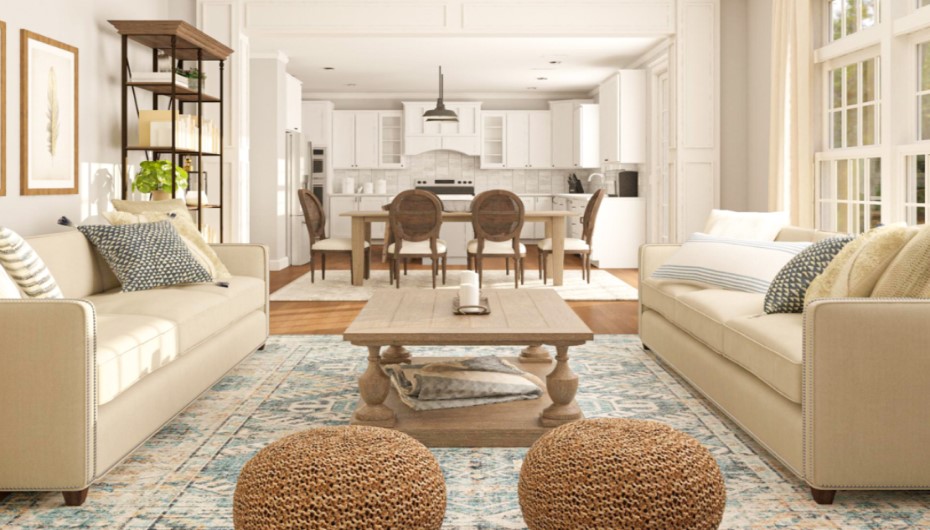
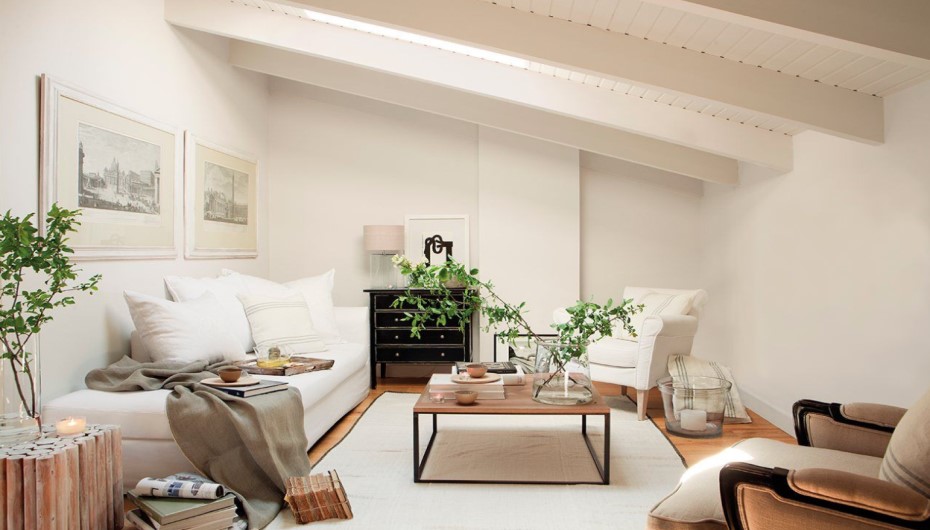
Step 8: Get the Rug Right
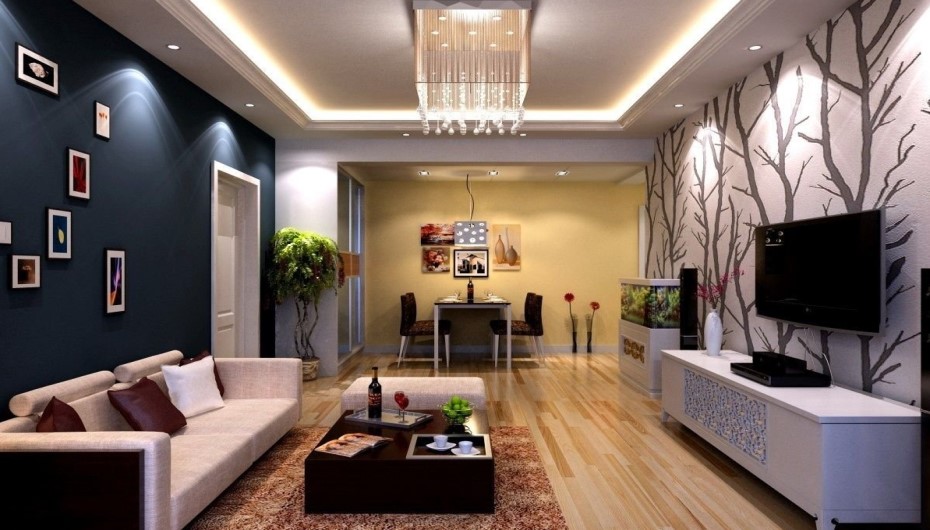
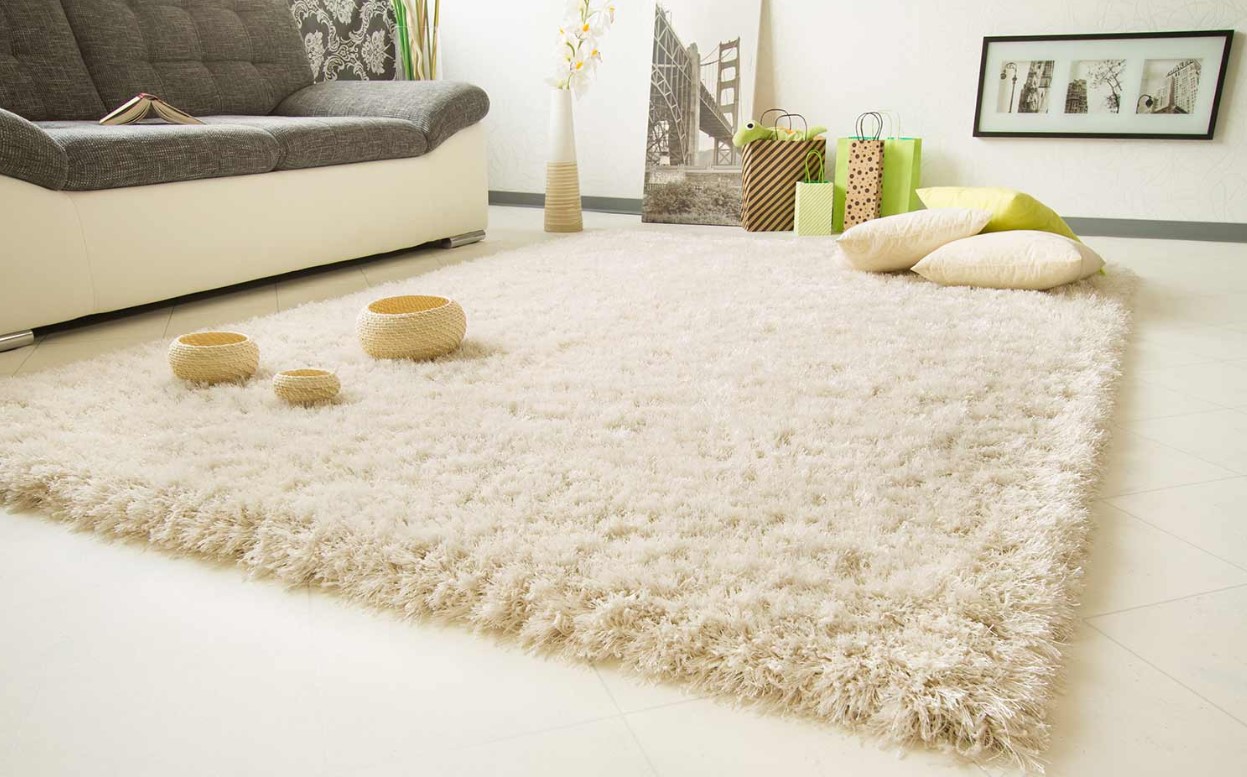
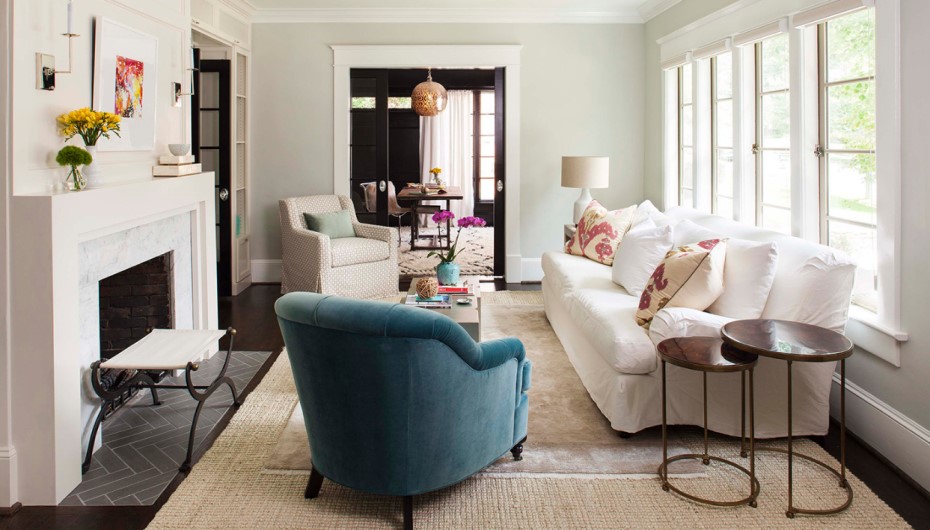
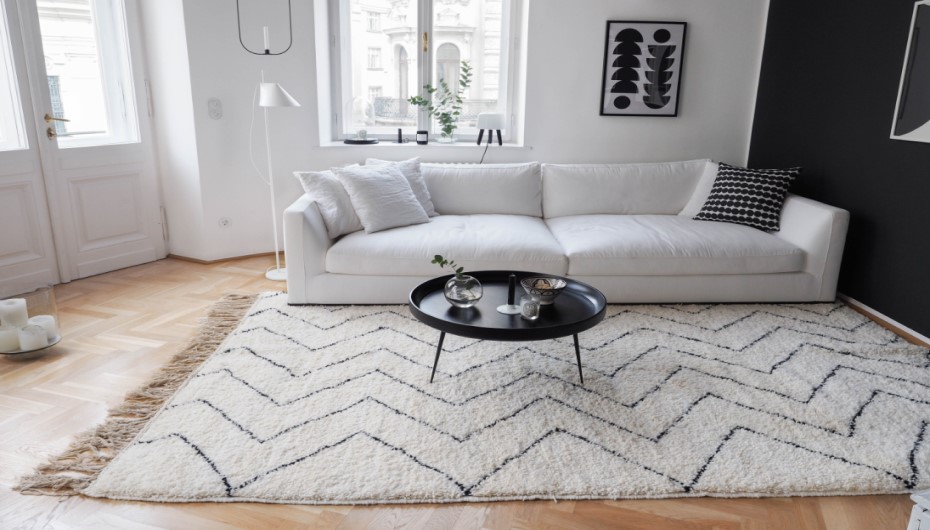
Among the most underused tools in rectangular living room design is rugs. The right rug will make furniture come together and will, in effect, expand the floor, whereas the wrong rug will make a room feel small and disconnected.
Make sure to select one big enough to fit under at least the front legs of all the primary furniture in your home. If it’s too small, it’ll look like it’s floating in the center of the room and won’t create a sense of anchor for seating. A good rule of thumb is to leave about 8-12 inches of bare floor around the rug’s edges, between it and the walls.
To visually expand a small space, lay a rectangular rug across the width of a small room instead of the length. If the room has two areas, have 1 larger rug in the primary zone and a smaller rug with a different shape in the secondary zone. For instance, a round rug in a reading corner softens the boxy lines of the living space.
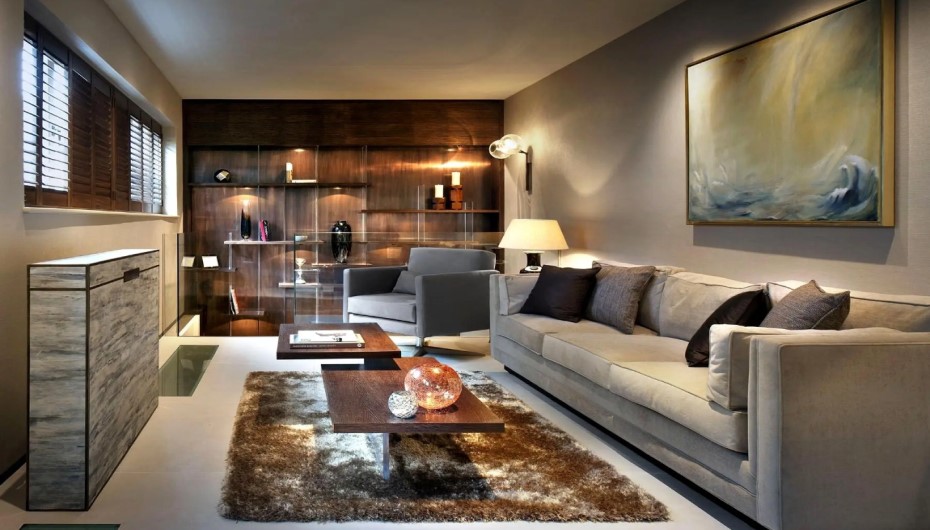
Also Check: Best Kids Bedroom Design Ideas
Step 9: Make the Most of Vertical Space
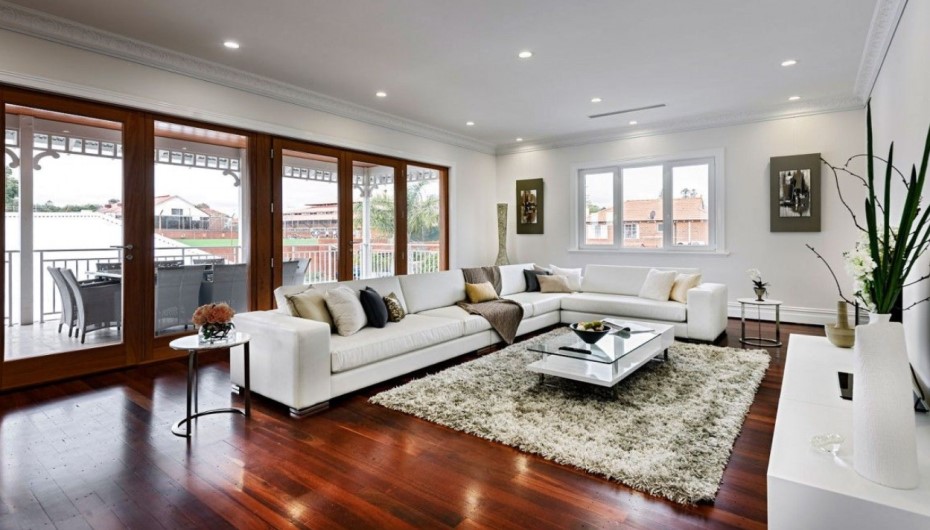
With limited space available at the floor level, space above becomes important. By using tall design elements, the ceiling can be made to appear more elevated, and the room seems larger.
Tall bookcases, curtains that hang from floor to ceiling, and oversized artwork are all effective. Floating shelves provide storage space above eye level, and are used to hang books, plants, and personal possessions.
Special attention should be given to curtains. They should be hung as high as possible to the ceiling and should just barely touch the ground. Opt for curtains that are larger than the window, with some of the fabric hanging over the side walls. This plays a neat trick to make the windows seem larger and the ceiling higher.
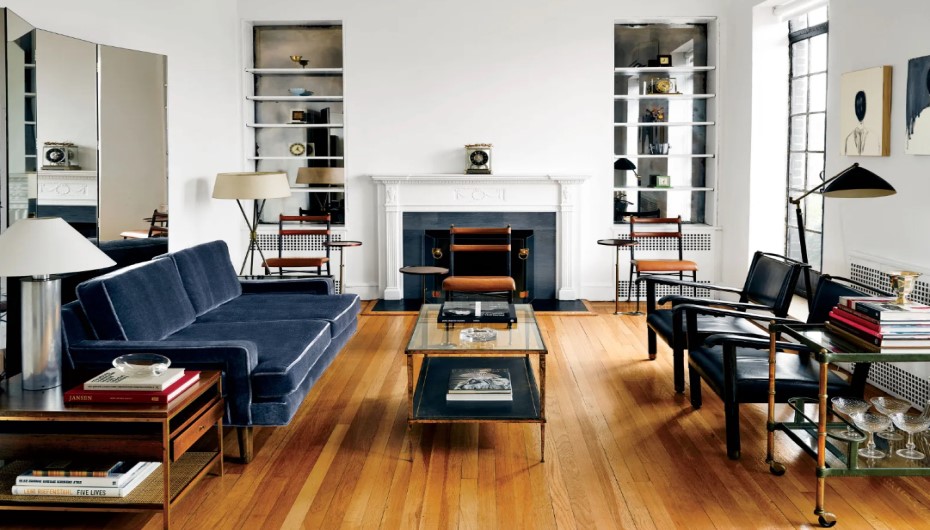
Step 10: Soften the Space with Décor and Texture
The décor is the last touch in any rectangular living room. This is where you can get personal style and bring warmth to the area.
Use a combination of textures to add dimension. Mix glass and smooth wood with soft fabrics like wool, linen, and velvet. Use cushions in a variety of sizes, fabrics, and patterns. Throw a chunky knit over the arm of a sofa or chair.
Add plants to add softness to the room’s geometry. High-placed floor plants in corners bring vertical interest, and smaller plants on shelves and side tables bring vitality. Keep decorative items in odd numbers (3 or 5) for a more natural appearance.
Finally, don’t forget to add some personal touches like framed photos, travel memorabilia, or a small library of art books. It’s these particulars that make a styled room a real home.
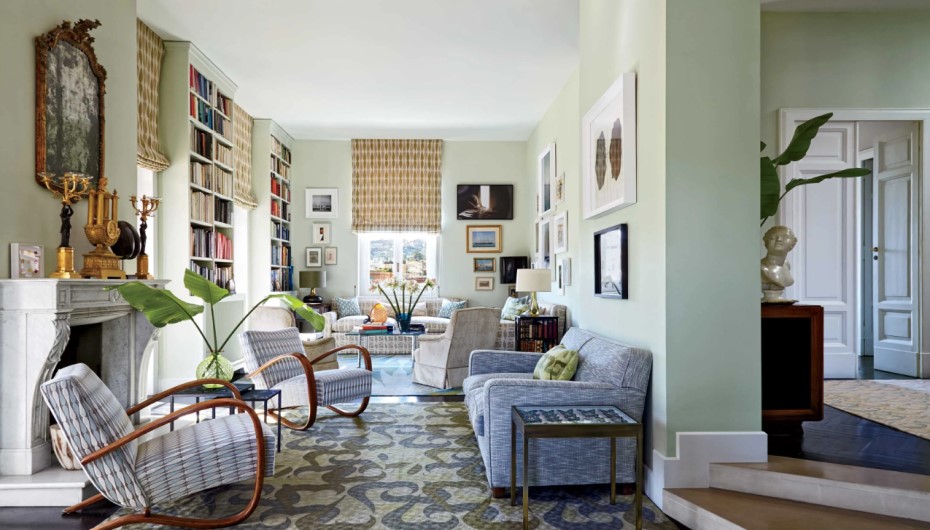
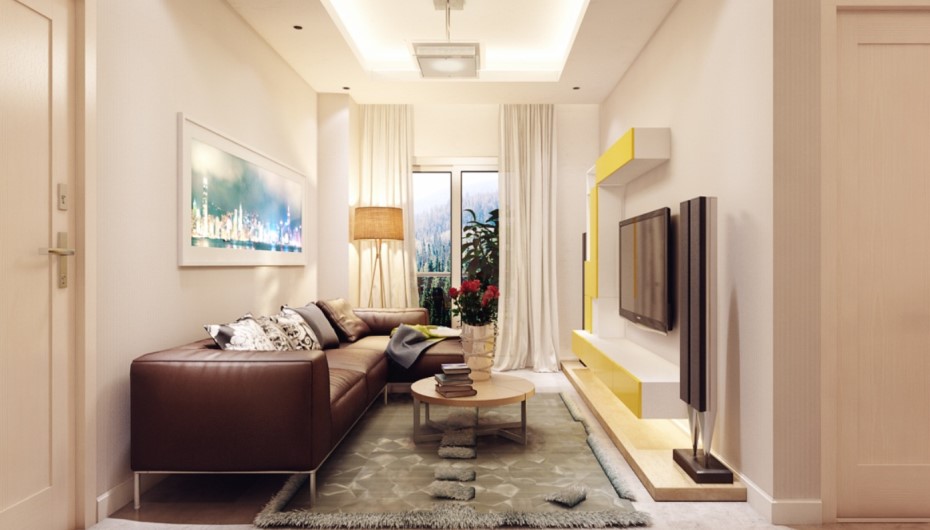
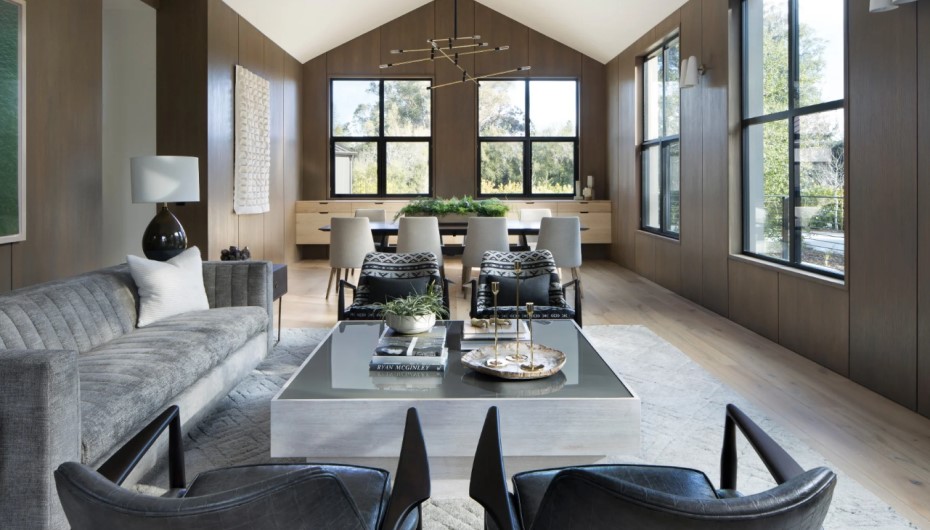
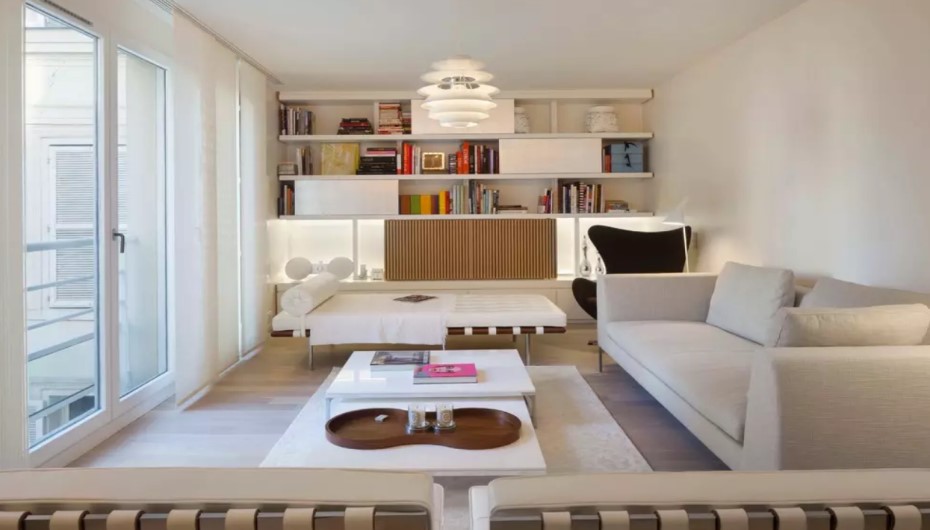
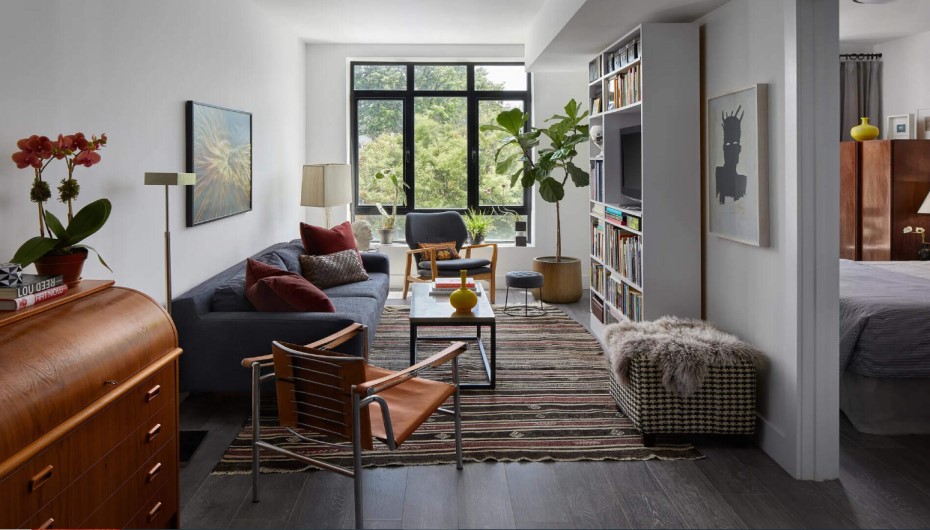
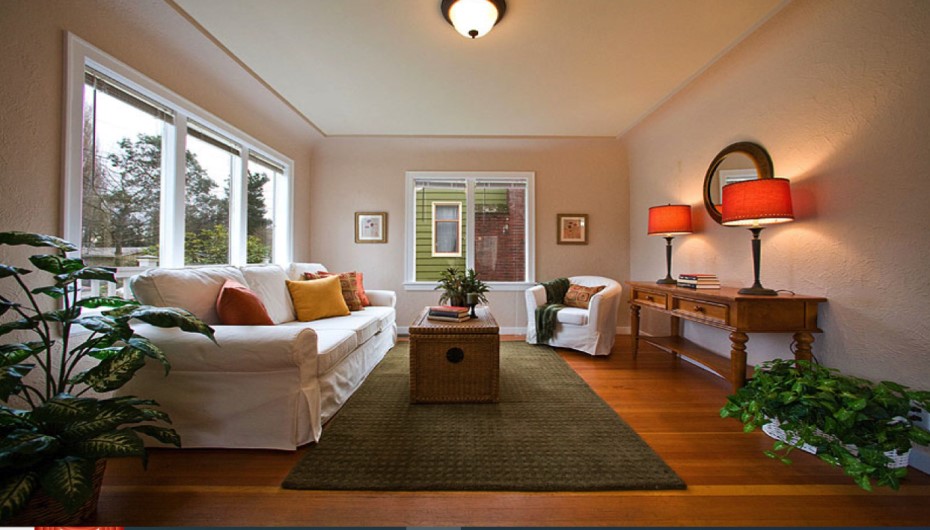
Ideas for Small Rectangular Living Rooms
In a small rectangular living room, opt for furniture that serves more than one purpose and ingenious storage. A storage ottoman will make a coffee table, footstool, and hidden storage. Nesting tables can be used and then easily removed. A wall-mounted television can save floor space, and you don’t have to have a large media unit.
Keep the wall colors light and airy, and opt for furniture that has thin lines and shows through the legs. In a small rectangular space, mirrors are especially useful as they will double the space. This can also be done by installing a large mirror on a short wall to give the illusion of a longer room
Mistakes to Avoid
Well-designed rectangular living rooms can fail if just a couple of glaring errors are made. These are the most frequent mistakes.
The first error is pushing all the furniture against the wall, which makes a hallway. The second is selecting furniture that’s too large for the room size. The third is to not pay attention to the focal point, leaving the layout looking confused. The fourth is whether a rug is too small for the seating area. The fifth is to have only one overhead light, making the room flat and uninviting. Number 6 is hanging too much art on the long walls, which can be distracting and cluttered.
Any of these errors will immediately improve the quality of any rectangular living room design.
Ending
The first thought that may come to mind is that a rectangular living room will be hard to work with, but with the right plan, it will be one of the most flexible and welcoming rooms in the house. Make careful measurements, establish a clear focal point, and divide the room into areas that reflect your lifestyle. Pick furniture that’s proportionate to the size of the room and layer different lighting sources, balance proportions with colour, rugs, and textures.
But most importantly, keep in mind that the successful living room is not only about its appearance. It’s about how it feels for everyday use. Take your time, and work through these ideas one at a time, and you’ll end up with a beautiful and comfortable rectangular living room!
Frequently Asked Questions
How do I make my long rectangular living room look wider?
Answer
Use a rectangular rug in a room laid out lengthwise, hang a large mirror on one of the long walls, and select furniture with thin lines and exposed legs. It will also be useful to paint the short end walls darker than the long walls to make them draw the rooms in rather than create a tunnel effect.
Where should I put the television in a rectangular living room?
Answer
If possible, mount the television on a short end wall or over a fireplace. This will ensure that the screen is not in the main traffic flow and the seating will be facing the most natural focal point. Don’t put the TV in a corner, as this will push furniture into strange shapes.
Should I use a sectional sofa in a rectangular living room?
Answer
If a room has an area where it’s wide enough to have a sectional and not block walkways, then it can fit; however, if the space is too small, you’ll find a sectional to be impractical. Two smaller sofas or a sofa with separate armchairs can appear more proportionate than a large, sectional sofa in a narrow, rectangular-shaped room.
What colour is best for a rectangular living room?
Answer
Warm white, beige, light grey, and oat are all soft neutrals that reflect light and make the room appear bigger, making them the safest option. For an even more daring look, paint the two shorter end walls a darker shade to help proportion the room.
How can I make a small rectangular living room feel bigger?
Answer
Try to use light wall colours, curtains to the floor, a large mirror on the longest wall, and furniture with exposed legs. Keep the floor as clear as possible and use vertical storage to free up floor space.
How many zones should a rectangular living room have?
Answer
Two zones will suffice for most rooms. Combining a main seating area with a reading corner, a small dining area, or a home office is typically an appropriate combination. Three or more zones are effective only in truly large rooms, as it becomes more crowded.
More Helpful Topics: