
Shiplap accent walls are one of the simplest and budget-friendly methods to add texture, warmth, and character to any room of your home. From the modern farmhouse aesthetic to the coastal vibe to a sleek contemporary finish, shiplap can conform to nearly every style. In this ultimate guide, we will be sharing the best shiplap accent wall ideas for every room, top colors, design ideas, materials, and even a breakdown of the costs & installation tips.
What is a Shiplap Accent Wall?
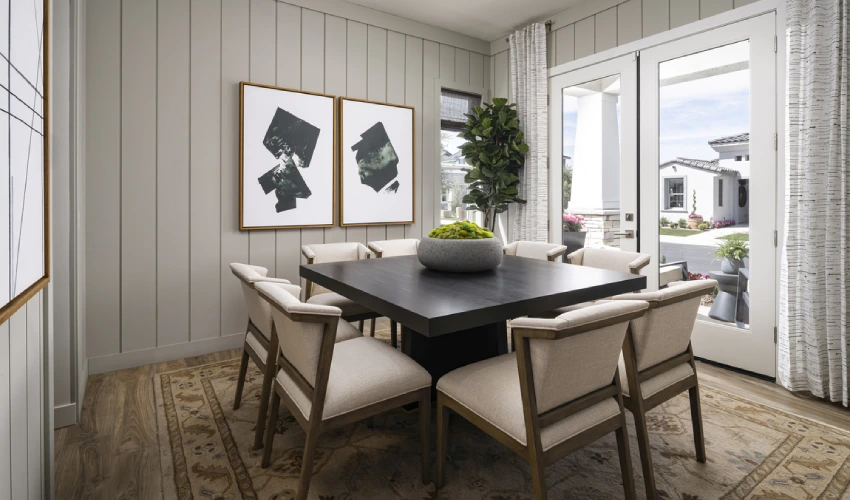
Shiplap is a kind of wood paneling that is constructed from wooden boards that fit together with small grooves cut into the top and bottom edges of the boards. These grooves allow a tight fit of these planks, with a small even space between each plank. This gap generates the clear-cut shadow line, which is shiplap’s signature.
A shiplap accent wall is merely a wall that is lined with this paneling material, rather than the four walls of a room. It’s a great design idea as it provides interest without giving the impression of a cramped or crowded area. In addition, accent walls are more affordable, simpler to install, and make a bold statement that attracts attention.
Shiplap was actually a construction siding material on barns, sheds, and ships. It’s now taken to the interior, and it’s one of the most popular interior design trends in today’s homes.
Why Select a Shiplap Accent Wall?
Here are some reasons why homeowners and designers adore shiplap accent walls before taking a look at design ideas:
- Texture and depth. When it comes to painting walls, a plain wall can seem flat. Shiplap provides layers and shadow lines, which give a wall life.
- Style flexibility. Shiplap is suitable for farmhouse, coastal, modern, traditional, industrial, and even minimalist Japandi style homes.
- Affordable upgrade. A shiplap accent wall can give a room a makeover without the expense of a complete remodel. The average cost for most accent wall jobs is $240 to $1,700, depending on the size and material.
- Easy DIY project. Any homeowner can install a shiplap accent wall with a little basic equipment and a free weekend.
- Hides imperfections. Shiplap is a material that can be used to hide damaged drywall, uneven walls, or old wallpaper.
- Long-lasting value. Wood paneling can last for a very long time and is more resistant to dents and scratches than drywall.
Shiplap Accent Wall Ideas by Room
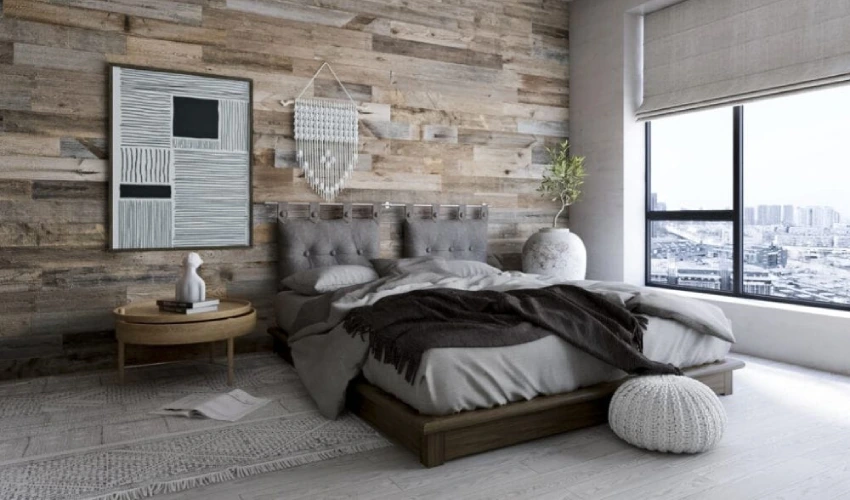
1. Large accent wall in the living room
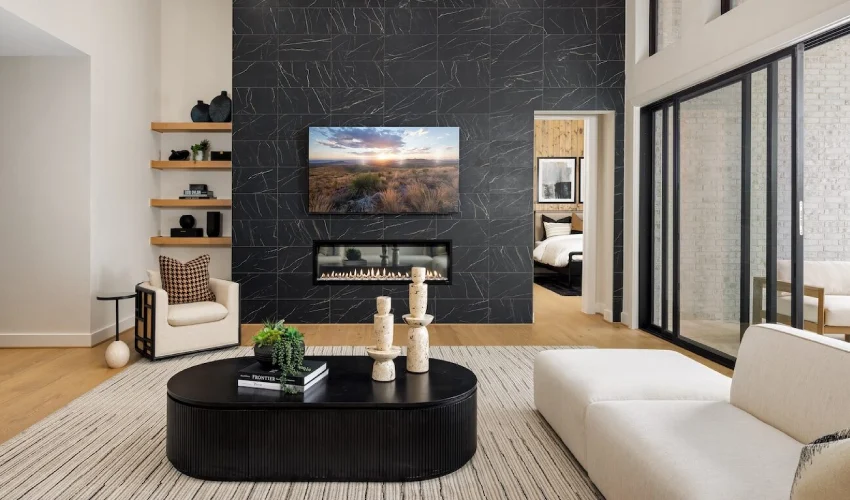
The living room is the most common room to treat to a shiplap accent wall. Typically, it’s behind the sofa or around the fireplace. A white shiplap wall behind a leather sofa brings a fresh, airy backdrop to a room, while a dark charcoal or navy shiplap wall behind a fireplace brings drama and warmth to a room.
Vertical shiplap can make a space seem taller if you have a tall ceiling in your living room to make the room seem even more grand. In an open floor plan house, the shiplap accent wall can be used to divide the living space from the dining room or kitchen space without creating a wall.
2. Bedroom Shiplap Accent Wall
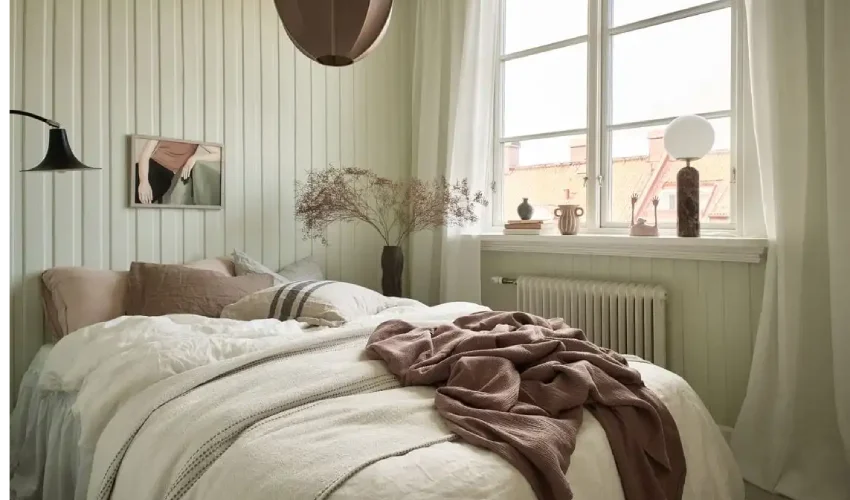
The wall behind the bed lends itself to a shiplap accent in the bedroom. It looks great around your bed, and it’s a built-in bed headboard too. Deep forest green, navy blue, moody black, and other colors are great options for painted shiplap, which will provide rich contrast and give your hotel a cozy, inviting feel, whereas white shiplap will create a clean and peaceful appearance.
If you’re working with a master bedroom, you can run the shiplap from floor to ceiling for a dramatic touch. For children’s rooms or nurseries, consider soft pastel colors or natural wood stains, which create a serene and inviting atmosphere.
3. Bathroom Shiplap Accent Wall
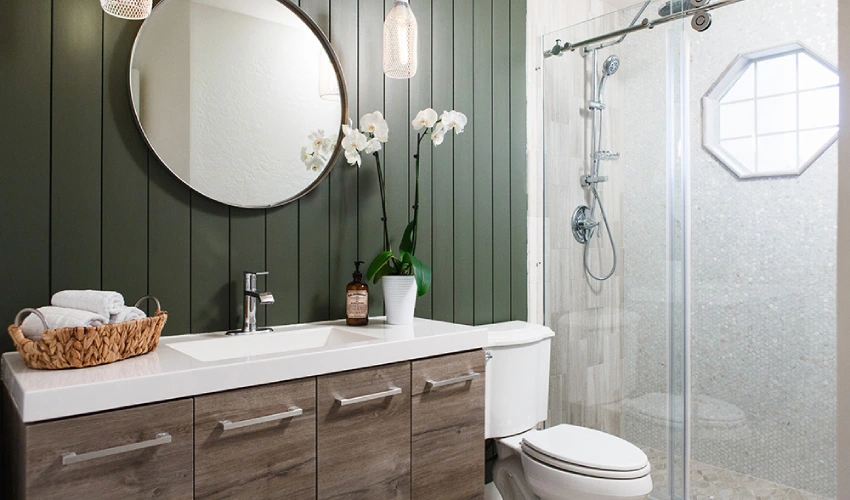
Shiplap is well-suited for bathrooms that can be chilly and tiled, and provides warmth for the room. Mount it behind the vanity, bathtub, or as a half wall over wainscoting. To make sure the wood doesn’t get wet, just be sure to apply a moisture-resistant paint and seal the gaps properly.
White or soft greige colors go great in smaller bathrooms, and deep blue or sage green shiplap looks great in larger main bathrooms with excellent ventilation.
4. Kitchen Shiplap Accent Wall
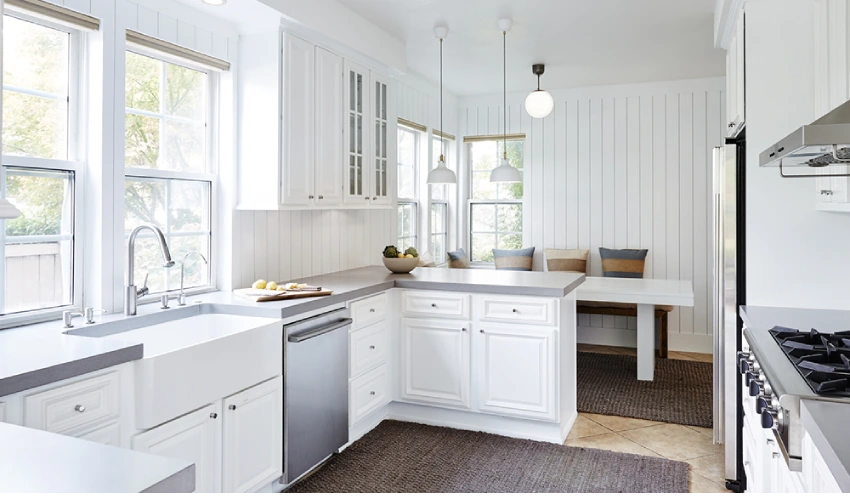
Shiplap can be installed in the kitchen as a backsplash, behind open shelving, or behind a kitchen island. It is a great match with white cabinets, marble countertops, and brass hardware for a modern farmhouse appearance.
For a softer touch, install shiplap on just the wall behind your dining nook or breakfast area. Use satin or semi-gloss paint in kitchens where it can be easily wiped down.
5. Entryway and Hallway Shiplap Accent Wall
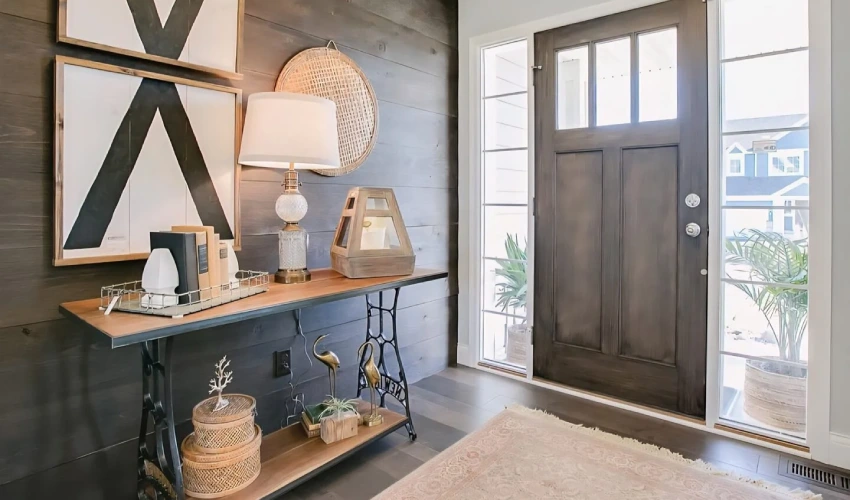
A shiplap accent wall is located in the entry area, making a statement as soon as guests enter the door. Complement with wooden benches, coat hooks, and a small mirror for a traditional farmhouse gesture of welcome. Framed family photographs add impact to shiplap hallways, which are longer and more interesting.
6. Shiplap Accent Wall in Dining Room
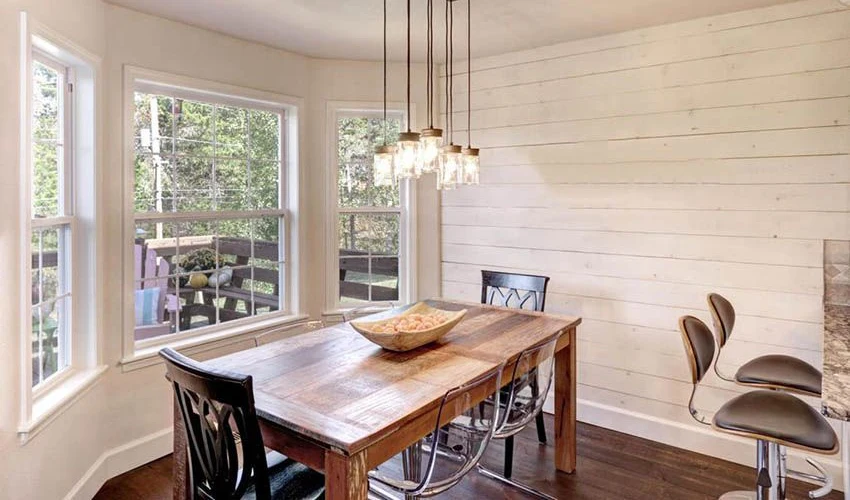
Behind a dining table, Shiplap creates warmth and offers a grounding element. For a more intimate and elegant feel, consider a rich color for the shiplap, such as sage green, deep teal, or terracotta. Completing the look, add a statement chandelier.
7. Home Office Shiplap Accent Wall
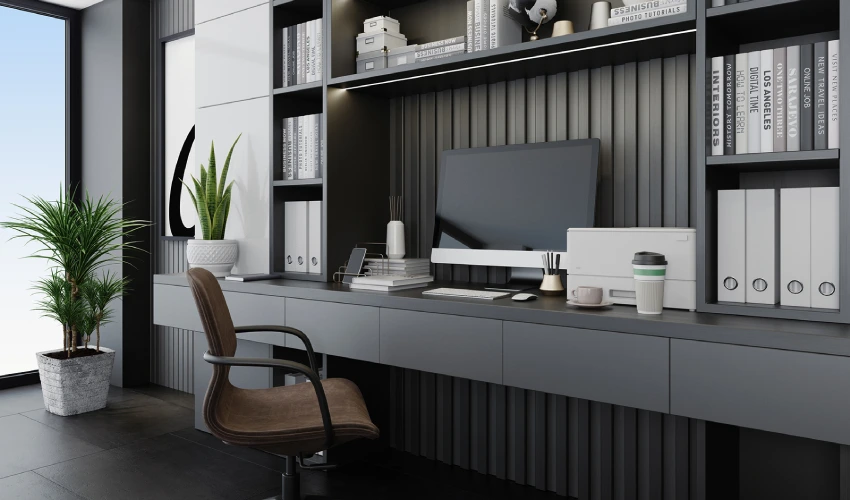
A shiplap accent wall behind a desk is perfect for those who work from home, as it adds a touch of charm to any workspace that is typically bare. Pick one of the deep blue, charcoal, or wood-stained hues to develop a centered, professional look.
8. Nursery Shiplap Accent Wall
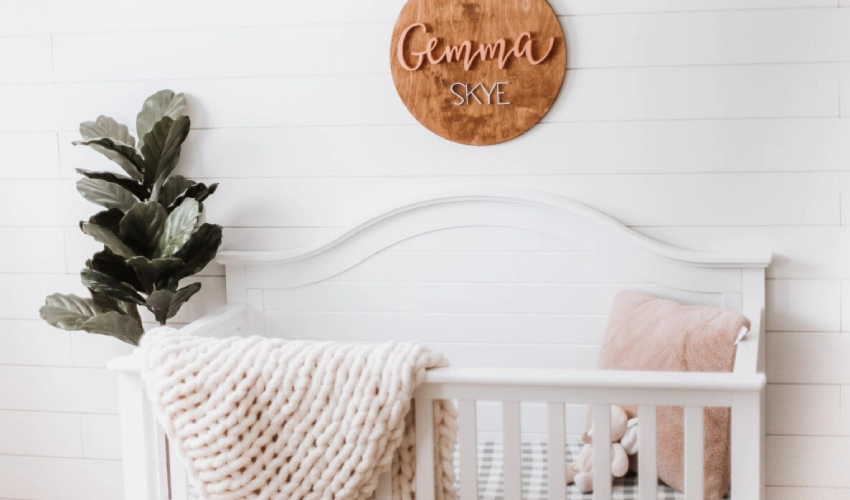
A shiplap accent wall in pastel or soft white colors looks great in a baby’s room. It provides a soft texture but is not overpowering. The baby’s name can be hung in wooden letters or a framed art piece to complete the look.
9. Mud Room/Laundry Room
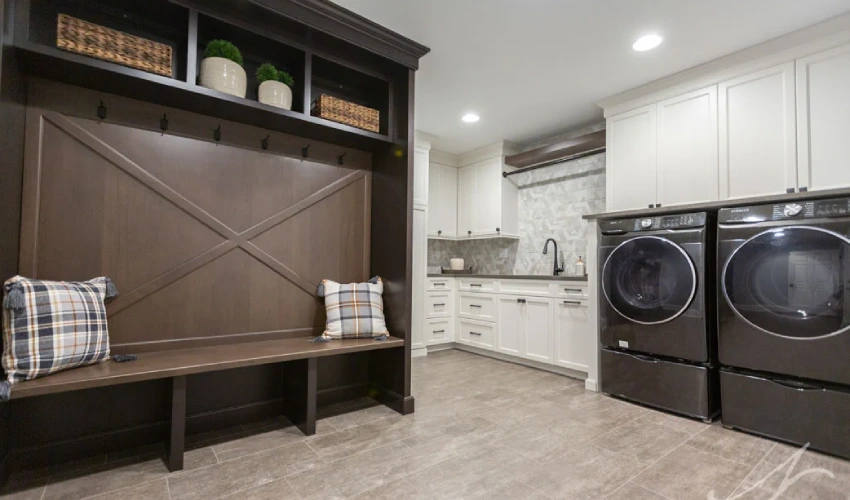
A shiplap accent wall brings life to these small rooms, which are often forgotten about. Combine with colorful cabinets, hooks, and shelves for a functional and aesthetic area.
10. Stairwell or Staircase Wall
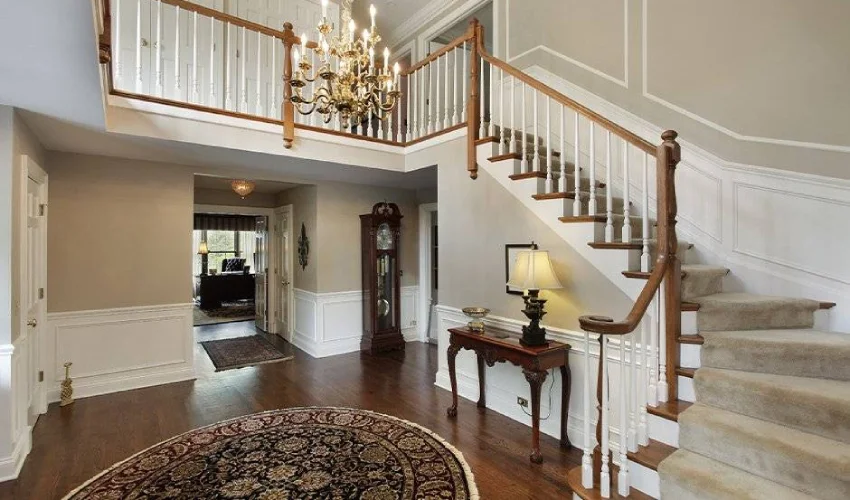
People don’t often consider a shiplap accent wall along the staircase. It provides detail to what is typically a space and is particularly dramatic when painted in dark, dramatic colors.
Best Shiplap Accent Wall Color Ideas
The color you use for your shiplap can make all the difference in the overall ambiance of the room. Below are the latest and hottest shiplap paint colors.
Classic White Shiplap
White shiplap is always in style. It enhances a room, enlarges the space, and pairs up with almost any style. Some popular whites are Sherwin-Williams Alabaster, Benjamin Moore Simply White, and Benjamin Moore White Dove. White shiplap has the most secure resale value.
Black Shiplap
Black shiplap makes a big, contemporary, stylish statement. Works best in well-lit rooms. For a rich, rich, dark finish, consider Sherwin-Williams Tricorn Black or Benjamin Moore Wrought Iron. Black shiplap looks great with brass hardware, light wood floors, and white trim.
Navy Blue Shiplap
Navy blue is a popular color choice for coastal and traditional homes. It gives depth without being as dark as black. One of the most popular navy colors for shiplap walls is Benjamin Moore’s Hale Navy.
Sage Green and Forest Green
Green shiplap is big on a major trend in 2026. A sage green color palette can be soft and natural for a calming vibe, or deep and dark for a dramatic touch. They both are suitable for use in bedrooms, dining rooms, and home offices.
Gray and Greige Shiplap
Light gray and gray/brown (greige) colors work great for contemporary, country, and transitional ranges. They are warm and neutral, and easy to decorate around.
Warm Earth Tones
For 2026, the warm tones such as terracotta, mushroom brown, soft taupe, and creamy linen are all in style. They are also in keeping with the popular Japandi aesthetic, the fusion of Scandinavian simplicity and Japanese minimalism.
Natural Wood and Stained Shiplap
For those looking to avoid painting altogether, natural cedar, pine, or reclaimed wood shiplap adds real character to a space. Stained shiplap in walnut and/or honey hues brings a cozy cabin-like atmosphere.
Shiplap Accent Wall Design Styles
In addition to colour, the layout of boards is also a significant element in the final appearance.
Horizontal Shiplap (Classic)
This is the traditional method of making shiplap. Horizontal boards can help to make a room look wider and give the classic farmhouse look. It is the simplest pattern for beginners.
Vertical Shiplap (Modern)
Vertical shiplap installation is the new craze and provides a more contemporary and up-to-date appearance to the wall. Ceilings seem to look higher with vertical boards, perfect for low ceilings.
Chevron and Herringbone Patterns
Make a more creative and more luxurious appearance by installing shiplap in a chevron or herringbone pattern. This is ideal for small accent walls and can be behind beds because it may be overpowering on larger surfaces.
Half-Wall Shiplap
A half-wall shiplap (like wainscoting) covers the lower portion of the wall (usually 4-5 feet high) and is topped with a trim. The top half can be painted a contrasting color or wallpapered.
Mixed-Width Boards
The various widths of the boards will result in a very unique and custom look. Include both wide and narrow boards to create a contrast of interest.
Shiplap Around Architectural Features
Line windows, fireplaces, niches, or fitted shelves with shiplap for depth and to accentuate the best features.
Creative Placement Ideas for Shiplap Accent Walls
If you want to do more than create an accent wall with shiplap, here are some ideas to get you started.
Behind the bed in place of a headboard. Save cash and produce a personalized appearance by using shiplap as an in-built headboard.
Around the fireplace. A shiplap fireplace surround makes an instant cozy focal point.
Behind the TV. Put shiplap behind the TV, hide all messy wiring, and make a modern entertainment wall.
In built-in shelving and bookcases. Shiplap paired with open shelving creates a stunning backdrop and look for the items on display.
On the ceiling. Shiplap ceiling or “fifth wall” is a new and unusual feature. It can also be used to make an ugly popcorn ceiling look nice without the hassle of scraping.
As a feature wall in alcoves. Highlight a small wall area that needs focus, a window seat,t or a reading corner with shiplap.
Shiplap Materials and Cost Breakdown
The type of material you select will influence how the project is presented as well as the price. Here’s a quick explanation of the most popular options.
- The cheapest real wood is Pine Shiplap. The average price is about $1.50-$4 per foot. Pine is very easy to paint and is a suitable material for most indoor uses.
- Cedar Shiplap is more durable and is naturally moisture-resistant. It is approximately $3-$7 per linear foot and is excellent for bathrooms and outside purposes.
- MDF Shiplap is made from engineered wood. It is the lowest cost (about $1.50 to $3.00 per sq ft), is pre-primed, and is easily painted. It is not suitable in wet areas, however.
- The choice for a cheap DIY is Plywood or Luan. The 4×8 sheets can be purchased and cut into strips to achieve the effect of a faux shiplap. This technique can save over 50% on bills.
- The most authentic and rustic appearance is Reclaimed Shiplap at $5-$20 per linear foot.
- The easiest of all is Peel and Stick Shiplap. These pre-finished panels are glued to the wall and require no painting or nails, and cost approximately $4 to $10 a square foot.
Total Project Cost
The average shiplap accent wall installation ranges from $240 to $1,700 based on shiplap type, wall size, and self-installation or professional installation. Pine and MDF can be used for DIY projects and cost less than $100 for small walls, and up to $2,000 or more for professional installations on large feature walls.
How to Install a Shiplap Accent Wall: Quick DIY Guide
A shiplap accent wall is the simplest DIY project. Here is the basic procedure.
Step 1: Planning and measuring. Take measurements of the height and width of the wall. Work out the total square footage and then allow 10-15 per cent for waste and cuts.
Step 2: Collect your tools. A stud finder, level, measuring tape, miter saw, nail gun (or hammer and finishing nails), pencil, and your shiplap boards are required.
Step 3: Set up the wall. Open outlet covers, baseboards, and take off artwork. If you have gaps on your shiplap, paint the wall the same color as your shiplap first so that it seems like the gaps don’t exist.
Step 4: Find and mark the studs. Mark the position of wall studs with a stud finder. Write them off with a pencil, as you will be securing them to the studs directly for a strong hold.
Step 5: Start at the bottom or top. Most of the Do-It-Yourselfers begin from the ground and move upward. Be sure your first board is straight with a level, as all subsequent boards will be straight with it.
Step 6: Add boards. Cut each board to fit and nail it to the studs. To maintain even gaps between boards, use small spacers such as a coin or a paint stick.
Step 7: Allow seams to be staggered. If a greater number of boards are required to cover the width of the area, stagger the joints of the boards in each row so that the joints are not aligned in a column.
Step 8: Trim and paint. Nail back in place the baseboards, fill any nail holes, caulk the edges, and then paint the wall the color of your choosing.
Common Mistakes to Avoid
To make sure your shiplap accent wall looks professional, avoid these common mistakes.
- Skipping the level. Just one board that is bent will throw a whole wall out of alignment.
- Filling the gaps with caulk. Small spaces between boards are designed to enhance the shiplap appearance. Only caulk at the edges where the wall meets the floor or ceiling.
- Applying shiplap to all walls. Shiplap on all walls will make a room feel small. Limit the use of 1 accent wall to get the maximum effect.
- Selecting inappropriate colours. Always do a patch test first. The lighting in your room can affect the look of a paint color.
- Failure to seal in wet rooms. Always use moisture-resistant paint or sealant in bathrooms or around sinks.
Is Shiplap Still in Style in 2026?
Yes, shiplap is still very much in style, but the look has evolved. The 2010s all-white farmhouse look has evolved into a more colorful, contemporary, and textured design. The shiplap walls of today are painted in moody greens, deep blues, soft taupe, and creamy linen. Vertical is in vogue, and the combination of shiplap and stone, brick, or wallpaper is gaining popularity.
If you do like the appearance, then there is nothing to worry about. When designed well, a shiplap accent wall will look fresh for years to come and will be a timeless feature.
Ending
One of the most potent design changes you’ll be able to make in a home is a shiplap accent wall. Economical, simple to set up, and suitable for any room in the house, even nurseries. From traditional white to deep navy, sage green, and natural wood, the ideal shiplap pattern can enhance your decor, infuse warmth, and impart enduring style to your space.
Pick one wall, pick one color, and watch your wall come to life. There are numerous shiplap accent wall ideas to choose from, and the only problem is that you’ll be able to try just one!
For more amazing home decor guides, keep visiting the style of homes.
Frequently Asked Questions (FAQs) about Shiplap Accent Walls
Does a shiplap accent wall add value to a home?
Answer
Yes, an accent wall can help add value to a home, particularly in the farmhouse and coastal markets. It gives the house character, which buyers appreciate.
Can I put shiplap directly over drywall?
Answer
Yes. If the drywall is in good condition, you can nail or glue the shiplap over it. To be sure, just make sure that you nail it into the studs.
How long does a shiplap wall last?
Answer
If installed correctly, a shiplap wall can last 20 years or more. Much more durable than paint and has better resistance to dents and scratches than drywall.
Is shiplap hard to clean?
Answer
Not at all. Simply dust with a soft cloth or vacuum brush regularly, wiping with a damp cloth if necessary. The painted shiplap is the simplest to clean.
Can shiplap be used in a small room?
Answer
Yes, perhaps on one wall, but light colors to make the room spacious. Small rooms can also benefit from the use of vertical shiplap, which can make the space appear more expansive.
What is the difference between shiplap and tongue-and-groove?
Answer
The edges of the boards are either flat and overlapped (called rabbets) or tongue and groove. Both are alike, but shiplap is actually easy to install for novices.