Introduction
The living room is the central room in any house. It’s the place that families come together, where friends are greeted and where memories are made. Thus, it comes as no surprise that homeowners wish this room to be stunning, cozy and brimming with character. Wall panelling is one of the simplest, yet most elegant means of doing so.
One of the most trending attributes in interior design over the years is the wall panelling. This provides depth, texture and architectural detail that can’t be matched by flat painted walls. From minimalist to classic and all the way to timeless, there is a panelling design that will suit your taste.
What is Wall Panelling?
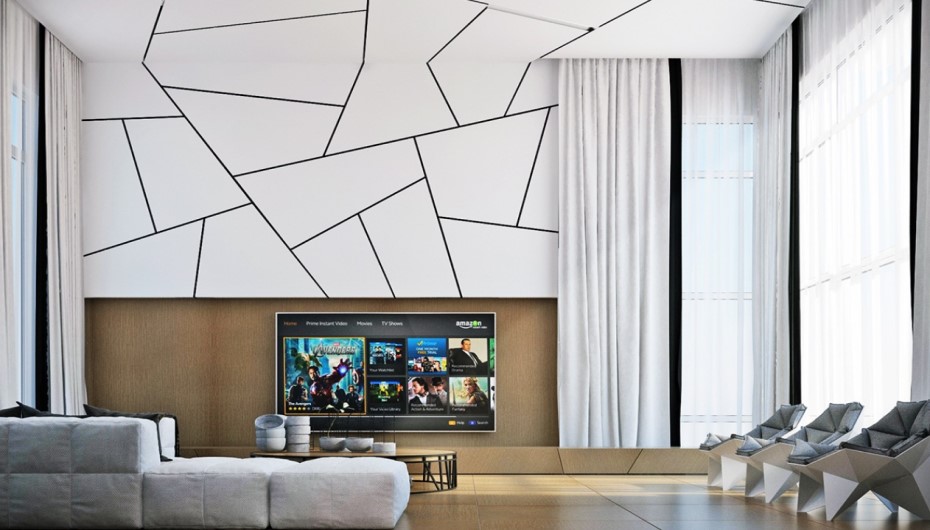
Wall panelling is a decorative treatment that can be used on the inside walls. The process of installing an additional material, such as wood, MDF, PVC or fabric, on top of the existing wall surface to create a textured, dimensional finish. Typically, the panels are displayed in sets or panels in a pattern, frame, or grid to provide visual interest around the room.
This original concept of wall panelling is applied to the old homes of Europe and was used to insulate rooms to prevent damage to the walls. It is used today for both aesthetic and functional uses. Modern panelling not only looks great in a room but also offers a variety of other benefits like sound absorption, insulation and protection from everyday wear and tear.
Why Add Wall Panelling to Your Living Room?
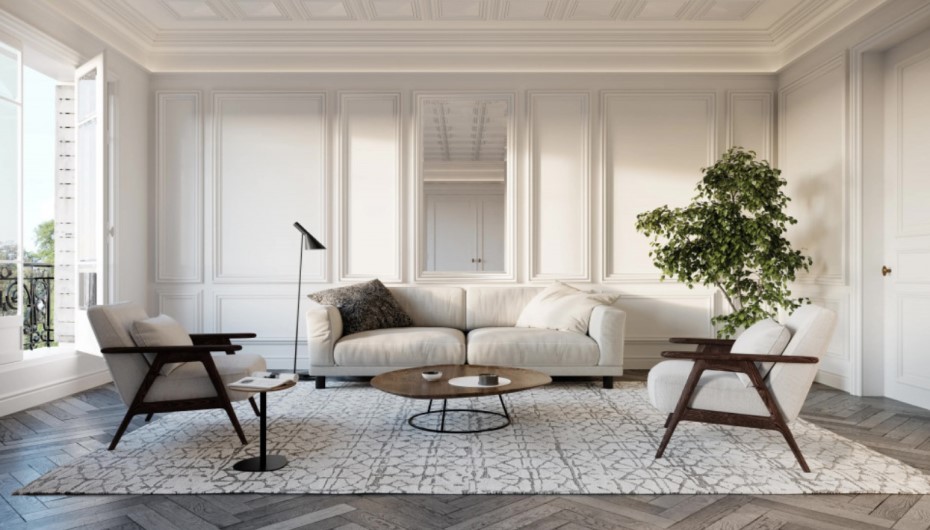
To dive into certain design concepts, it is best to first understand why wall panelling is so popular in living rooms these days. The primary benefits are:
- Adds character and depth. Panelling transforms plain walls into stunning focal points. The shadows, lines, and textures bring a sense of architectural beauty that paint or wallpaper cannot achieve.
- Increases property value. Well-designed panelling adds a premium feel to your home. Many buyers see it as a sign of quality craftsmanship, which can boost resale value.
- Hides wall imperfections. If your walls have cracks, dents, or uneven surfaces, panelling covers them up beautifully without the need for expensive plastering.
- Improves insulation and acoustics. Materials like wood and fabric panels help reduce noise and keep the room warmer in winter.
- Offers endless design options. From modern slats to classic wainscoting, panelling fits every style, budget, and room size.
Taking these advantages into consideration, let’s take a look at some of the most widely used wall panelling concepts in living rooms nowadays.
However, the team of styleofhome.com will cover here trendy 15 wall panelling ideas for living room.
15 Best Wall Panelling Ideas for Living Room
1. Vertical Wood Slat Panelling
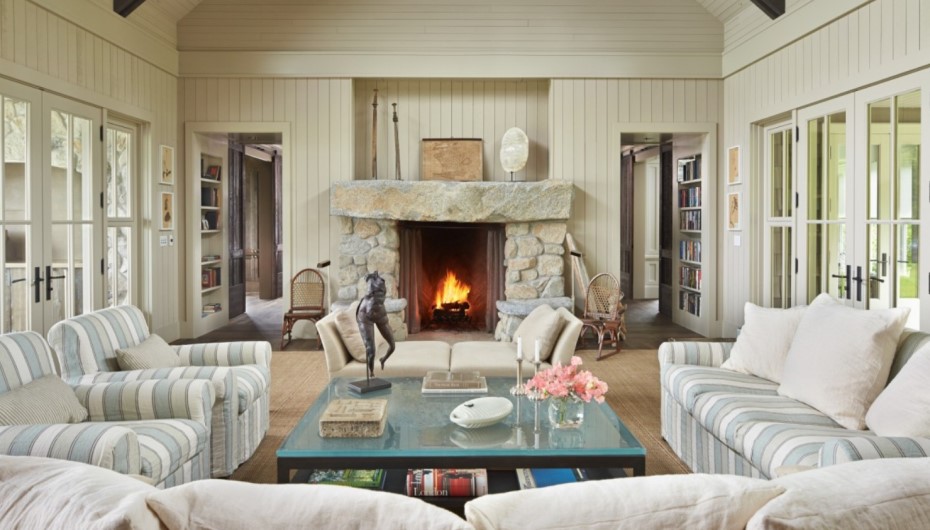
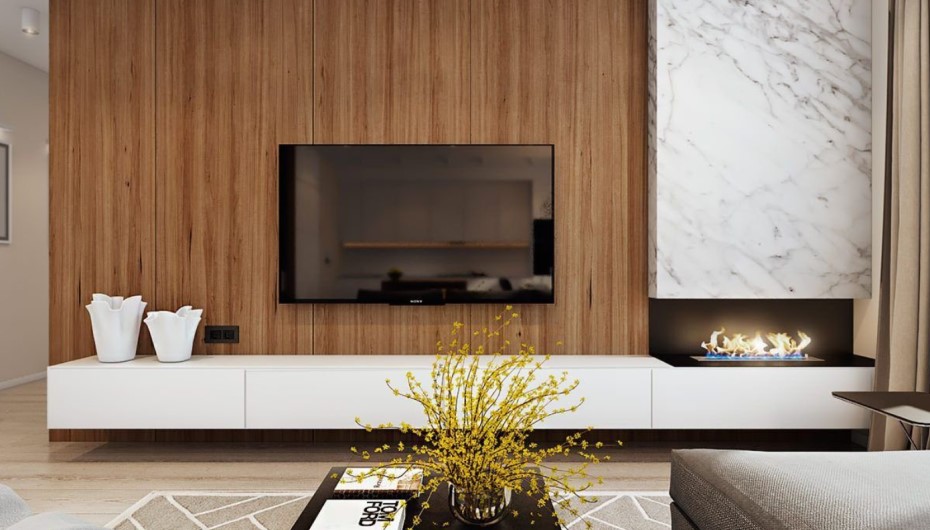
Vertical wood slat panelling is one of the hottest, latest tendencies and is highly popular. It is made up of long, narrow wooden strips that are fit tightly together with small gaps between them. Vertical lines will automatically make your ceiling height seem higher and your area bigger.
This style is perfect for modern, Scandinavian, and Japandi home decor. It is also a great addition to a wall-mounted TV, where it can help conceal wires and provide a neat and streamlined appearance. Acoustic slat panels are also available, with a felt backing to absorb sound and minimise echo in open-plan living rooms.
2. Classic Wainscoting
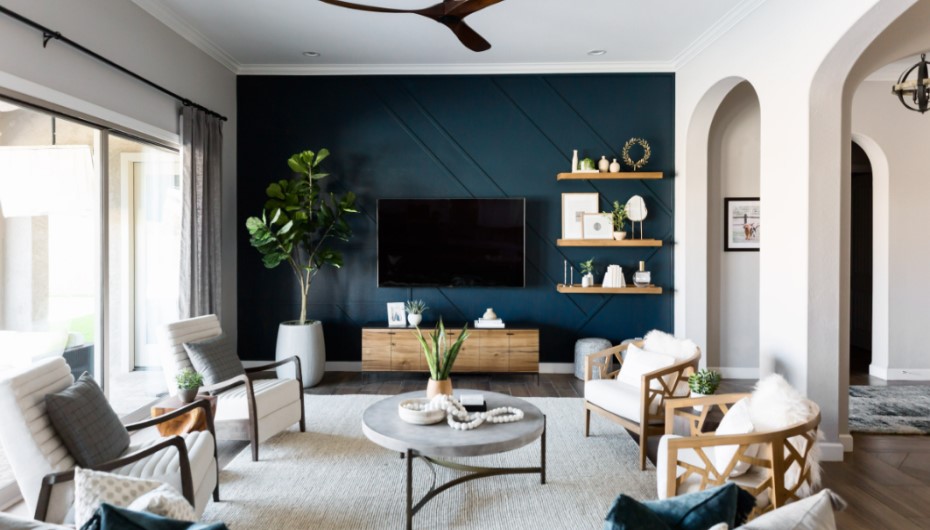
Wainscoting is one of the most classic and traditional styles of wall panelling used in homes over the years. It is generally installed on the bottom half of the wall, typically up to chair rail height, and is characterized by either raised or flat panels, framed by trim. Wallpaper or a different colour is sometimes used on the top half of the wall.
In traditional and transitional living rooms, wainscoting adds a touch of elegance and refinement. It is especially effective in homes that have high ceilings and provides a formal appeal. It’s typically painted in the traditional shade of white or light cream to give a clean and inviting feel.
3. Shaker-Style Panelling
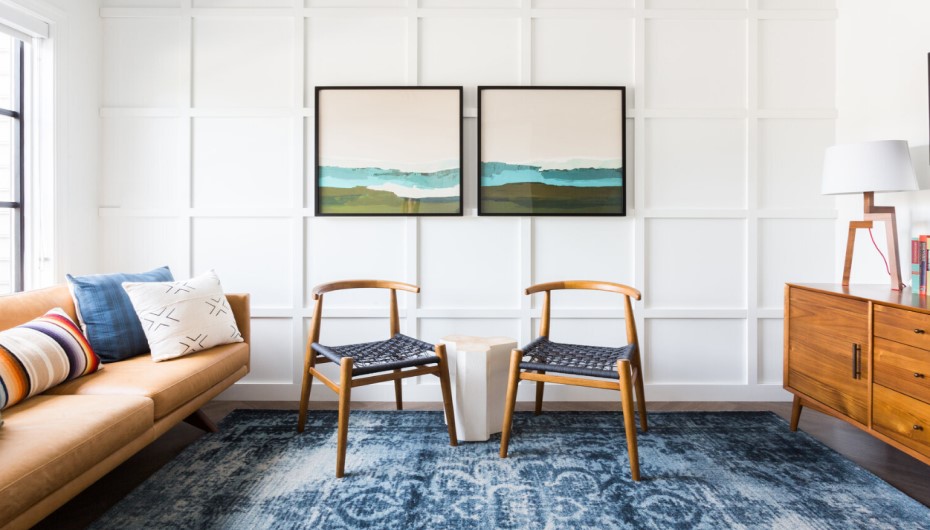
The clean lines and simple structure of Shaker-style panelling are cherished for their harmonious proportions. Its design consists of flat panels that are mounted in a simple frame to form a clean grid pattern all over the wall. Overall, the design is classic and contemporary, making it a versatile choice for any living room.
Shaker panelling is compatible with modern furniture, as well as traditional furniture. It’s incredible in creamy, ivory, taupe or light grey tones, but can also be a show-stopper in dark hues like navy, forest green or charcoal black.
4. Board & Batten Panelling
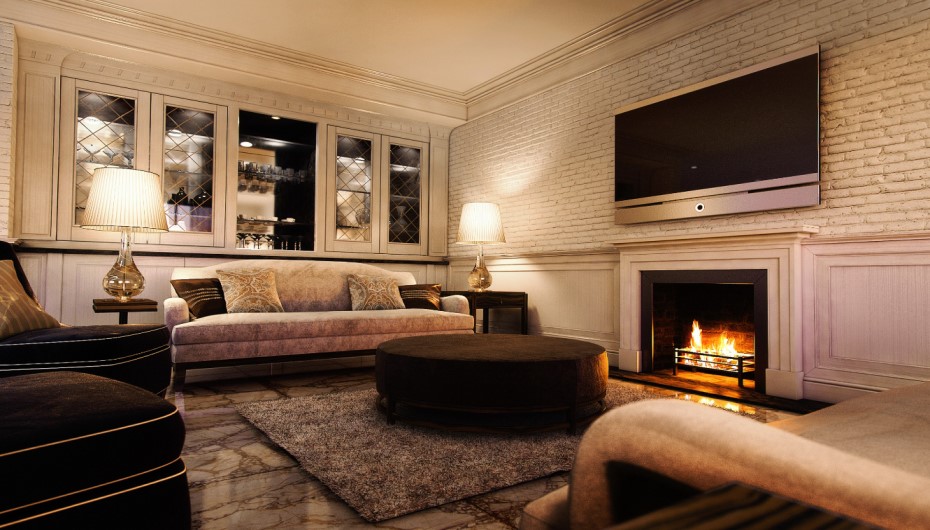
Board and batten is a pretty look in which the wide flat boards are buttressed with thin vertical strips called battens that are overlaid on joints. The outcome is a clean and structured wall pattern, which provides visual motion and texture without being overwhelming.
This style is particularly popular in farmhouse, cottage and coastal living rooms. Can be installed as half-wall panelling or even all the way to the ceiling for an even more dramatic look. It can be painted in a soft white for a fresh, airy look, or in a darker colour such as black or olive for a moody and modern touch.
5. Shiplap Panelling
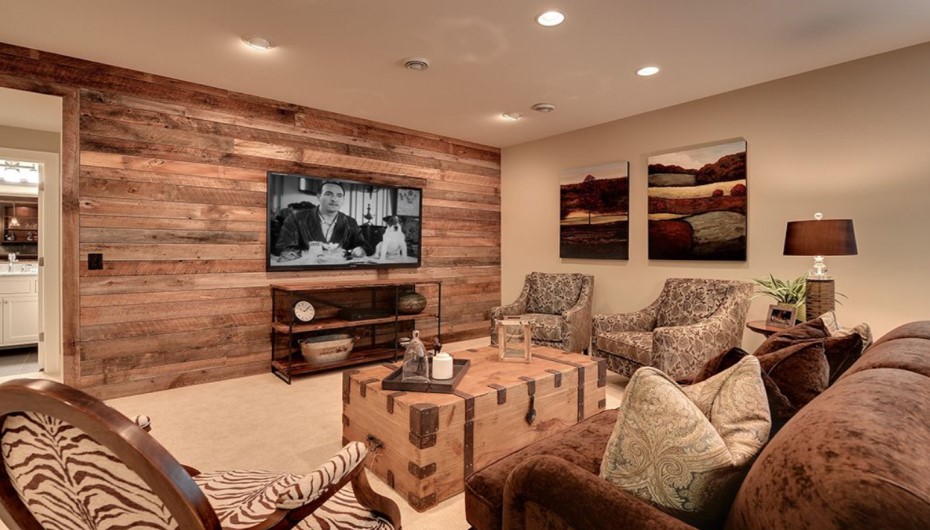
Another popular choice for homeowners who prefer a casual and relaxed look is Shiplap. Constructed from horizontal wooden boards set in small gaps between each plank, for a clean linear pattern. While most commonly seen in farmhouse and coastal interior design, shiplap looks great in contemporary homes as well when painted in a fresh white or soft grey.
This style of panelling will infuse a living room with warmth and character without being overpowering. It is also one of the more simplistic panelling styles to install, making it a superb option for first-time renovators.
6. Beadboard Panelling
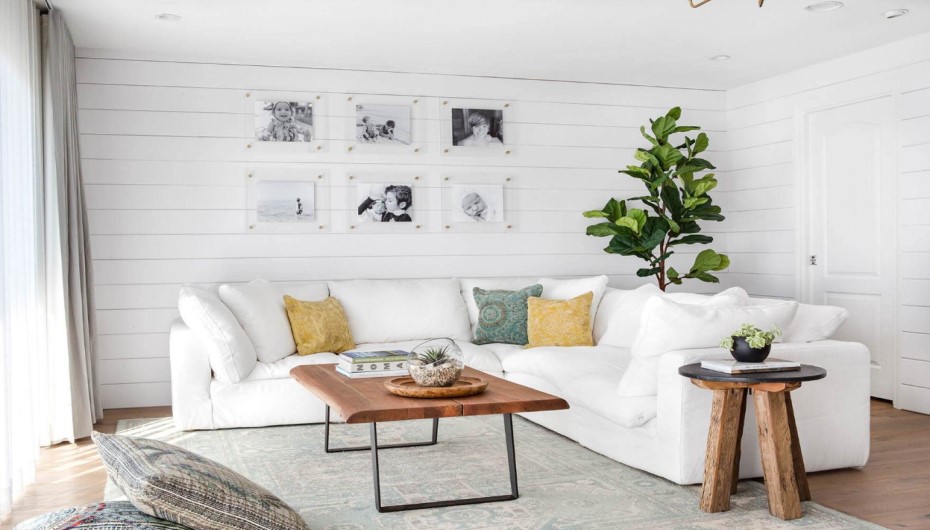
Beadboard panelling consists of thin grooved/planked verticals with small beads in between. It looks charming and informal and is perfect for cottage, farmhouse or coastal living rooms! Beadboard can be used as wainscoting (a wall hanging covering from the floor to a certain height), but it can also be installed full-height for a more layered appearance.
This look is both textured and personal, but not too much to fill up a compact area. It’s also inexpensive, making it a favourite option for budget-conscious homeowners looking to add a chic, personalized touch to their homes.
7. Fluted and Reeded Panels
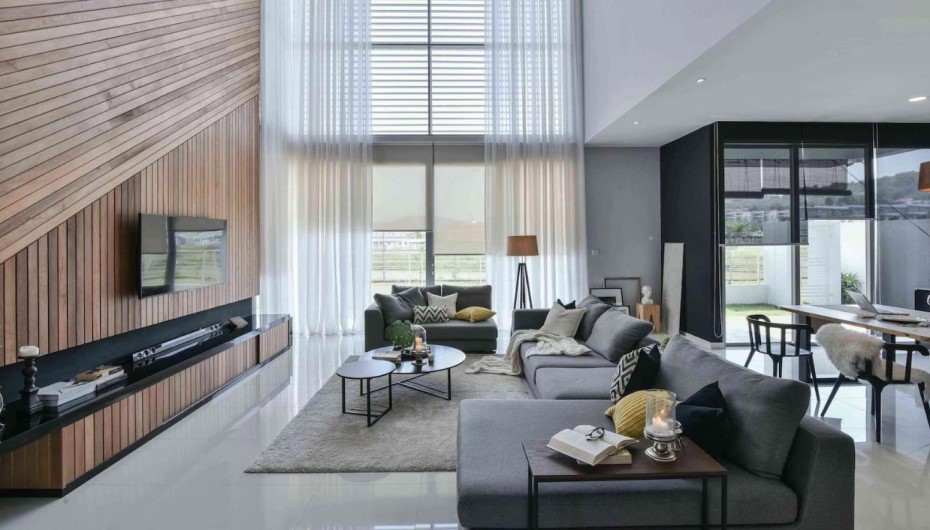
Fluted and reeded panels are three-dimensional with vertical grooves, which move beautifully with the sun throughout the day. Fluted panels have recessed (inward) grooves, while reeded panels have raised (outward) grooves. Both styles can make great additions to living room walls, providing depth and style.
This is a very trendy style for luxury interiors and modern apartments. Fluted panels are particularly beautiful in the back of a sofa, in a fireplace area or as a feature TV wall. They come in real wood, paintable MDF, or waterproof (PVC or WPC) composite materials.
8. Picture Frame Moulding
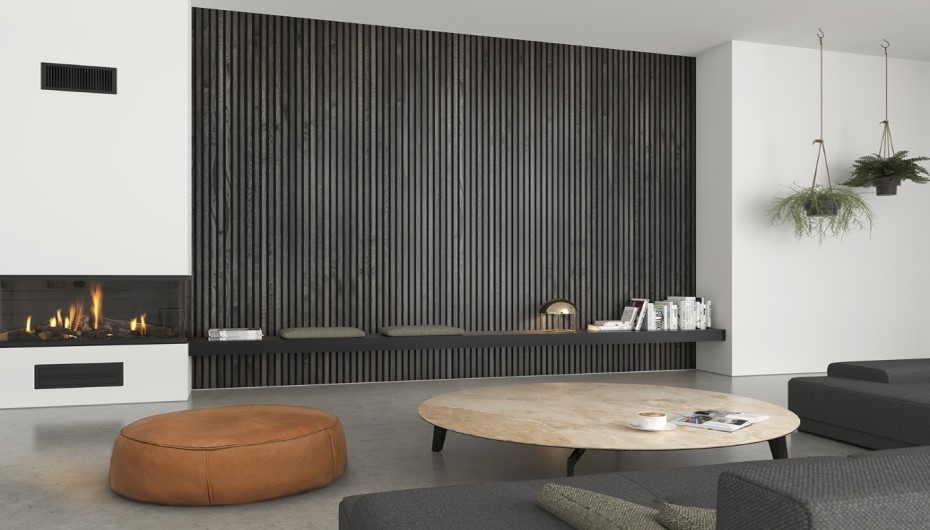
One of the most beautiful and affordable wall panelling ideas is picture frame moulding. It’s the process of installing thin trim pieces on the wall to form rectangular frames. The frames can be set up in rows in a symmetrical pattern or in artistic formats, depending on the size of the room.
This style gives any living room instant sophistication and is reminiscent of grand European homes. It is perfect for formal and informal areas and is very easy to make yourself. Mix it with traditional furniture and subtle lighting for an elegant look, or with contemporary decor for a bold contrast.
9. 3D Geometric Panels
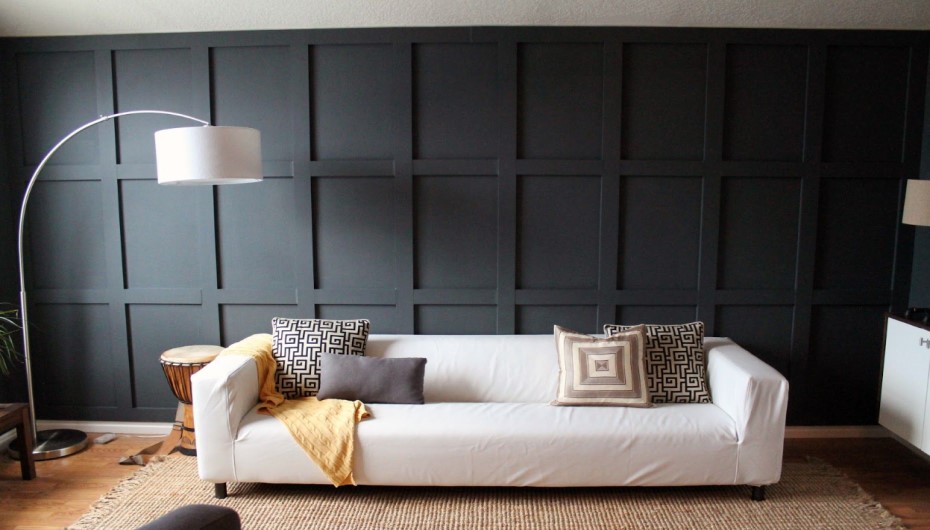
3D geometric panels are great options for individuals who want to go all out when it comes to art. They are no longer just rectangular and are now shaped like waves, hexagons, diamonds and abstract patterns. They transform a plain wall into a sculptural work of art.
Typically, 3D panels are either PVC or carved MDF, and can be painted in any colour. These are super as a single feature wall behind the sofa or TV – just add some lighting and play with the textures and shadows to make them look great.
10. Upholstered Fabric Panels
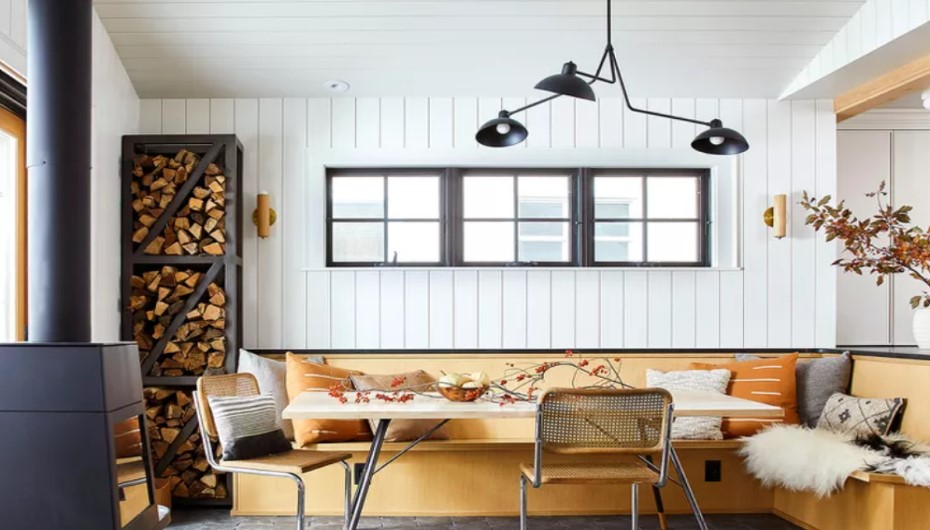
Wall panels upholstered create a soft, luxurious touch in living rooms. These panels are made by wrapping fabric around a padded frame, creating a plush and cushioned surface. They come in a wide range of fabrics from velvet, linen, suede and leather, and can be tufted or stitched in various patterns.
In addition to their beautiful looks, upholstered panels also have the ability to absorb sound, which is perfect for media rooms and open-plan living areas. Neutral colours give a relaxing atmosphere, and dark shades such as emerald, navy, burgundy, etc., lend a hotel-like atmosphere.
11. Mirror Panels
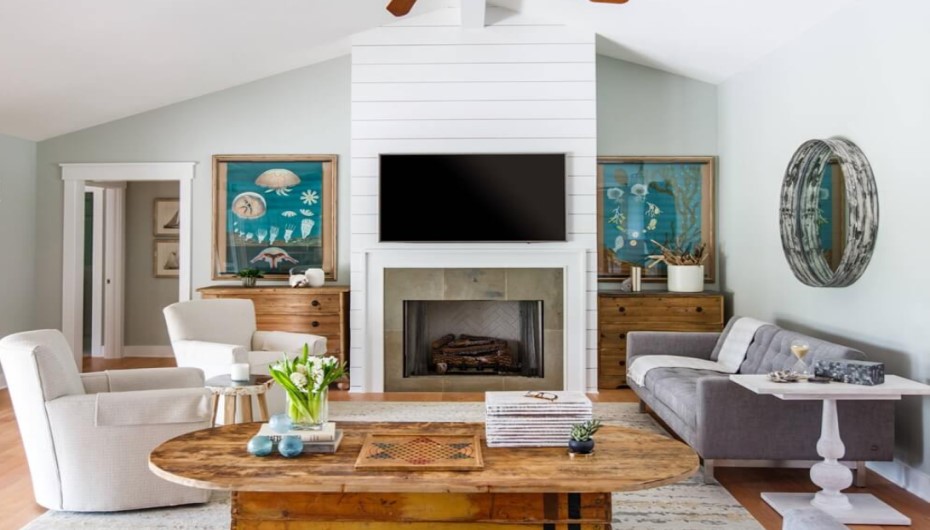
One of the top underrated wall panelling ideas is mirror panels. They provide reflection of light, they make any living room appear greater, and they provide instant glamour. They can be particularly useful in small rooms or those that do not receive a lot of natural light, such as living rooms.
Mirror panels are available in a complete feature wall or as decorative inserts on a framed panel. Clear panels provide a clean, modern appearance, while antique or smoked mirror finishes are opulent vintage touches. They work best when hung on the wall that faces a window, to take full advantage of the light and reflection.
12. Stone and Brick Panelling
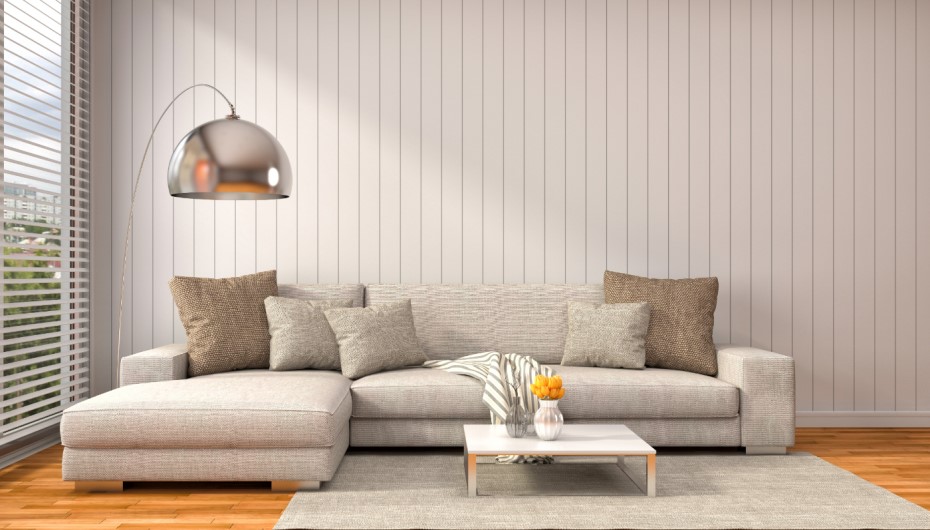
Stone and Brick Wall Panelling are the best choices for rustic, industrial or country interior decorations. The panels can be installed similarly to natural stone or exposed brick, but are much lighter and easier to install. These are offered in several finishes such as limestone, slate, travertine and red or whitewashed brick.
Stone and Brick Panels can be used for accent walls and fireplace surrounds. Combining warmth and groundedness in the living room, they look great with leather furniture, wooden beams and ambient lighting.
13. Coffered Wall Panelling
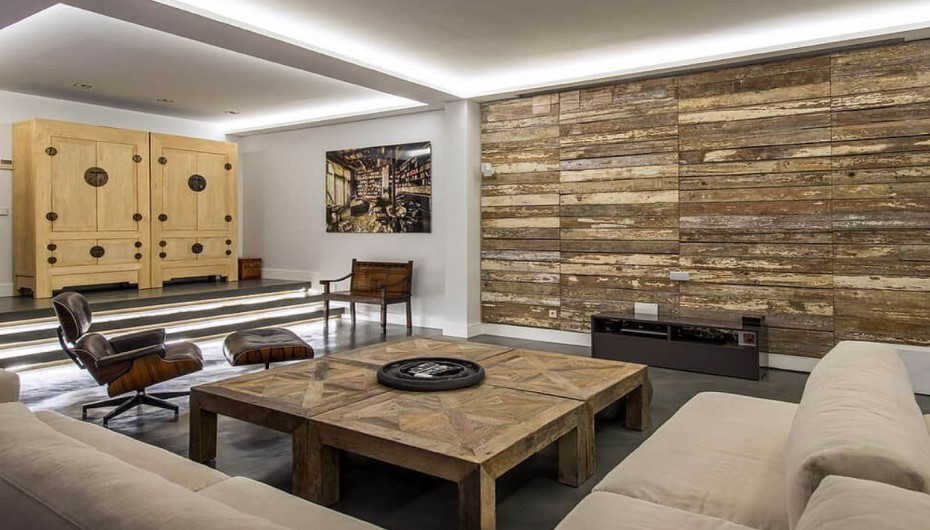
Coffered panelling is a rich style that has been traditionally applied to ceilings, but it is now gaining popularity on walls. It has recessed panels with raised beams forming a dramatic 3D pattern. Coffered panelling adds an estate home feel to your living room when fitted to the ceiling and down the shiplap wall.
This type of design is ideal for larger living rooms with high ceilings, as it can be fully appreciated in such environments. It enhances elegance, adds depth, and creates a sense of architectural grandeur when applied with a soft neutral colour palette or when contrasting with darker hues.
14. Two-Tone Painted Panelling
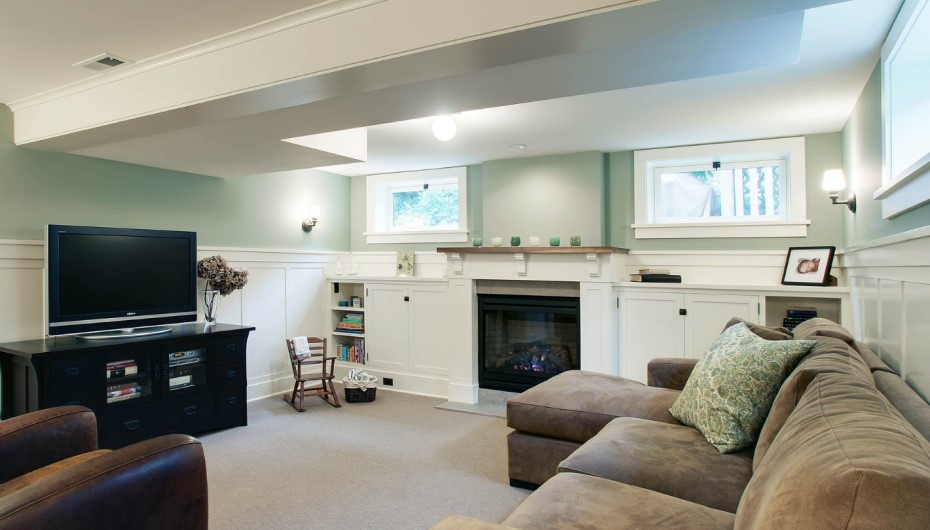
A two-tone panelling pattern idea is an ingenious way to bring interest to a living room without overloading it. The bottom part of the wall has panelling and is painted in one colour, and the top part of the wall is painted in another colour. The differences between the two sections will immediately attract attention and add a touch of design to the room.
For instance, a dark green bottom panel coupled with a quiet cream top wall produces a relaxing yet stylish space. Or a charcoal grey bottom, with an off-white top, creates a modern, gallery feel. The secret is to select colours that will match your furniture and general design.
15. Floor-to-Ceiling Statement Panelling
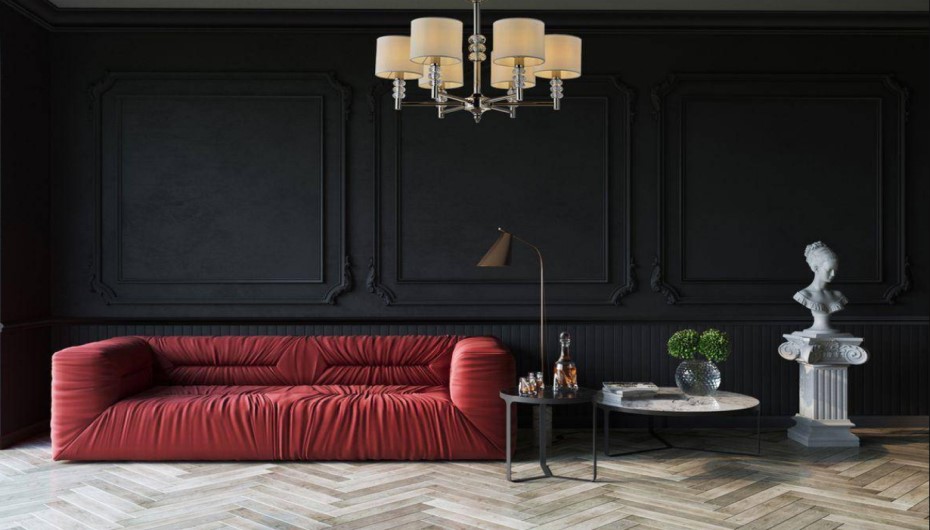
If you’re a homeowner who prefers to make a statement, then floor-to-ceiling panelling is the best way to do it. This style goes from the floor to the ceiling, presenting a whole immersive look. It complements particularly well behind a sofa, fireplace or feature wall.
Ceilings can appear taller if the panelling is installed vertically, and rooms can seem to be wider if the panelling is installed horizontally. Opt for lighter hues to create a more open and spacious look, or experiment with darker wood colours to achieve a cozy and inviting atmosphere. In any event, floor-to-ceiling panelling delivers a luxurious or personalized look to any living room.
Popular Materials for Living Room Wall Panelling
The type of material used will greatly impact the appearance, longevity and price of your wall panelling. These are the most popular choices to consider:
Solid Wood: Solid wood panels provide unsurpassed warmth, natural beauty and durability. The wall is made from individual pieces that each have their own grain, creating a unique character. Some of the most popular varieties are oak, walnut, pine and cedar. Solid wood is the high-quality option, but likely the highest-priced option.
MDF (Medium Density Fibreboard): MDF is one of the most popular materials for modern panelling. Easy to paint, affordable, smooth and perfect for creating intricate patterns. MDF moulding is popular for Shaker, board and batten and picture frame designs.
Material PVC and WPC Panels: PVC (Polyvinyl Chloride) and WPC (Wood Plastic Composite) panels are durable, lightweight and waterproof. They are frequently pre-treated with wood grain or stone effect finishes, require less maintenance and are easy to install. These are ideal for climates like the UAE, where it’s humid.
Laminate Panels: Laminate panels are both budget-friendly and stylish. They are available in various colours, finishes, and textures, such as high gloss, matte, wood-effect, and metallic. Laminates are not only simple to clean and scratch-resistant, but they also provide a wide variety of options.
Fabric and Upholstered Panels: Fabric panels are ideal for softness, luxury and acoustics. There are so many materials and patterns from which they can be built, and they can be designed to suit any decoration.
Veneer Panels: Veneer panels are a thin layer of real wood that is attached to a base material like MDF wood. They are cheaper than solid wood and look like it.
Stone and Brick-Effect Panels: These panels are typically made from polyurethane or composite materials. They mimic the look of natural stone or brick without the heavy weight or high cost.
How to Select the Right Wall Panelling for Your Living Room
There are several factors to consider when selecting a panelling. Here are some easy questions to ask yourself:
- Consider your interior style. Modern homes look great with fluted, slat, or 3D panels. Traditional homes suit wainscoting or coffered designs. Cottage and farmhouse homes pair beautifully with shiplap or beadboard.
- Think about the room size. Vertical panels make ceilings feel taller, while horizontal panels can make small rooms feel wider. Light colours open up the space, while dark tones create a cosy mood.
- Match the panelling to your furniture. A bold panelled wall pairs best with simple furniture, while subtle panelling works well with statement pieces.
- Decide between full-wall or feature-wall panelling. Full-wall panelling creates a luxurious, immersive feel, while a single feature wall is a budget-friendly way to make an impact.
- Set your budget. Solid wood and custom designs cost more, while MDF and PVC offer affordable alternatives without sacrificing style.
Wall Panelling Living Room Costs
Wall panelling can be expensive or affordable, depending on the material you choose, the intricacy of the design, and whether you decide to do it yourself or hire a professional. On average, homeowners can expect the following:
- MDF panels: $1.50 – $3 per square foot for materials.
- PVC panels: $2-$5 per sq.ft. for materials.
- Solid wood panels vary in cost from $5 to $15 per square foot and higher, depending on the wood type.
- Fluted or 3D panels: $10 – $40 per sq ft.
- Professional installation: Additional cost of $2 to $6 per square foot, depending on complexity.
The cost of a full project can range from $1,000 to $10,000 or more, depending on the size of the room and the complexity of the project, whether it’s a simple MDF or a custom solid wood installation. Include 10 to 15 per cent extra in your budget for trim and finishes and any unforeseen costs.
Tips on Installation and Maintenance
While wall panelling is an investment that lasts a long time, it must be installed and cared for properly to ensure it looks its best. Here are a few tips to help you:
- Properly prepare walls. Before installation, the wall surface needs to be cleaned, any damage needs to be repaired, and the wall surface needs to be smooth and dry.
- Measure carefully. Consider the arrangement of your panel ahead of time to ensure an even layout and minimize material waste.
- Hire a professional for complex designs. While simple panels can be installed as a DIY project, intricate designs such as coffered or fluted patterns are best left to experts.
- Use quality adhesives and fasteners. Strong, long-lasting glue or finishing nails will keep your panels secure for years.
- Clean panels regularly. Clean wood and MDF panels using a clean soft cloth. Mild soapy water can be used for cleaning PVC and laminate panels. Do not use severe chemicals, which could strip the finish.
- Refresh paint when needed. Painted panels may need touch-ups every few years to maintain their fresh look.
Conclusion
Wall panelling is one of the strongest methods to change a living room. From sleek wood slats to classic wainscoting to eye-catching 3D geometric panels, your choice can make all the difference in your space’s appearance and ambience. There are a variety of materials, styles and price ranges so that there is a wall panelling idea to suit each taste and budget.
When upgrading a living room, make sure to brainstorm options and select a style that is in keeping with your home. A panelled wall is more than a decoration. It is an investment that will last for years, creating beauty, comfort and value in your home.
Frequently Asked Questions
Is wall panelling still in style in 2026?
Answer
Yes. Wall panelling continues to be one of the top interior design trends of 2026. Popular styles include modern designs like fluted panels, vertical wood slats, and 3D geometric designs, and timeless favourites include wainscoting and Shaker panelling.
Can wall panelling make a small living room look bigger?
Answer
Yes, if it is used correctly. Vertical panels will pull the eye up, making ceilings look higher. Mirror panels can visually enlarge the space, and light-coloured panelling will reflect more light, opening the space.
How long does wall panelling last?
Answer
The lifespan of quality wall panelling ranges anywhere from 10-25 years, and beyond, based on the material and maintenance. Solid wood is usually the most durable, with MDF and PVC also providing very good durability if installed correctly.
Can I install wall panelling myself?
Answer
Yes, simple panelling styles like shiplap, peel and stick panelling and simple picture frame moulding are popular DIY projects. More intricate designs, such as coffered or fluted panelling, however, are best left to the hands of professionals who will offer a perfect finish.
Does wall panelling add value to a home?
Answer
Yes. Well done, tasteful panelling, which many buyers enjoy, can be added to the architecture. It can help increase the resale value if the design complements the overall style of the house.
What is the most affordable wall panelling option?
Answer
MDF panel and PVC panel are the cheapest ones. They are simple to put up, come in a variety of designs and have a chic appearance that would be prohibitively expensive if using solid wood.
Read More: